

When a patient arrives in the emergency room with severe sepsis, a traumatic injury, or signs of a myocardial infarction, medical teams prioritize stabilizing vital functions and addressing the immediate threat to life. Yet beneath the urgency of these acute scenarios lies a hidden complication that can worsen outcomes and prolong recovery: stress-induced hyperglycemia. Even in patients without a history of diabetes, the body’s extreme physiological response to trauma, infection, or surgical stress can trigger dangerous spikes in blood glucose levels. This is why having a reliable glucometer at the bedside isn’t just a convenience—it’s a critical tool for detecting and managing this silent threat before it escalates.
The link between acute stress and hyperglycemia begins in the body’s “fight-or-flight” response. When faced with a life-threatening event, the adrenal glands flood the bloodstream with cortisol, epinephrine, and other stress hormones. These hormones counteract the effects of insulin, the hormone that normally regulates glucose uptake by cells, while also stimulating the liver to release stored glucose into the bloodstream. The result is a rapid rise in blood glucose, designed to provide the body with a burst of energy to cope with the crisis. In healthy individuals, this response is temporary, and blood glucose levels return to normal once the stress subsides. But in patients with compromised insulin sensitivity—whether due to pre-existing diabetes, advanced age, or chronic illness—this metabolic disruption can become persistent, leading to complications like impaired wound healing, increased risk of infection, and even organ damage. For example, studies show that patients with stress-induced hyperglycemia after surgery have a 2-3 times higher risk of developing surgical site infections compared to those with normal blood glucose levels.
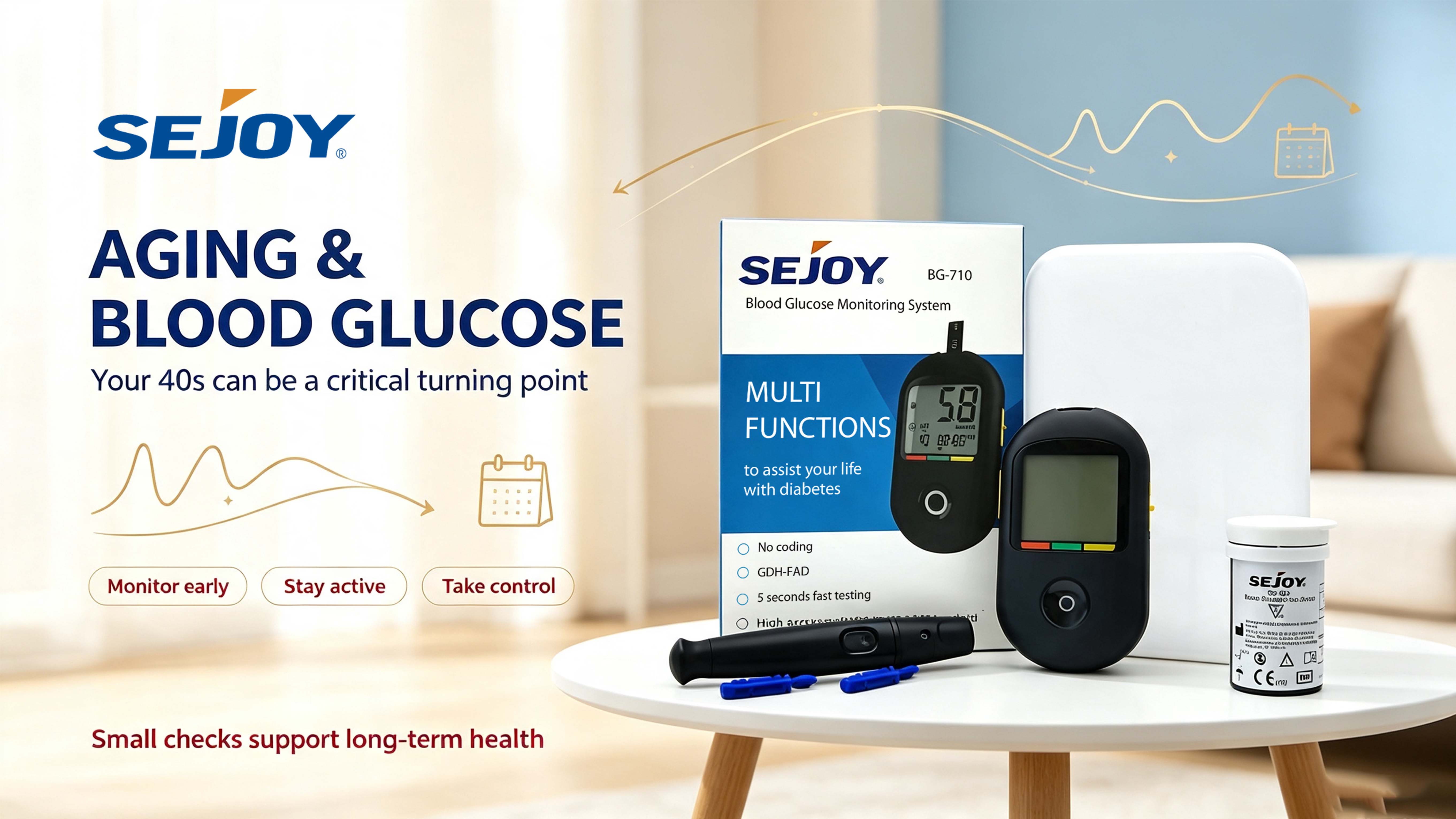
In these high-stakes situations, continuous glucose monitoring is essential, but a portable blood glucose analyzer remains the most accessible and cost-effective tool for routine testing. Unlike continuous monitors, which provide real-time data but require specialized equipment and calibration, a glucometer can be used by nurses, paramedics, and even patients themselves to quickly check blood glucose levels at the bedside. This allows medical teams to adjust insulin dosages or other treatments promptly, preventing hyperglycemia from spiraling out of control. For instance, in the case of a patient with acute myocardial infarction, maintaining blood glucose levels within a target range (typically 140-180 mg/dL) has been shown to reduce the risk of further heart damage and improve long-term survival rates. Similarly, in patients with severe sepsis, tight glucose control can help preserve kidney function and reduce the need for dialysis.
Perhaps the most compelling argument for prioritizing glucose monitoring during acute stress is its impact on patient-centered care. When patients are in critical condition, they often feel powerless and anxious about their health. Involving them in their own care—by teaching them to use a glucometer to track their blood glucose levels—can help restore a sense of control and improve their overall well-being. It also empowers patients to take an active role in their recovery after they leave the hospital, reducing the risk of readmission and improving long-term health outcomes. For example, a patient who undergoes emergency surgery for a traumatic injury may be more likely to follow their post-operative care plan if they understand how stress affects their blood glucose and how to use a glucometer to monitor it at home.
In conclusion, acute stress-induced hyperglycemia is a common yet underrecognized complication in patients with severe infections, trauma, surgery, or myocardial infarction. By understanding the physiological mechanisms behind this condition and prioritizing regular glucose monitoring with a reliable glucometer, medical teams can improve patient outcomes, reduce complications, and enhance the overall quality of care. In the fast-paced world of emergency medicine and critical care, it’s easy to overlook the importance of metabolic monitoring. But as the saying goes, “the devil is in the details”—and in this case, those details could mean the difference between a full recovery and a long, difficult road to health. So the next time you’re caring for a patient in acute distress, remember to check their blood glucose. It might just be the most important test you perform that day.
Post time: Oct-30-2026