

Chronic kidney disease (CKD), a progressive condition affecting 10% of the global population, brings far more than just impaired renal filtration. One of its most prevalent and impactful complications is anemia, driven by the disrupted relationship between kidney function and hemoglobin regulation. For CKD patients, maintaining optimal hemoglobin levels is not just a secondary concern—it directly correlates with quality of life, disease progression, and long-term survival. Understanding this interconnected dynamic is critical for both clinicians and patients to minimize avoidable health risks.
Healthy kidneys produce erythropoietin (EPO), a hormone that signals bone marrow to generate red blood cells, which in turn carry hemoglobin to transport oxygen across the body. As CKD advances, renal tubular damage reduces EPO synthesis, leaving the bone marrow without sufficient stimulation to produce enough red blood cells. Compounding this issue, uremic toxins accumulated in the bloodstream due to impaired excretion shorten red blood cell lifespan, while frequent blood testing, blood loss during dialysis, and nutritional deficiencies (especially of iron and folate) further deplete hemoglobin stores. Unlike nutritional anemia that develops abruptly, CKD-related anemia progresses gradually, with symptoms like persistent fatigue, shortness of breath, and brain fog often mistaken for normal signs of aging or general CKD weakness. Many patients only realize the severity of their hemoglobin deficit when the condition begins to strain other organs. hemoglobin machine
Sustained low hemoglobin levels create a vicious cycle that accelerates CKD progression. When hemoglobin drops below 100 g/L, systemic hypoxia forces the heart to pump faster to compensate for reduced oxygen delivery, increasing cardiac output and raising the risk of left ventricular hypertrophy, heart failure, and cardiovascular events—the leading cause of death in CKD patients. Renal tissue itself is also highly sensitive to oxygen deprivation: persistent hypoxia in the kidneys further damages residual nephrons, worsening renal function and creating a feedback loop that drives EPO production even lower. For patients on dialysis, low hemoglobin is associated with more frequent hospitalizations, poorer response to treatment, and up to 2 times higher mortality risk compared to peers with well-managed hemoglobin levels. Even in early-stage CKD, a gradual decline in hemoglobin has been linked to a 30% higher risk of progressing to end-stage renal disease (ESRD) within five years.
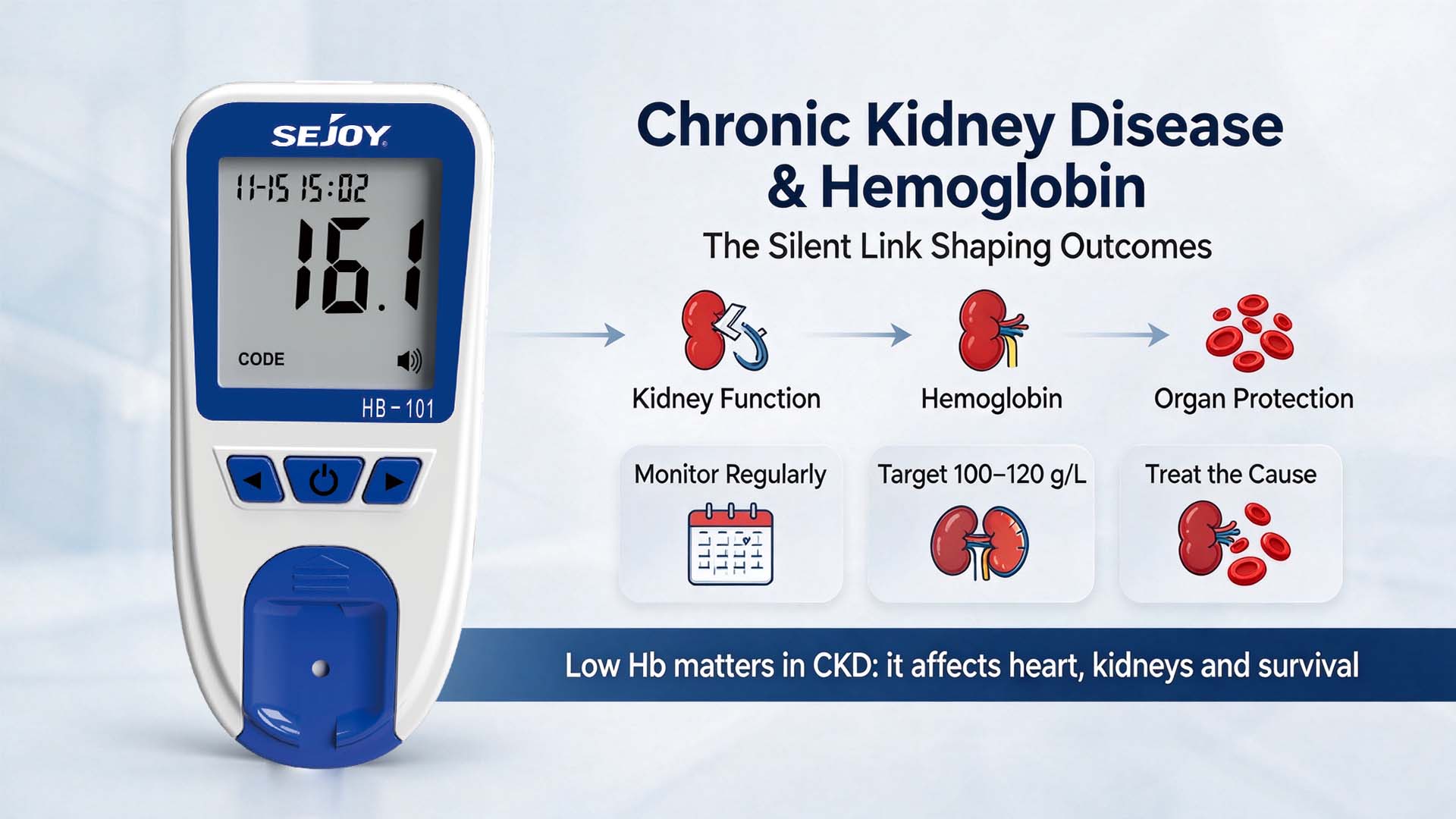
Regular hemoglobin level monitoring is the cornerstone of CKD management, with clinical guidelines recommending quarterly testing for all patients with stage 3 CKD and above, and monthly testing for those on dialysis. Early detection of hemoglobin decline allows for timely intervention before hypoxia-induced organ damage occurs. When test results indicate levels below the target range of 100–120 g/L, first-line interventions typically include intravenous iron supplementation to address underlying iron deficiency, combined with erythropoiesis-stimulating agents (ESAs) to support red blood cell production. Close monitoring through regular testing is critical during treatment to avoid raising levels above 120 g/L, which is associated with an elevated risk of thromboembolic events, stroke, and hypertension. For patients who do not respond adequately to ESAs, recent advances in hypoxia-inducible factor prolyl hydroxylase inhibitors (HIF-PHIs) offer an alternative oral treatment option that can effectively raise hemoglobin levels with fewer adverse effects in many cases.
Beyond medical interventions, integrated patient care plays a key role in maintaining hemoglobin stability in CKD. Nutritional counseling helps patients balance adequate iron and protein intake with the dietary restrictions required for renal health, avoiding the common pitfall of over-restricting nutrient-dense foods like red meat out of concern for potassium or phosphorus levels. For dialysis patients, optimizing dialysis adequacy to reduce uremic toxin load can also improve red blood cell survival and hemoglobin response to treatment. Patient education is equally important: teaching individuals to recognize early signs of anemia, such as worsening fatigue or reduced exercise tolerance, can prompt earlier testing and intervention before complications develop. portable hemoglobin analyzer
In conclusion, the link between chronic kidney disease and hemoglobin is a fundamental determinant of patient prognosis that deserves far more attention than it often receives. With regular monitoring, personalized treatment, and proactive management, clinicians can help CKD patients maintain hemoglobin within the optimal range, reducing cardiovascular risk, slowing disease progression, and significantly improving long-term quality of life. For the millions living with CKD, prioritizing hemoglobin monitoring and management is not just a clinical detail—it is a core component of protecting both renal and overall health.
Post time: Nov-26-2026