

When nurses collect blood samples in hospital wards, a frequent plea from patients is, “Please take as little blood as possible—I’m already anemic.” This request reflects a pervasive public misconception: that anemia simply means a lower total volume of blood in the body. In fact, this understanding is far from accurate. Anemia refers to a deficiency in the blood’s oxygen-carrying capacity, rather than a reduction in overall blood volume. Recognizing its true nature, symptoms, underlying causes and proper management can help patients address the condition appropriately instead of misinterpreting or ignoring it. hemoglobin test system
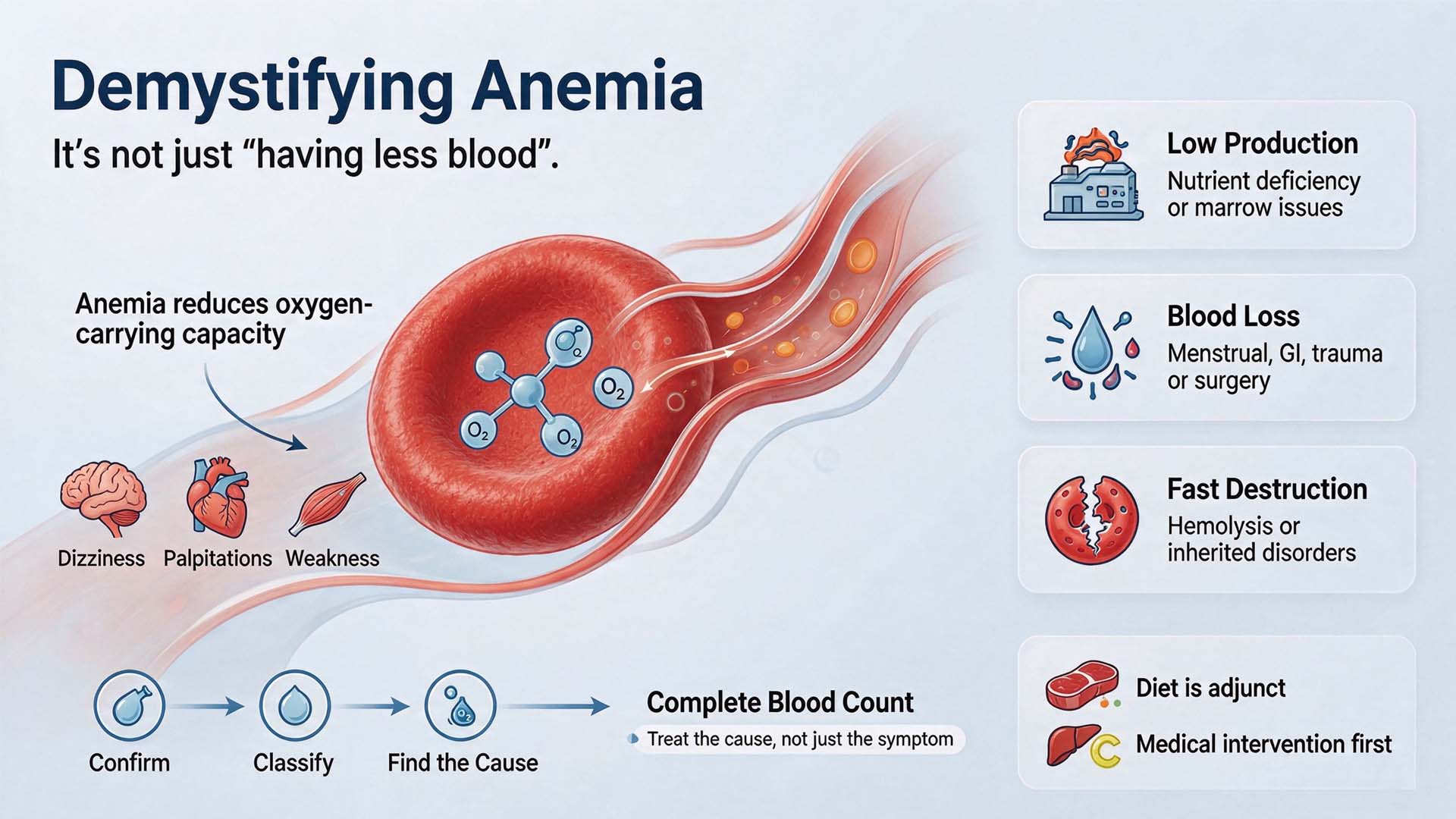
To understand anemia, we can compare red blood cells to tiny oxygen delivery trucks shuttling through the bloodstream, constantly transporting oxygen to every organ and tissue in the body. Anemia occurs when there are too few of these “trucks”, or each truck can carry less oxygen than normal. When oxygen supply fails to meet the demand of organs, a range of uncomfortable symptoms follow. Brain hypoxia causes dizziness, headaches, poor concentration, frequent drowsiness, and sudden blurry vision when standing up. Cardiac hypoxia leads to unexplained rapid heartbeat, palpitations, chest tightness, and shortness of breath even after light activities like walking a short distance. Muscle hypoxia results in generalized weakness, making simple tasks such as climbing a few stairs feel exhausting. Visible external signs include pale skin and lips, as well as persistently cold hands and feet. Notably, chronic anemia develops insidiously: discomfort worsens gradually, and many people dismiss these symptoms as just “general weakness” after getting used to the state. Even without severe distress, anemia may already be present. Self-perception is unreliable, and a complete blood count test is the gold standard for diagnosis. hemoglobin meter analyzer
Anemia can be traced to three broad categories of causes. The first is insufficient production: the hematopoietic “factory” malfunctions, due to deficiencies of iron, vitamin B12 or folate, the impact of chronic diseases, or primary bone marrow disorders that prevent red blood cell production from meeting demand. The second is excessive loss: blood is lost gradually through heavy menstrual bleeding in women, chronic gastrointestinal bleeding, trauma, or post-surgical blood loss. The third is accelerated destruction: red blood cells have a shortened lifespan and are “scrapped” prematurely, as seen in hemolysis or some inherited blood disorders. It is critical to note that anemia is a symptom, not an independent disease, so identifying the root cause is the key to effective treatment. A common myth is that all anemia requires iron supplementation: while iron deficiency anemia is the most prevalent type, anemia can also be caused by B12/folate deficiency, kidney disease, chronic inflammation, hemolysis, or thalassemia. Blindly taking iron supplements without a clear diagnosis can lead to iron overload, which damages organs such as the liver and heart. hemoglobin machine
After anemia is confirmed, the diagnostic process follows the principle of “confirm first, classify second, and identify the cause last”. Basic assessments including complete blood count, reticulocyte count and peripheral blood smear help evaluate hemoglobin levels, mean corpuscular volume, and red blood cell morphology to initially determine the severity and type of anemia. Further tests are then tailored to the subtype: iron metabolism studies for microcytic anemia, vitamin B12 and folate level tests for macrocytic anemia, and renal function, inflammatory markers and hemolysis panels for normocytic anemia. For suspected bone marrow dysfunction, bone marrow biopsy may be required, while tests for chronic bleeding include fecal occult blood testing, gynecological ultrasound and gastrointestinal endoscopy. Treatment is always targeted at the underlying cause: iron supplementation plus bleeding control for iron deficiency anemia, nutrient replacement for B12 or folate deficiency, and management of primary diseases for anemia caused by kidney disease or chronic inflammation. It is also important to correct dietary myths: red dates, brown sugar and spinach have very limited effects on improving anemia, as their iron content or bioavailability is low. The best dietary iron sources are heme iron from animal products such as red meat, animal liver and blood products, while plant-based iron should be paired with vitamin C to enhance absorption. For moderate to severe anemia, dietary adjustment is only an adjunct, and medical intervention is essential. Remember: anemia is a sign of an underlying health issue, and timely diagnosis and targeted management can prevent complications and improve quality of life.
Post time: Nov-24-2026