

When it comes to diabetes complications, most people think of heart disease, stroke, kidney failure, or vision loss. But few realize that uncontrolled blood glucose can also silently damage your ears. Recent studies show that people with diabetes are four times more likely to experience hearing loss than those without the condition, and the risk increases significantly with poor blood glucose management.
The inner ear is a delicate organ that relies on tiny blood vessels and nerves to function properly. High blood glucose levels can damage these blood vessels, causing them to narrow and harden. This reduces blood flow to the inner ear, depriving the auditory cells of oxygen and nutrients. Over time, this can lead to the death of these cells, resulting in permanent hearing loss. Additionally, high blood glucose can damage the nerves that transmit sound signals to the brain, causing tinnitus (ringing in the ears) or balance problems.
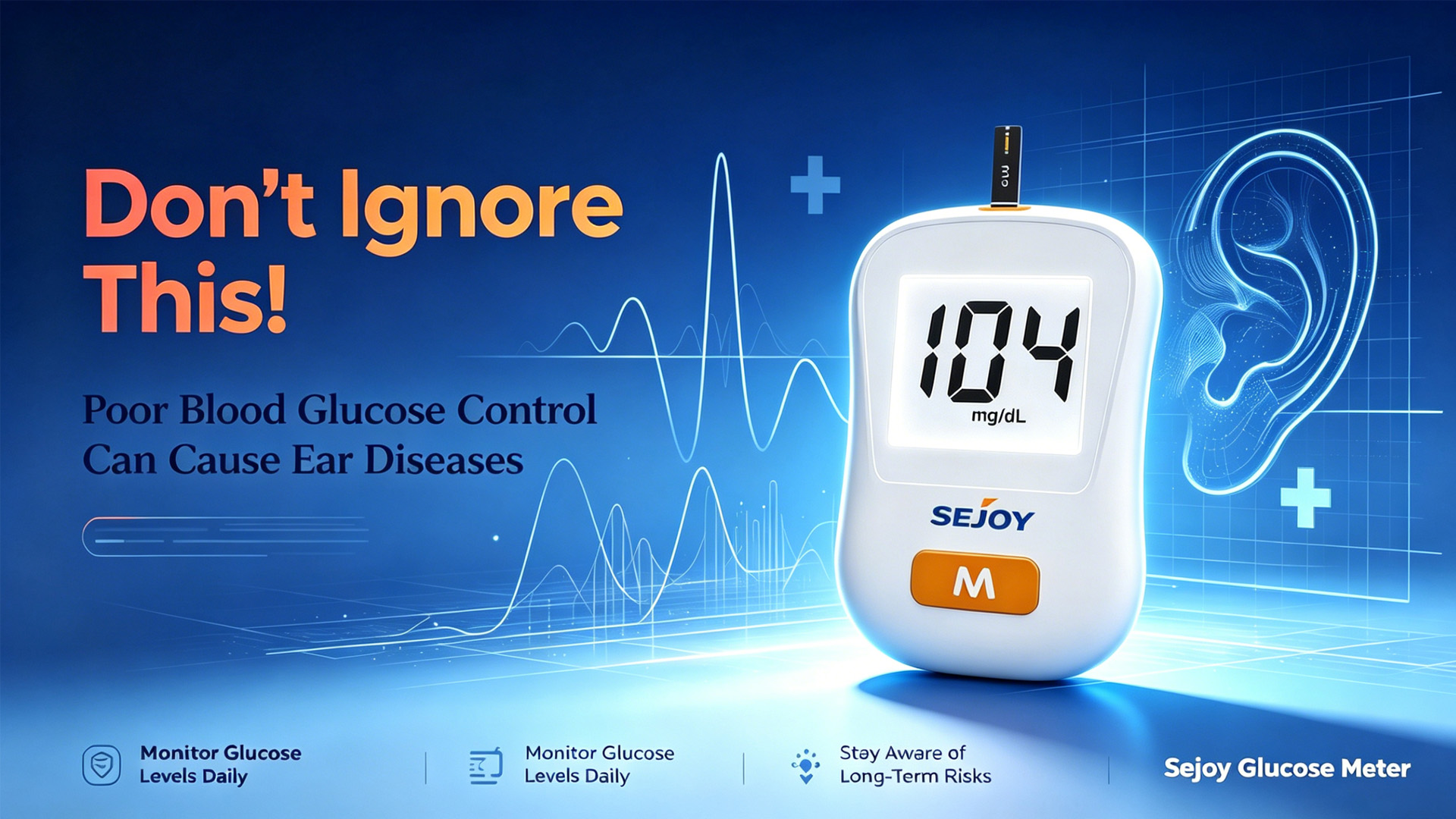
One of the most important tools in managing diabetes and preventing ear complications is a reliable digital glucose meter. Regular monitoring with a blood glucose meter allows you to track your blood glucose levels and make adjustments to your diet, exercise, and medication as needed. By keeping your blood glucose within a healthy range, you can reduce the risk of damage to the blood vessels and nerves in your ears.
It’s also important to be aware of the early signs of ear damage caused by diabetes. These may include tinnitus, hearing loss, dizziness, or a feeling of fullness in the ears. If you experience any of these symptoms, it’s important to see a doctor as soon as possible. Early intervention can help prevent further damage and may even reverse some of the effects of high blood glucose on your ears.
In addition to monitoring your blood glucose with a blood glucose meter, there are several other steps you can take to protect your ears. Eating a healthy diet that is low in glucose and saturated fat can help keep your blood glucose levels stable. Regular exercise can also improve blood circulation and reduce the risk of complications. Avoiding exposure to loud noise and wearing ear protection when necessary can also help prevent hearing loss.
If you already have diabetes, it’s important to work closely with your healthcare team to manage your condition. This may include taking medication, making lifestyle changes, and regularly monitoring your blood glucose with an electronic blood glucose meter. By taking these steps, you can reduce the risk of developing ear complications and other serious health problems associated with diabetes.
Don’t let poor blood glucose control steal your hearing. Take control of your diabetes today and protect your ears for the future.
Post time: Jul-12-2026