

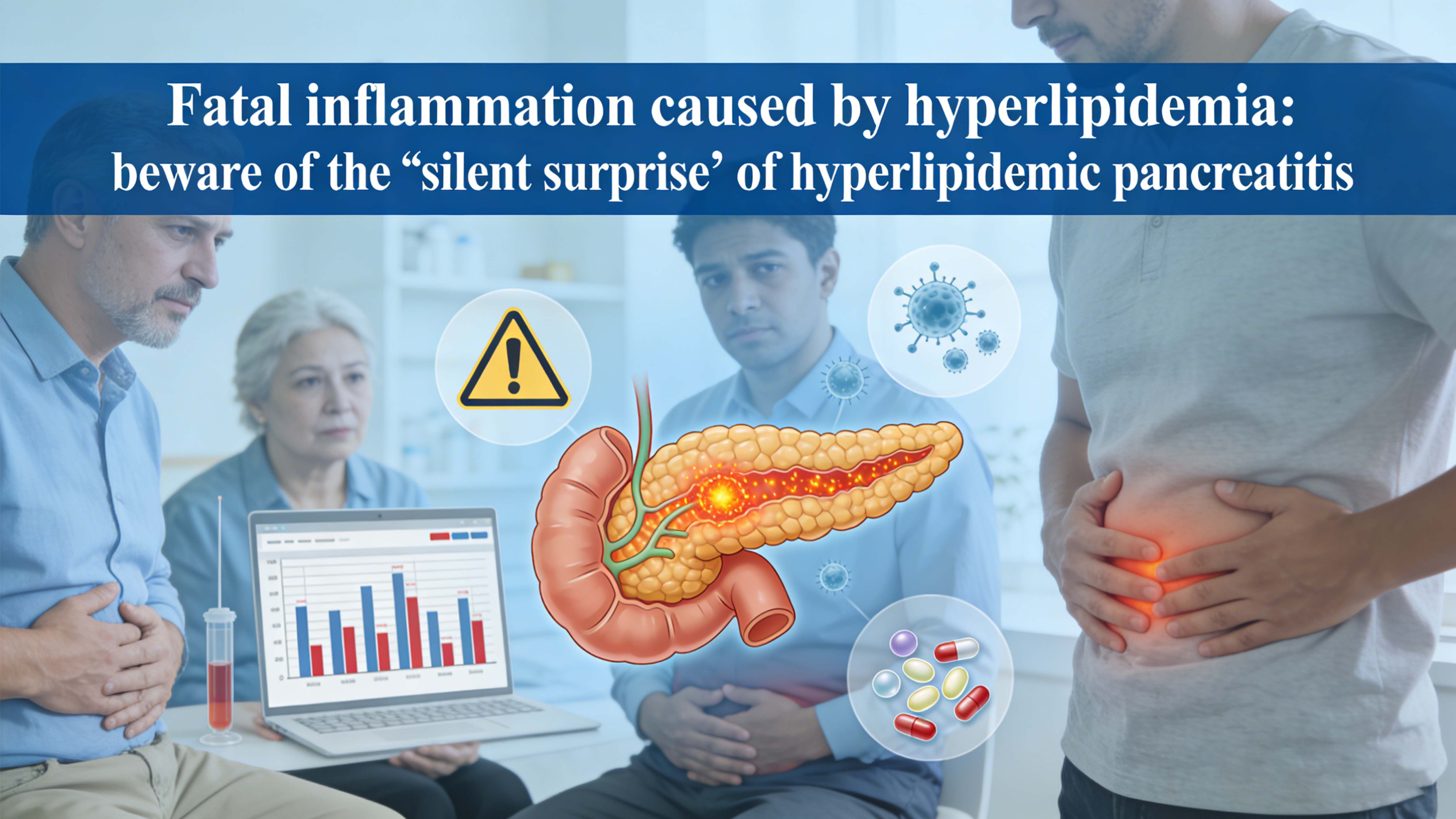
When people mention hyperlipidemia, the first reaction is often coronary heart disease, cerebral infarction and other cardiovascular diseases, but it is rarely known that it may also cause a dangerous acute abdomen – hyperlipidemic pancreatitis. The incidence of pancreatitis induced by abnormal elevation of blood triglyceride is increasing year by year with the increase of obesity and diabetes. The disease progresses rapidly, there are many complications, and the mortality of severe patients can reach more than 30%. It is like a “time bomb” hidden in the body of patients with hyperlipemia, which may be detonated at any time by a bout of overeating, alcohol abuse or mood swings.
1. a neglected “complication of affluence” : the current status of hyperlipidemic pancreatitis
Hypertriglyceridemic Pancreatitis (HTGP) is a special type of acute pancreatitis, accounting for about 10%-20% of all acute pancreatitis cases. In recent years, with the change of lifestyle, the incidence of HTGP in China has shown a significant upward trend: from 2010 to 2025, the incidence will increase from 3.8 per 100 000 to 12.6 per 100 000, of which young obese patients account for more than 60%.
Unlike biliary pancreatitis and alcoholic pancreatitis, the onset of HTGP is more insidious. Many patients have no obvious biliary disease or long-term drinking history before the onset of the disease, only the “high triglyceride” on the physical examination report, but because they are not paid attention to the hidden danger. Clinical data show that when the serum triglyceride level exceeds 11.3mmol/L, the risk of acute pancreatitis increases by more than 10 times. If it exceeds 22.6mmol/L, it will almost certainly induce pancreatitis. quick blood lipid test
2. How does triglyceride “burn” the pancreas? Uncovering the pathogenesis
The pancreas is an important digestive gland in the human body, responsible for secreting pancreatic juice to digest food. When triglyceride levels are too high in the blood, they can directly damage pancreatic tissue in three ways:
2.1 “Cytotoxicity” of free fatty acids
Triglyceride in the blood is decomposed into a large amount of free fatty acids (FFA) under the action of pancreatic lipase. High concentrations of FFA can directly destroy the integrity of pancreatic cell membrane, leading to premature activation of intracellular zymogens and triggering autodigestion. At the same time, FFA can also induce oxidative stress in pancreatic cells, produce a large number of oxygen free radicals, and further aggravate cell damage.
2.2 Microcirculation disturbance and pancreatic necrosis
Excessive triglyceride will increase blood viscosity, enhance red blood cell aggregation, and lead to pancreatic microcirculation disorders. After pancreatic ischemia and hypoxia, inflammatory mediators will be released and systemic inflammatory response syndrome (SIRS) will be activated, which will lead to pancreatic necrosis, infection and even multiple organ failure. Studies have shown that about 30% of HTGP patients will develop severe acute pancreatitis, of which the rate of pancreatic necrosis is as high as 70%.
2.3 Pancreatic duct obstruction and pancreatic juice reflux
When triglyceride levels are too high, chylomicron particles in the blood can be deposited in the tiny blood vessels and pancreatic ducts of the pancreas, forming emboli to block the pancreatic ducts. After the expulsion of pancreatic juice is blocked, it will backflow into the pancreatic parenchyma, activate trypsinogen, and trigger pancreatic autodigestion. This mechanism is particularly common in patients with familial hyperchylomicronemia, who often present with pancreatitis as early as adolescence. portable lipid panel analyzer
3. High-risk groups: Who is easily “targeted” by hyperlipidemic pancreatitis?
The occurrence of HTGP is not accidental, and the following groups of people are at high risk:
3.1 Patients with severe hypertriglyceridemia
Serum triglyceride level ≥5.65mmol/L can be diagnosed as hypertriglyceridemia, and when the level is ≥11.3mmol/L, it is considered to be severely elevated, and the risk of pancreatitis increases exponentially.
3.2 Obesity and metabolic syndrome population
The adipose tissue of obese people will secrete a large number of adipocytokines, leading to insulin resistance, and then cause disorder of triglyceride metabolism. Data showed that the incidence of HTGP in obese people with BMI≥30kg/m² was 4.2 times higher than that in normal weight people.
3.3 Diabetic patients
Especially in patients with type 2 diabetes, insufficient insulin secretion or defective action leads to increased synthesis of triglycerides by the liver and decreased clearance of triglycerides by peripheral tissues. Approximately 20% of patients with diabetes have hypertriglyceridemia, of whom 5% develop acute pancreatitis.
3.4 Chronic alcoholics and binge eaters
Alcohol stimulates triglyceride synthesis in the liver while inhibiting the activity of lipoprotein lipase, leading to impaired triglyceride clearance. Binge eating can cause a large amount of pancreatic juice secretion, increase the burden of the pancreas, and become a predisposing factor of HTGP.
3.5 Patients with familial hyperlipidemia
Patients with inherited diseases such as familial hyperchylomicemia and familial mixed hyperlipidemia are born with defects in triglyceride metabolism, and often have recurrent pancreatitis in their teenage years.
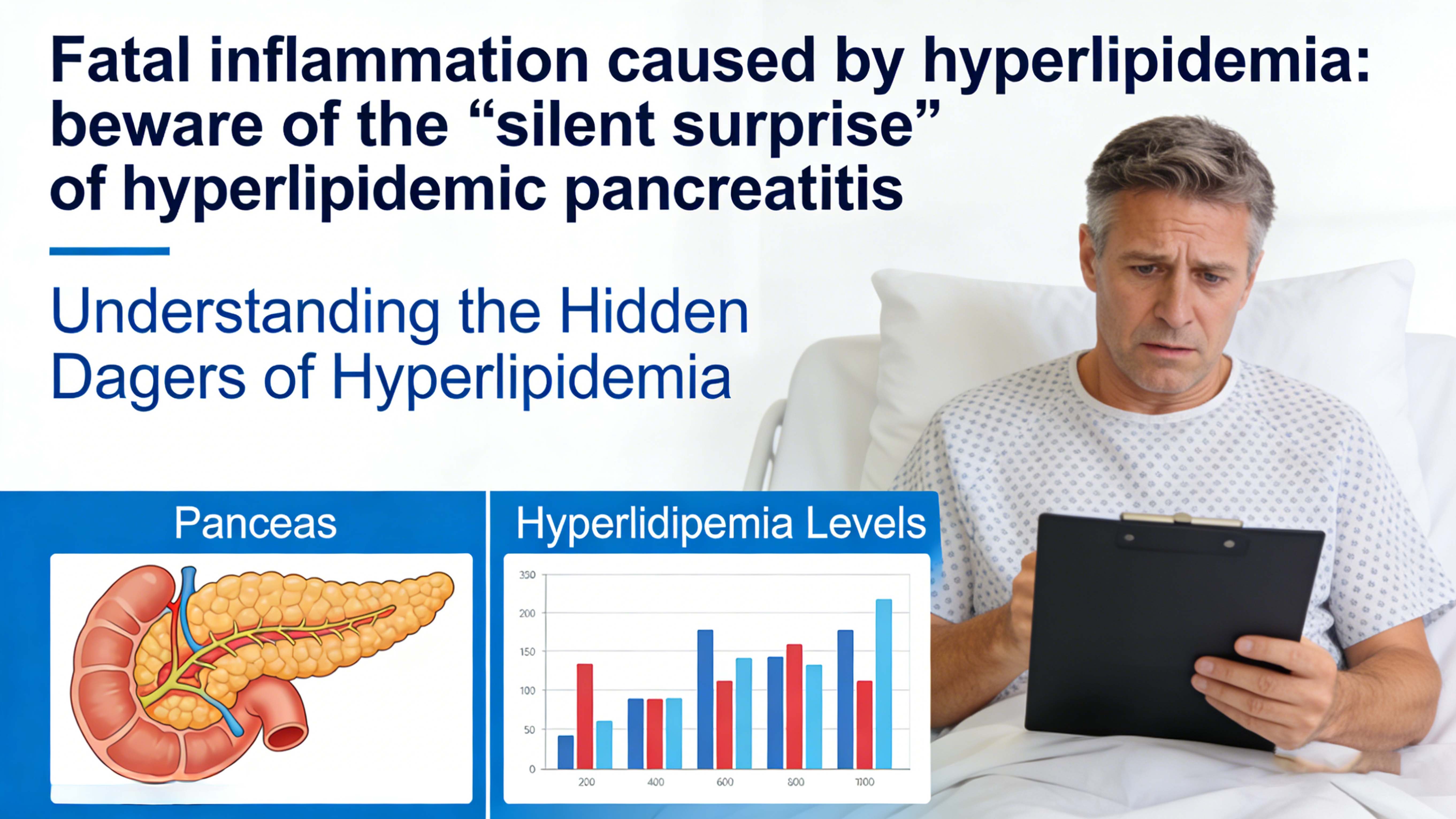
4. dangerous clinical manifestations: from abdominal pain to multiple organ failure
The clinical manifestations of HTGP are similar to those of ordinary acute pancreatitis, but the disease progresses faster and has more complications:
4.1. Severe abdominal pain
Sudden persistent severe pain in the middle and upper abdomen or left upper abdomen can be radiated to the lower back, and can be relieved slightly by bending down and holding the knee position. Unlike biliary pancreatitis, abdominal pain in patients with HTGP tends to be more intense and of longer duration.
4.2 Symptoms of digestive system
Nausea and vomiting were frequent, and the abdominal pain did not relieve after vomiting. Some patients will have paralytic ileus symptoms such as abdominal distension and cessation of exhaust and defecation.
4.3 Systemic inflammatory response
Fever, rapid heart rate, shortness of breath, severe cases will appear hypotension, shock. Without timely treatment, it will rapidly progress to multiple organ failure such as acute respiratory distress syndrome (ARDS), acute renal failure, disseminated intravascular coagulation (DIC) and so on.
4.4 Characteristic signs
Some patients may have jaundice of the skin and sclera, which is caused by the compression of the common bile duct by the edema of the pancreatic head. Severe patients may also have skin ecchymosis around the waist or umbilical cord (Grey-Turner sign, Cullen sign), suggesting intra-abdominal hemorrhage. quick blood lipid analyzer
5. Diagnosis and treatment: a race against time “life and death rescue”
The key to HTGP treatment is early diagnosis, rapid lipid lowering and organ support:
5.1 Emergency diagnosis
HTGP can be diagnosed when the patient has severe abdominal pain with serum triglyceride level ≥11.3mmol/L, and the increase of amylase and lipase is more than 3 times the normal value. Abdominal CT examination can identify the situation of pancreatic edema and necrosis, and provide the basis for the formulation of treatment plan.
5.2 Rapid lipid-lowering therapy
Plasma exchange: for severe patients with serum triglyceride level ≥22.6mmol/L, plasma exchange should be performed immediately, which can reduce the triglyceride level to the safe range within a few hours and effectively prevent the progression of the disease.
Drug therapy: intravenous infusion of unfractionated heparin or low molecular weight heparin to activate lipoprotein lipase and accelerate the breakdown of triglyceride; Fibrates (e.g., fenofibrate) are also administered to inhibit hepatic synthesis of triglycerides.
5.3 Organ support therapy
Fluid resuscitation: Early rapid crystalloid infusion to correct shock and improve pancreatic microcirculation.
Respiratory support: for patients with ARDS, mechanical ventilation should be performed in time.
Renal replacement therapy: patients with acute renal failure were treated with continuous renal replacement therapy (CRRT) to remove inflammatory mediators.
5.4 Surgical treatment
It is only suitable for patients with pancreatic necrosis complicated with infection, abdominal compartment syndrome and other complications. Surgical methods include pancreatic necrosectomy, abdominal drainage and so on.
6. Prevention: from “blood lipid control” to “healthy life”
The key to preventing HTGP in high-risk individuals is long-term control of triglyceride levels:
6.1 Dietary intervention
Limit the intake of foods high in fat and sugar, especially animal fat, fried foods and sweets.
Increasing the intake of dietary fiber, such as vegetables, fruits, and whole grains, helps to reduce triglyceride levels.
Moderate intake of foods rich in ω-3 fatty acids, such as deep sea fish and flaxseed, can inhibit the synthesis of triglycerides by the liver.
6.2 Exercise for weight loss
Moderate intensity aerobic exercise such as brisk walking, jogging, and swimming for at least 150 minutes per week is effective in reducing triglyceride levels. Obese individuals should keep their weight within the normal range (BMI 18.5-23.9kg/ m2).
6.3 Drug control
Lipid-lowering drugs, such as fibrates, niacin, or PCSK9 inhibitors, should be taken under the guidance of a physician for patients who cannot achieve the goal by lifestyle intervention.
6.4 Regular physical examination
Blood lipids should be tested every 3 to 6 months in high-risk groups to detect and control the increase of triglyceride levels in time. portable lipid panel analyzer
Hyperlipidemic pancreatitis is a dangerous acute abdomen, which breaks the perception that “hyperlipidemia is only a chronic disease”. For patients with hyperlipidemia, a casual overeating, a violent mood fluctuations, may become the trigger of the disease attack.
In the face of this “deadly inflammation”, what we can do is not only active treatment after the onset of the disease, but more importantly, prevention in advance: pay attention to the management of blood lipids, maintain a healthy lifestyle, so that the triglyceride level is always in the safe range. After all, early health care is a better choice than first aid, which is a race against death.
Post time: Mar-27-2026