

As temperatures rise, people with diabetes face unique challenges in managing their blood levels. Hot weather can cause blood to fluctuate wildly, leading to dangerous highs and lows. However, with the right strategies and tools, you can keep your blood stable and enjoy the summer safely.
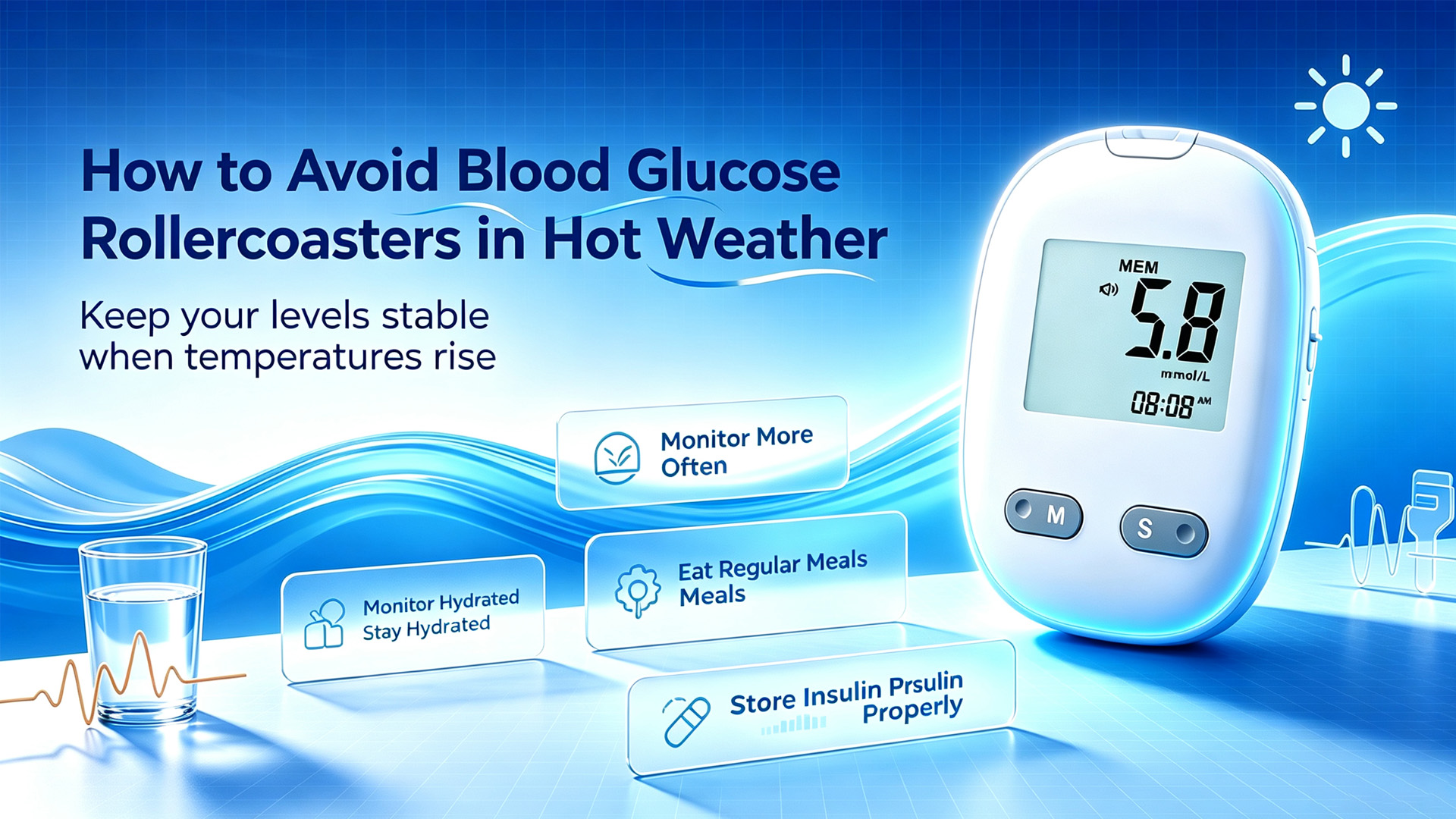
One of the most important tools in managing blood in hot weather is a reliable glucose machine. Regular monitoring with glucose meter and strips allows you to track your levels and make adjustments to your diet, exercise, and medication as needed. It’s especially important to monitor your blood more frequently during heatwaves, as high temperatures can cause insulin to break down more quickly, leading to higher blood levels.
Dehydration is a common problem in hot weather, and it can have a significant impact on blood levels. When you’re dehydrated, your blood becomes more concentrated, which can cause your blood to rise. To stay hydrated, drink plenty of water throughout the day. Avoid y drinks and alcohol, as they can cause dehydration and raise your blood levels. If you’re exercising or spending time outdoors, be sure to drink extra water to replace the fluids you lose through sweat.
Hot weather can also affect your appetite, making it harder to stick to a healthy diet. It’s important to continue eating regular meals and snacks to keep your blood stable. Choose foods that are high in fiber and protein, as they can help slow down the absorption of into your bloodstream. Avoid processed foods and y snacks, as they can cause your blood to spike. Instead, opt for fresh fruits and vegetables, whole grains, and lean proteins.
Exercise is an important part of managing diabetes, but it’s important to be careful in hot weather. High temperatures can increase your risk of heat exhaustion and heatstroke, especially if you’re exercising vigorously. To stay safe, exercise during the cooler parts of the day, such as early morning or evening. Wear lightweight, breathable clothing and drink plenty of water before, during, and after your workout. If you feel dizzy, lightheaded, or nauseous, stop exercising immediately and seek medical attention.
If you take insulin or other diabetes medications, it’s important to be aware of how hot weather can affect their effectiveness. Insulin can break down more quickly in high temperatures, so it’s important to store it properly. Keep your insulin in a cool, dry place, and avoid leaving it in a hot car or direct sunlight. If you’re traveling, be sure to pack your insulin in a cooler with ice packs. You should also talk to your doctor about adjusting your medication dosage during heatwaves, as you may need more or less insulin to keep your blood stable.
In addition to these strategies, it’s important to be aware of the signs of high and low blood . Symptoms of high blood include increased thirst, frequent urination, fatigue, and blurred vision. Symptoms of low blood include shakiness, sweating, confusion, and irritability. If you experience any of these symptoms, check your blood with a blood glucose meter and take appropriate action. If your blood is too high, drink plenty of water and take your medication as prescribed. If your blood is too low, eat a y snack or drink a glass of juice to raise your levels.
By following these tips and using a reliable glucose analyzer to monitor your levels, you can avoid blood “rollercoasters” in hot weather and enjoy a safe and healthy summer.
Post time: Jul-10-2026