

When the number of global diabetes patients exceeded 537 million, a more concealed crisis was quietly spreading – prediabetes. According to data from the International Diabetes Federation (IDF), approximately 540 million adults worldwide are in a prediabetic state, a figure that is almost on par with the number of diabetes patients. The blood sugar levels of these people are higher than the normal range, but have not yet reached the diagnostic criteria for diabetes. Behind their seemingly “healthy” appearance, there is actually a huge health risk lurking. Prediabetes has become a “silent killer” in the global public health field, which urgently requires our high attention.
1. Prediabetes: A latent health crisis
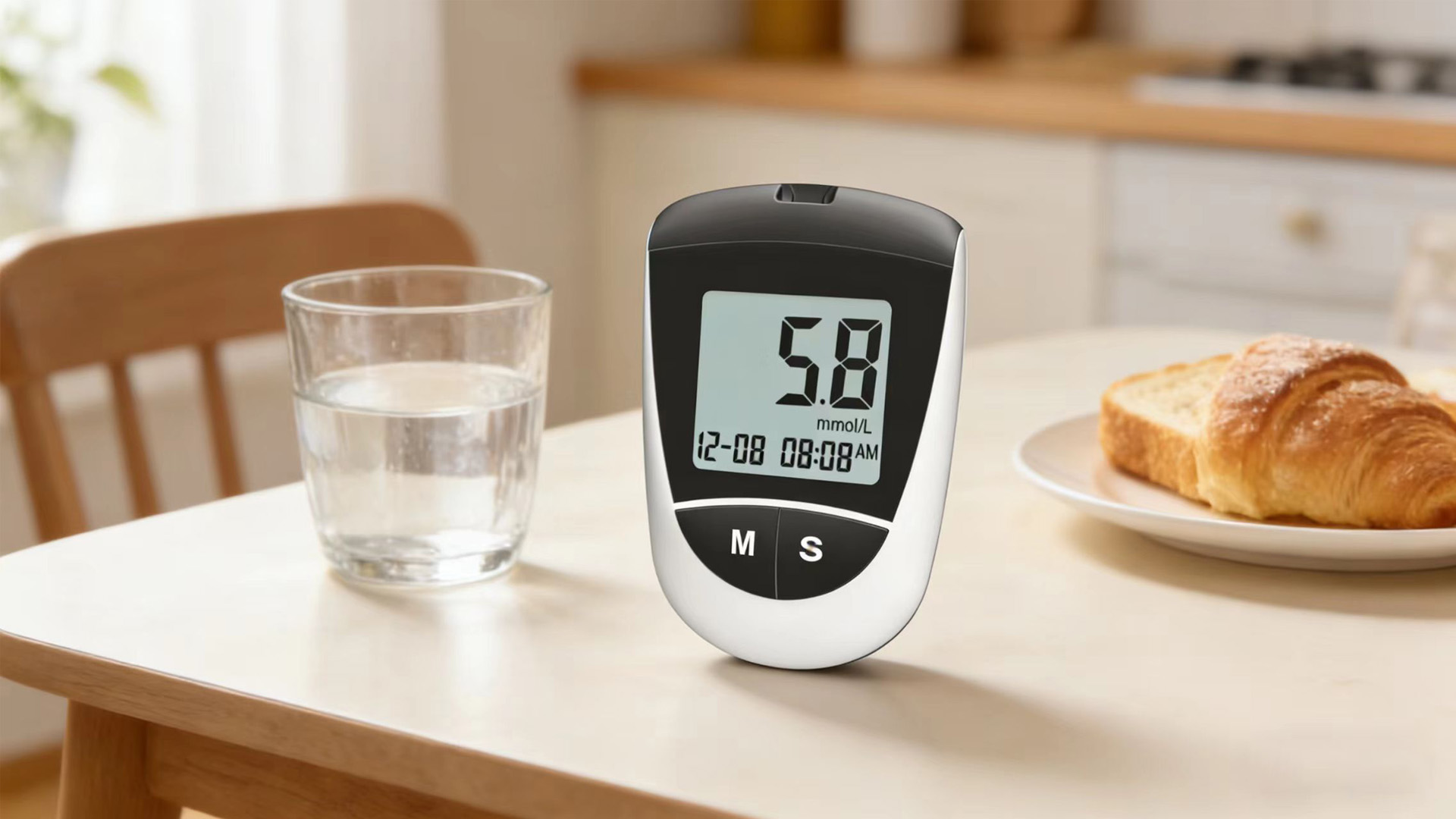
Prediabetes refers to an intermediate metabolic state in which blood sugar levels are higher than the normal range but have not yet reached the diagnostic criteria for diabetes. According to the standards of the World Health Organization (WHO), a fasting blood glucose level between 6.1 and 6.9mmol/L, or a two-hour postprandial blood glucose level between 7.8 and 11.0mmol/L, can be diagnosed as prediabetes. For people at this stage, if no intervention is taken, the risk of developing diabetes within the next 5 to 10 years will increase significantly. diabetes glucose meter
1.1 The “Silent Epidemic” Spreading Globally
Prediabetes has become a “silent epidemic” worldwide:
The prevalence rate is astonishing: approximately 12% of the global population is in a prediabetic state, and in China, the figure is as high as 35.7%, with about 388 million adults currently at this stage
The trend of younger onset: An increasing number of young people are joining the ranks of prediabetes, and the prevalence rate among those under 30 is rising year by year
Strong concealment: Most patients with prediabetes have no obvious symptoms and are often discovered only during physical examinations
1.2 Health hazards beyond Diabetes
Prediabetes is not only a “reserve force” for diabetes, but it itself represents an abnormality in the metabolic system, which can cause multiple harms to health:
The risk of cardiovascular disease increases by 2 to 3 times: People with prediabetes have already developed risk factors for cardiovascular disease such as endothelial dysfunction and increased arterial stiffness
Multi-organ metabolic disorders: Approximately 30% to 50% of prediabetic patients have non-alcoholic fatty liver disease, which is also closely related to polycystic ovary syndrome, cognitive decline and other diseases
High risk of developing diabetes: Approximately 5% to 10% of prediabetic patients progress to diabetes each year. If left untreated, nearly half of the population will be diagnosed with diabetes within 10 years
1.3 The Overlooked “Golden Intervention Period”
Although prediabetes is extremely harmful, it is also the golden intervention period for the prevention and treatment of diabetes:
Strong reversibility: Research shows that through scientific and reasonable intervention, about 60% to 70% of people with prediabetes can delay or even reverse the progression of the disease
High cost-effectiveness: For every 6 cases of prediabetic intervention, 1 case of diabetes can be avoided, reducing direct medical expenses by approximately 127,000 yuan
Significant health benefits: Through lifestyle intervention to alleviate prediabetes, the risk of death from heart disease can be reduced by over 50%, and the effect lasts for 20 to 30 years
2. Clinical Response Strategies: From “Passive Treatment” to “Active prevention”
In the face of the global crisis of prediabetes, we need to change our mindset, shifting from “passive treatment” to “active prevention”, and establish a full-chain management system of “screening – assessment – intervention – follow-up”. digital glucose meter
2.1 Precise Screening: Identifying latent high-risk groups
Early screening is the first step in the management of prediabetes. The following groups of people especially need regular blood sugar monitoring:
People with a family history of diabetes have a 3 to 5 times higher risk of developing the disease due to genetic factors
People who are overweight or obese, especially those with a waist circumference of 90cm or more for men and 85cm or more for women, known as “abdominal obesity”
Office workers who sit for long periods and exercise for less than 150 minutes per week
Women who have suffered from gestational diabetes during pregnancy
People who stay up late for a long time, are under great pressure, and love to eat high-oil and high-sugar takeout food
It is recommended that high-risk groups undergo a combined test of fasting blood glucose and 2-hour postprandial blood glucose at least once a year. If necessary, an oral glucose tolerance test (OGTT) should be conducted – this is currently the most accurate method for diagnosing prediabetes.
2.2 Individualized Assessment: Develop precise intervention plans
Intervention plans for prediabetic populations should be formulated on an individualized basis, taking into account the following factors comprehensively:
Risk stratification: By integrating factors such as blood glucose levels, age, weight, family history, blood pressure, and blood lipids, the risk of diabetes progression is evaluated
Metabolic characteristics: Through indicators such as fasting insulin, C-peptide, and insulin resistance index, it is determined whether insulin resistance is predominant or β -cell function decline is predominant
Lifestyle: Understand the patient’s dietary habits, exercise conditions, sleep quality, psychological stress, etc., and formulate targeted intervention measures
2.3 Multi-dimensional intervention: Equal emphasis on lifestyle and medical approaches
Intervention for prediabetes requires a multi-dimensional and comprehensive approach, including lifestyle intervention, medical intervention and psychological intervention, etc. glucose meter kit
(1) Lifestyle intervention: The foundation of the foundation
Lifestyle intervention is the cornerstone of prediabetes management and mainly includes the following aspects:
Dietary intervention: Control total calorie intake and choose low-GI foods such as oats, corn, and chickpeas to replace white rice and bread. When cooking, use steaming, boiling and stewing instead of frying, roasting and braising to reduce oil intake
Exercise intervention: Engage in at least 150 minutes of moderate-intensity aerobic exercise per week, such as brisk walking, jogging, swimming, etc., and combine it with strength training to increase muscle mass
Weight management: Keep the body mass index (BMI) between 18.5 and 23.9kg/m². For men, the waist circumference should be less than 90cm, and for women, it should be less than 85cm
Sleep management: Ensure 7 to 8 hours of high-quality sleep every day, and avoid staying up late and sleep apnea
(2) Medical intervention: Supplementary measures when necessary
For people whose blood sugar levels have not reached the target after 3 to 6 months of lifestyle intervention, drug intervention can be considered
Metformin: Recommended by multiple guidelines for prediabetes intervention, it can reduce the risk of diabetes by 31%
GLP-1 receptor agonists, such as liraglutide and semaglutide, can not only lower blood sugar but also reduce weight and improve cardiovascular outcomes
Traditional Chinese medicine intervention, such as Jinlida Granules, can reduce the risk of diabetes by 41%, while improving insulin resistance and regulating sugar and lipid metabolism
(3) Psychological intervention: An important link that cannot be ignored
Psychological factors play a significant role in the occurrence and development of prediabetes:
Stress management: Relieve psychological stress through methods such as meditation, yoga, and deep breathing
Emotional regulation: Maintain a positive and optimistic attitude and avoid long-term negative emotions such as anxiety and depression
Social support: The understanding and support from family and friends can help improve patients’ compliance with intervention
2.4 Long-term Follow-up: A “Protracted Battle” to Consolidate Intervention Effects
The management of prediabetes is a “protracted battle” that requires long-term follow-up and continuous management.
Regular monitoring: Monitor blood sugar every 3 to 6 months and conduct a comprehensive health assessment once a year
Effect evaluation: Adjust the intervention plan in a timely manner based on changes in blood sugar and health conditions
Health education: Regularly carry out health education related to prediabetes to enhance patients’ self-management ability
Long-term persistence: The intervention for prediabetes requires long-term persistence to achieve good results
3. Future Outlook: Technology Empowering Prediabetes Management
With the continuous development of technology, the management of prediabetes will also embrace new opportunities:
Artificial intelligence-assisted screening: Utilizing artificial intelligence technology to analyze physical examination data, the efficiency and accuracy of prediabetes screening are enhanced
Continuous blood glucose monitoring technology: Real-time monitoring of blood glucose changes through wearable devices to promptly detect abnormal blood glucose levels
Personalized nutritional intervention: Based on genetic testing and metabolomics analysis, personalized nutritional plans are formulated
Digital health management platform: Through mobile apps and other means, it enables real-time interaction between patients and medical staff, enhancing intervention compliance
Prediabetes is a “silent wave” on a global scale, quietly threatening the health of hundreds of millions of people. However, it is also a reversible “crossroads of health”. Through scientific and reasonable intervention, it is entirely possible for us to change the course of the disease and prevent or delay the occurrence of diabetes. Let’s take action, starting with paying attention to prediabetes, and jointly safeguard our health defense line. Just as the World Health Organization has called for: “Preventing diabetes starts with paying attention to prediabetes!” Let’s join hands and win this “outpost battle” against diabetes. glucose machine
Post time: Feb-06-2026