

For people with high uric acid levels, do they often overlook that insignificant “↑” on their physical examination reports? Don’t be careless. It might be quietly staging an “internal storm”! Excessive uric acid may, like “glass shards”, quietly wear down your kidneys. And hyperuricemia has become the second most common metabolic disease after diabetes.
What is your body going through when your uric acid level is high?
Once uric acid levels exceed the standard, a sudden “storm” will break out inside the body. Those excessive uric acids are like countless tiny, sharp “glass shards”, quietly causing damage in your kidneys.
Phase One: Formation of “glass shards”. Blood is like a cup of water, and uric acid is the salt dissolved in it. The blood cannot dissolve so much uric acid, and the uric acid will crystallize – those “glass shards” are thus formed.
Phase Two: The kidneys “move forward under burden”. Uric acid is mainly excreted through the kidneys. Excessive uric acid causes the kidneys to work beyond their capacity. Those tiny uric acid crystals may also directly deposit in the kidney tissue, gradually wearing down like sandpaper, leading to chronic uric acid nephropathy.
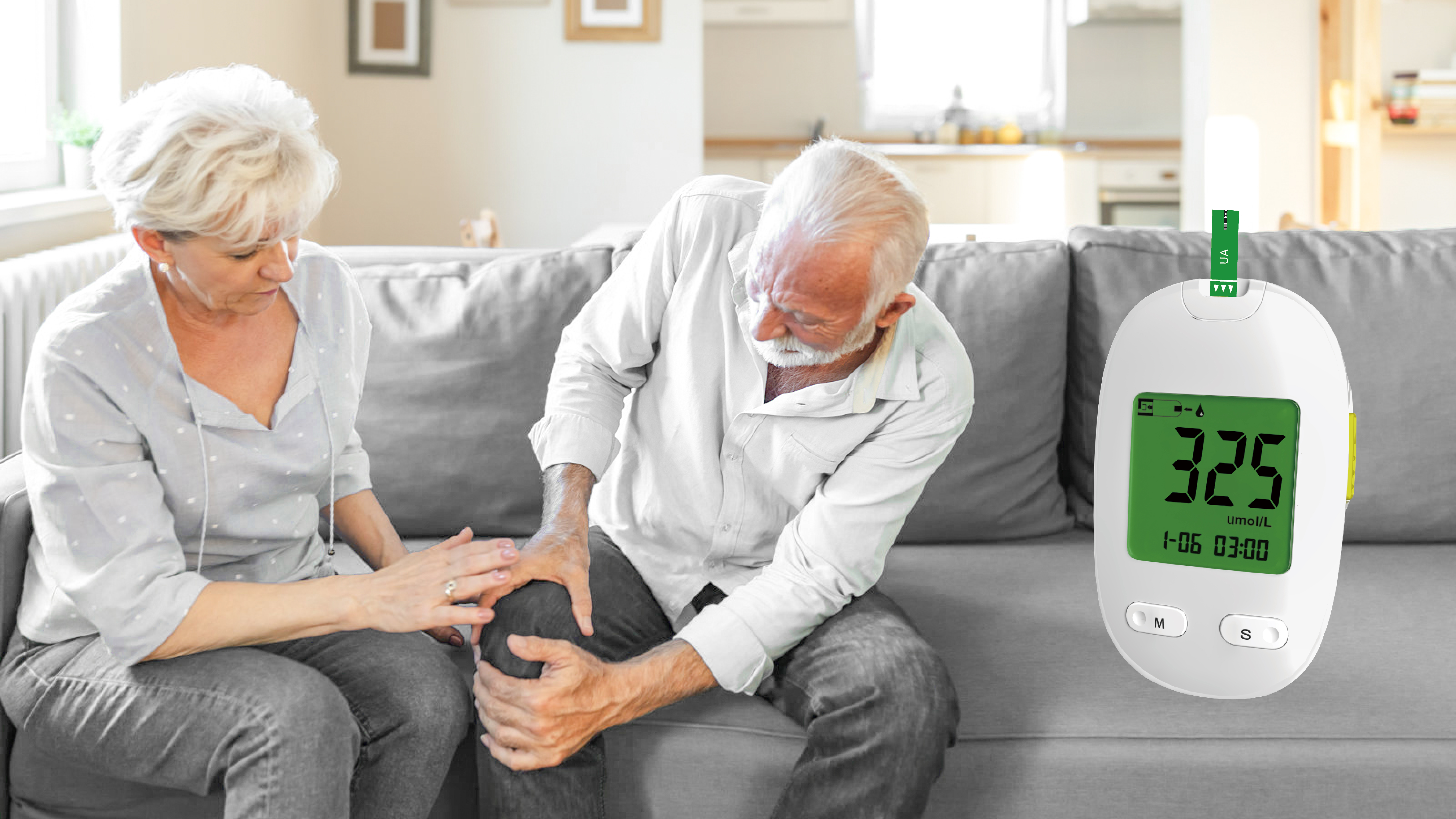
Phase Three: Suddenly “detonating” the pain. Crystals deposited in joints (especially toes, ankles, knees and fingers) are like “time bombs”. One day, if you have a seafood hot pot with beer, or if your body is dehydrated, chilled or overworked, it may instantly “explode” – this is the unbearable gouty arthritis! The joints are red, swollen, hot and painful. Even a slight touch feels like an electric shock. 3.
8 Underestimated Little Things to Help You Lower Uric Acid
1. Drink plenty of plain boiled water often
Drinking enough water helps dilute uric acid in urine and promotes its excretion. For drinking water, plain boiled water should be the first choice. Lemon water, light tea, sugar-free coffee and soda water can also be selected. However, excessive consumption of strong tea and strong coffee should be avoided, and cold drinks should also be avoided.
2. Do not drink sugary beverages
Carbonated beverages, fruit juices, functional drinks and the like available on the market, although they have extremely low purine content, are all rich in fructose. Fructose is the “invisible killer” of gout. The decomposition process of fructose in the body directly produces uric acid, which is equivalent to increasing the source of endogenous uric acid. Compared with sucrose, glucose and other substances, fructose can also inhibit the excretion of uric acid by the kidneys. The addition of the two can lead to a significant increase in the concentration of uric acid in the body.
3. Do not smoke or drink alcohol
Drinking alcohol can affect uric acid metabolism, whether it is white spirit, beer or yellow wine. Some people think that alcohol is safe just because it has a low purine content. In fact, the impact of alcohol on uric acid has nothing to do with the level of purine. It can interfere with uric acid concentration through metabolism. The more alcohol there is in the body, the more residual uric acid there will be. In addition, harmful substances in tobacco can also interfere with uric acid metabolism.
4. Keep doing moderate exercise
Aerobic exercise can accelerate the body’s metabolism, promote blood circulation and facilitate the excretion of uric acid. Sitting for long periods and reducing daily physical activity can lead to elevated blood uric acid levels. However, it is not recommended to engage in overly intense exercise. High-intensity exercise can cause excessive sweating, which in turn leads to a reduction in urine output, preventing the uric acid that should be excreted through urine from being excreted smoothly.
5. Pay attention to weight management
Elevated uric acid levels are also associated with changes in weight. Research has found that the average concentration of blood uric acid in overweight or obese adults is significantly higher than that in adults of normal weight.
6. Keep a regular diet and sleep schedule
People with irregular diets have a 1.6 times higher risk of developing gout/hyperuricemia than those with regular diets. People with irregular schedules have a 1.6 times higher risk of developing gout/hyperuricemia than those with regular schedules. Those who are often fatigued have a 40% higher risk of developing gout/hyperuricemia than those who are occasionally fatigued.
7. Get sufficient sleep on a daily basis
Good sleep keeps uric acid stable. Reduced sleep time can raise blood pressure, blood sugar and blood lipids by affecting the neuroendocrine and autonomic nervous systems. These factors can also lead to an increase in uric acid production, thereby raising blood uric acid levels and causing hyperuricemia. Whether staying up late or having a late-night snack, it will cause an increase in uric acid.
8. Eat enough vegetables, fruits and whole grains
Most vegetables, fruits (low-sugar ones are even better), eggs and milk (especially skimmed milk) are classified as “green light foods” and can be consumed with confidence. Mushrooms, spinach and other foods rich in purine can also be eaten normally with little impact and will not increase the risk of gout. In addition, whole grains should account for no less than 30% of the daily staple food intake, and the dietary fiber intake should reach 25 to 30 grams.

Post time: Dec-10-2025