

Diabetes in pets must never be ignored
When you notice that your furry friend has suddenly increased its water intake, urinated more frequently recently, and even its originally plump figure has started to lose weight… Don’t rush to blame yourself for improper feeding. It might be diabetes in your pet knocking on the door quietly. Don’t be afraid. This is not a dead end! As guardians of our furry friends’ health, by understanding and managing them, we can accompany them to continue enjoying a quality life.
What is pet diabetes?
In simple terms, diabetes is a condition where the body is unable to properly utilize the sugar (glucose) in the blood to obtain energy. The key lies in insulin – a hormone secreted by the pancreas, which acts as the “key” to open the door of cells and let glucose in. When this “key” malfunctions (insufficient insulin secretion or poor response of the body to insulin), glucose will remain in the blood, leading to high blood sugar, while cells are “starved”.
The vast majority (about 99%) of diabetes in dogs is type 1 diabetes, which means the pancreas cannot secrete enough insulin and requires lifelong insulin injection treatment.
The condition of diabetes in cats is more complex. In the early stage, it is mostly type II diabetes (the body is not sensitive to insulin and may be accompanied by relatively insufficient insulin secretion). The good news is that if detected in time and treated and managed properly (especially by strictly controlling diet and weight), some cats can even achieve remission of diabetes and temporarily or permanently do not need insulin injections! But this must be carried out under the strict supervision of a veterinarian.

Do not ignore the body’s “distress” signals
Early discovery is of vital importance! Please keep a close eye on the following changes in your furry friend:
1. Drinking too much
The water bowl always runs out very quickly.
2. Frequent urination
If the urine clumps become larger and more numerous, it is necessary to clean the litter box more frequently or take the dog out to urinate. There may even be accidental urination at home.
3. Eating a lot
Have a strong appetite and even overeat.
4. Weight loss
Despite eating a lot, weight keeps dropping and muscles may become loose.
5. Decreased energy
Become lazy, reluctant to play and sleepy.
6. Deterioration of hair condition
Hair may become dry, lackluster and tousled.
7. Weakness in the hind limbs (especially in cats) :
When walking, the hind legs are metatarsal (landing on the ground with the tarsus joint, like walking on stilts), and it is difficult to jump. 8 Cataracts (especially in dogs) :
The lens of the eye becomes cloudy, leading to a decline in vision or even blindness (the progression may be rapid). 9 Serious Warning Signs – Ketoacidosis:
If symptoms such as vomiting, extreme depression or coma, breathing with a rotten apple smell (ketone smell), and dehydration occur, this is a life-threatening emergency! Please send to the hospital immediately!
What will a veterinarian do after a confirmed diagnosis?
If you notice any suspicious symptoms, please take your pet to the vet immediately. Diagnosis usually includes:
1. Detailed medical consultation
Inform the veterinarian of the pet’s symptoms, diet, living habits, etc.
2 Physical Examination: Have a comprehensive physical examination.
3 Blood test: Blood glucose testing: Persistent and significant elevation of fasting blood glucose and postprandial blood glucose is an important indicator. A single episode of high blood sugar does not necessarily mean diabetes (stress can also cause temporary high blood sugar).
Fructosamine test: It reflects the average blood glucose level over the past 2-3 weeks and is not affected by a single stress.
Urine test: To detect whether there are glucose (diabetes) and ketone bodies (ketourine) in the urine.
Other tests: Blood routine, biochemical, ultrasound and other tests may be required to rule out other potential diseases or complications (such as pancreatitis, urinary tract infection, etc.).
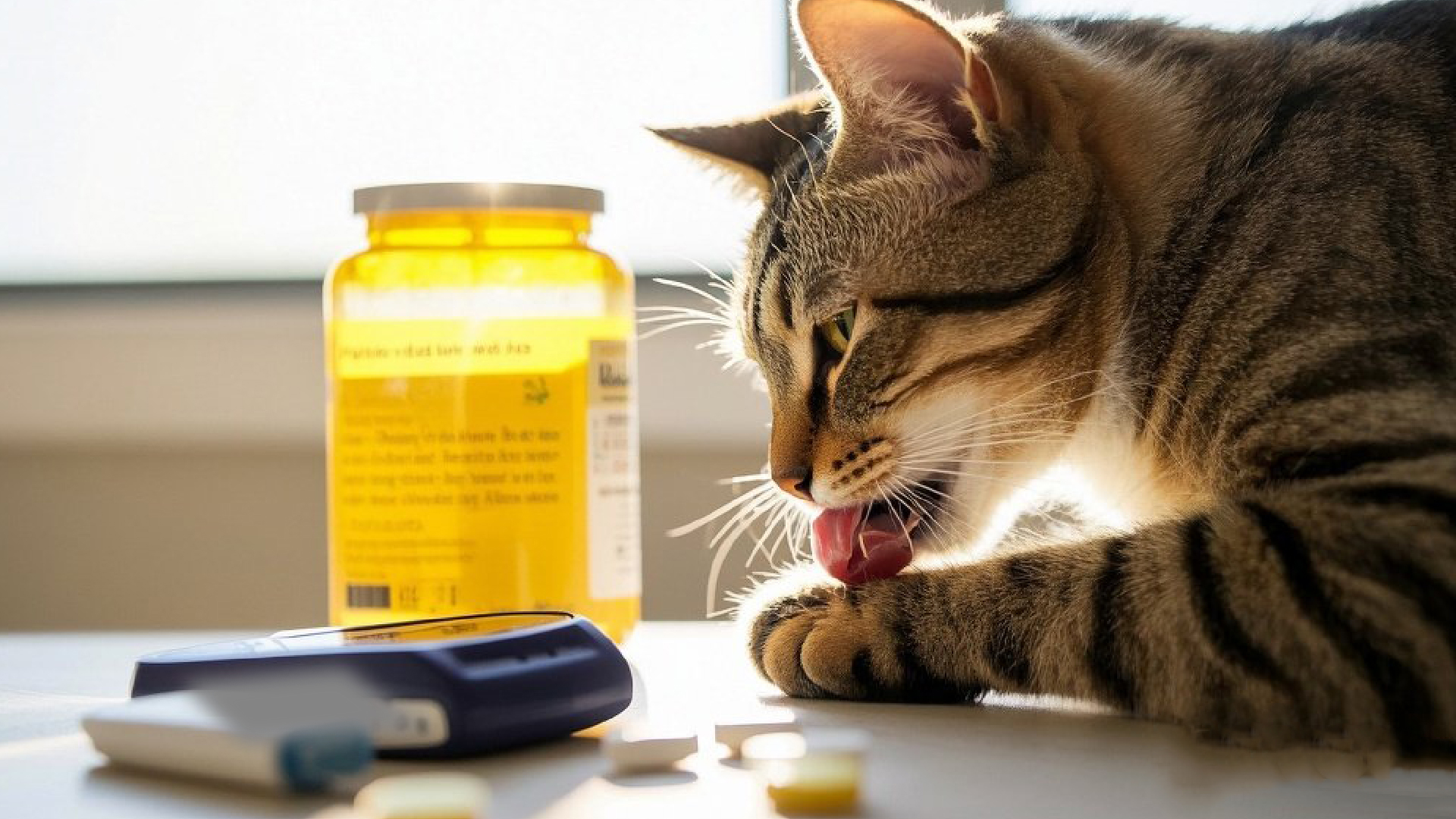
Join hands to fight “Sugar
Don’t lose heart after being diagnosed! Although diabetes requires lifelong management, with scientific treatment, many pets can still live happily for many years.
01 Core Treatment: Insulin Injection Insulin injection (necessary for most dogs and some cats). Listen to the veterinarian! The type, dosage and injection frequency of insulin should all be determined by the veterinarian based on the specific condition of the pet. 1.Do not adjust them by yourself!
Regularity first: It is crucial to inject and feed at a fixed time every day!
2. Proper storage: Unopened insulin should be refrigerated at 2-8°C, avoiding freezing and vigorous shaking. The bottle in use should be stored at room temperature or in the refrigerator as per the instructions (different insulins have different requirements).
02 Dietary Management: The Cornerstone of Successful treatment
Prescription diets are the first choice: Veterinarians usually recommend specific prescription diets for diabetes. The characteristics of this type of food: high protein, low carbohydrate (especially for cats) – stabilizing blood sugar.
Rich in high-quality fiber (especially for dogs), it delays the absorption of sugar.
03 Nutritional Ratio
1. Strictly feed at regular intervals and in fixed quantities: It is usually recommended to feed twice a day, and it should be coordinated with the insulin injection time (for example, feed immediately after injection or follow the veterinarian’s instructions). Stop feeding snacks and human food at will!
Be cautious about snacks: If you must give them, choose low-sugar and low-carb snacks that are approved by your veterinarian and include them in your total daily calorie intake. Boiled chicken breast (without seasonings) or specific prescription snacks are usually better choices.
04 Regular and moderate exercise
1. Maintain stability: Engaging in similar-intensity exercise at similar times every day can help stabilize blood sugar levels. Avoid intense or sudden prolonged exercise.
2. Gradual progress: Especially for obese or previously inactive pets.
05 Crucial home monitoring
1. Blood sugar curve: Follow the doctor’s advice and measure blood sugar at home or in the hospital regularly, that is, measure blood sugar multiple times a day and draw a curve graph. This is the gold standard for evaluating insulin efficacy and adjusting dosage.
2. Observe symptoms: Continuously monitor changes in water intake, urine output, appetite, mental state, and weight.
3. Urine ketone body test: You can use pet-specific test strips to test at home. Contact a veterinarian promptly if you find ketone urine.
4. Regular follow-up visits: Even if the pet’s condition is stable, it is still necessary to visit the veterinarian regularly for re-examination and blood sugar assessment.
Post time: Dec-29-2025