

1. The essence and transmission routes of AIDS
AIDS is a serious infectious disease caused by the Human immunodeficiency virus (HIV). HIV mainly attacks CD4+T lymphocytes in the human immune system. After a large number of these cells are destroyed, the immune function of the 01 human body gradually disappears, making it prone to opportunistic infections and tumors, and eventually leading to death. It is worth noting that the HIV virus has extremely weak survival ability after leaving the human body. At room temperature, it can only survive for a few hours in the blood outside the body. It is sensitive to heat and can be inactivated after being treated at 56℃ for 30 minutes.
02 The three major transmission routes have been scientifically confirmed:
Blood transmission: Sharing needles contaminated with HIV, importing blood products that have not been screened, etc
Mother-to-child transmission: A mother infected with HIV may pass the virus to her fetus during pregnancy, childbirth or breastfeeding
Behaviors without body fluid exchange such as daily work and study, shaking hands and hugging, sharing meals and using the same bathroom will not spread HIV, and mosquito bites will not cause infection either. According to data from the World Health Organization (WHO), among the approximately 38 million people living with HIV worldwide, 95% are infected through the above three routes.
2. Progress in the detection and treatment of AIDS
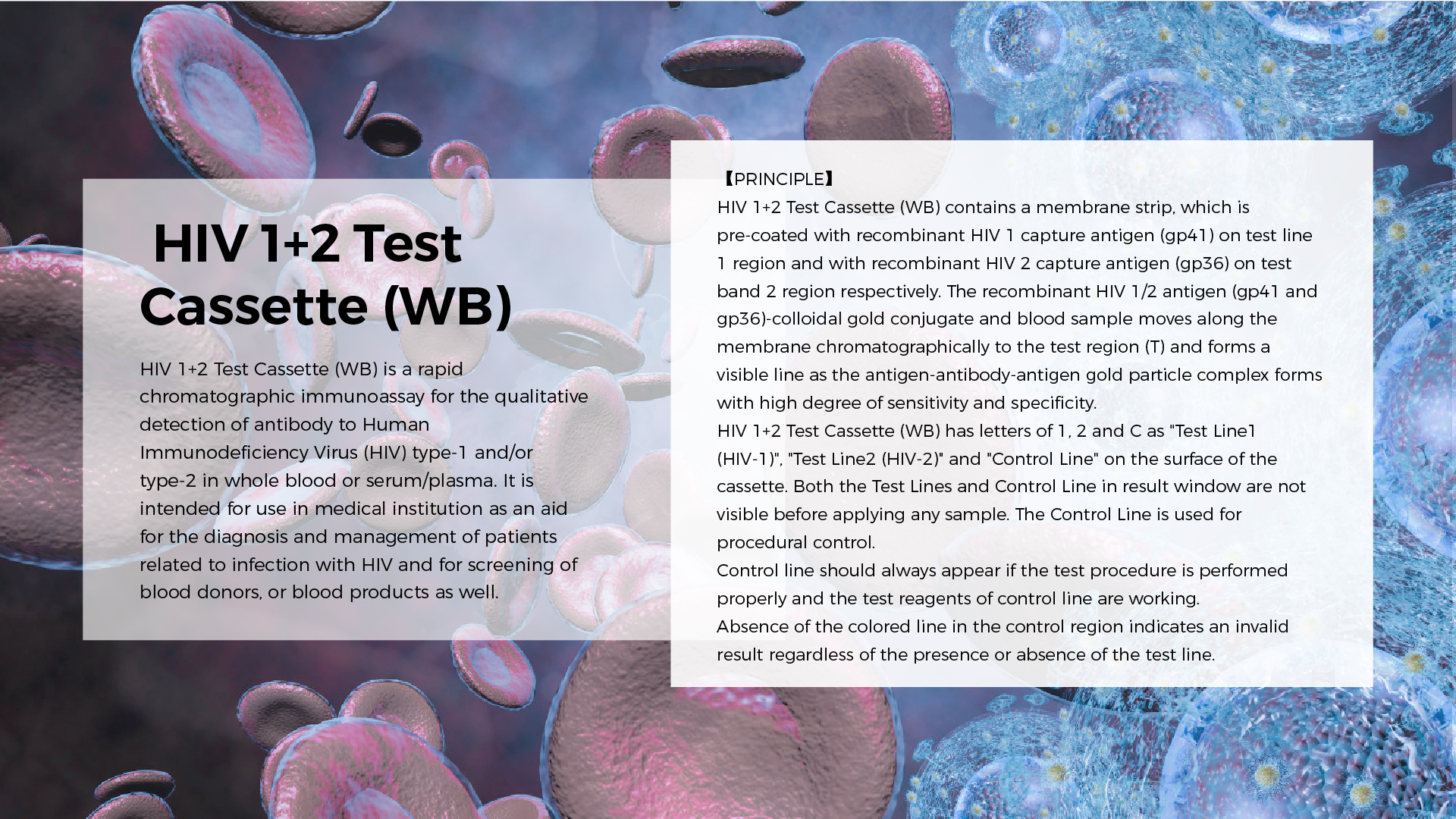
01 Early detection is the key to controlling the spread of AIDS. After being infected with HIV, there is a “window period” (usually 2 to 12 weeks). During this stage, although antibodies cannot be detected, it is contagious. The commonly used detection methods at present include
Third-generation reagents (antibody detection) : The window period is approximately 3 weeks
Fourth-generation reagents (antigen + antibody) : The window period has been shortened to two weeks
Nucleic acid testing: The window period can be compressed to about one week
China has achieved full coverage of an AIDS testing network. Free anonymous testing services are provided by disease control centers, hospitals and social organizations across the country. Timely detection after high-risk behavior not only enables early detection and treatment but also reduces the risk of infection through post-exposure prophylaxis (PEP) – taking antiviral drugs within 72 hours after exposure for 28 consecutive days can lower the risk of infection by more than 80%.
02 Breakthroughs have been made in the therapeutic field:
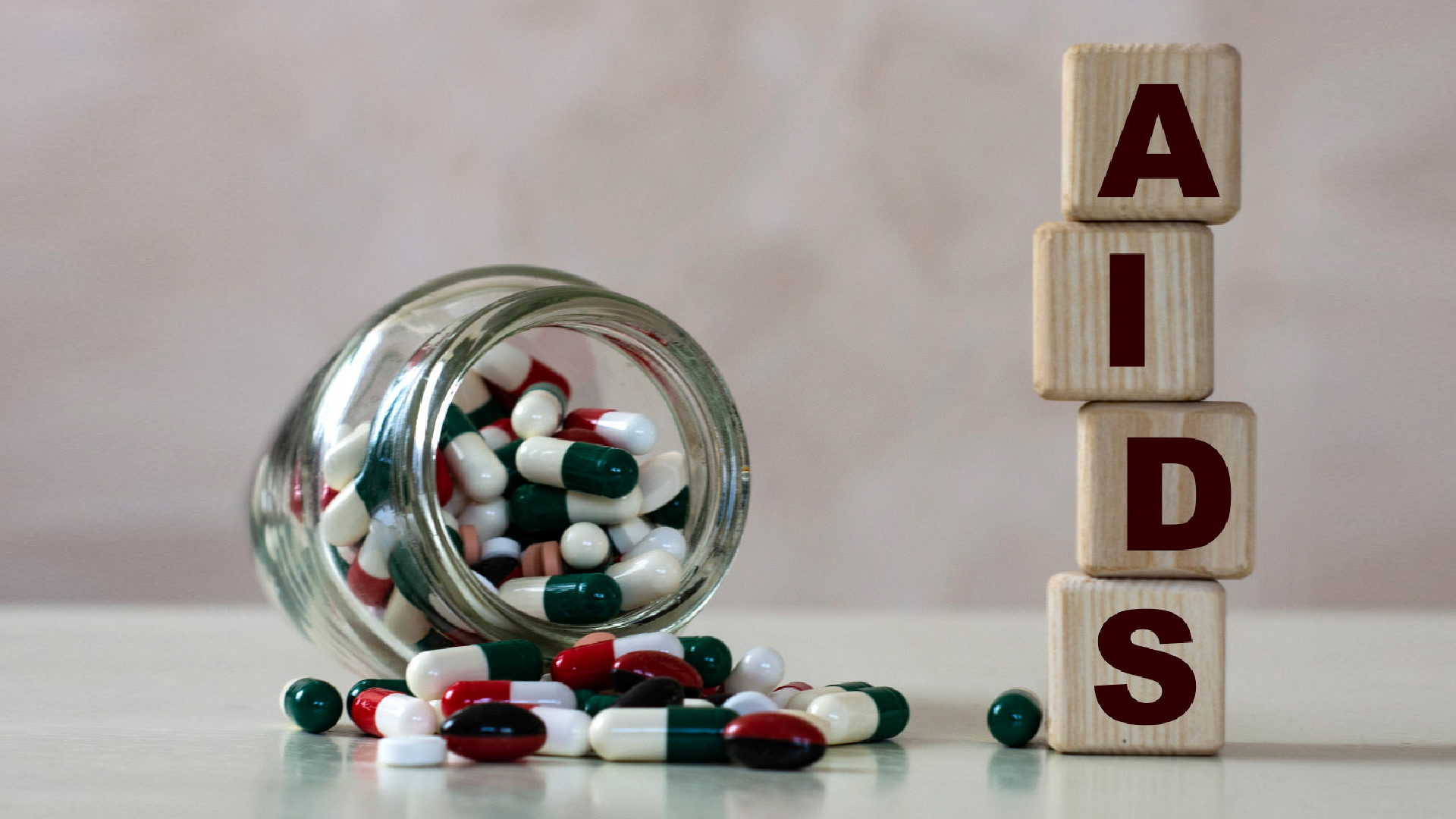
Antiretroviral therapy (ART) : By combining the use of multiple antiviral drugs, the viral load can be controlled at undetectable levels, bringing the patient’s lifespan close to that of a normal person
Long-acting injection therapy: In 2021, the US FDA approved the long-acting injection of cabotervir + ripirelin, which enables one-time monthly administration and significantly improves patient compliance
China’s free treatment policy: All HIV-infected individuals can enjoy antiviral drugs provided free of charge by the state, and the treatment coverage rate has reached over 90%
3. Social Cognition and Elimination of Discrimination
Although science has clearly identified the transmission routes of AIDS, social discrimination remains an important factor hindering prevention and control efforts. Surveys show that over 60% of HIV-infected individuals have experienced employment discrimination, and 40% of student infected individuals dare not disclose their identities out of fear of discrimination. This kind of discrimination stems from three major cognitive misunderstandings
01 Misconception 1: Contact with an infected person will lead to infection
Scientific truth: Daily contact is completely safe. The WHO clearly states that “AIDS cannot be transmitted through air, water or food.”
02 Misconception 2: All infected people are those with improper behavior
Factual data: Among the new infections in China each year, the proportion of cases transmitted through heterosexual contact reaches 69.6%. The infection rate among young students aged 15 to 24 increases by an average of 35% annually. Anyone can be infected due to accidental exposure
03 Misconception 3: Being infected with HIV is equivalent to a death sentence
Current treatment status: Under standardized treatment, the life expectancy of HIV-infected individuals has been extended from 8 years in 1996 to 78 years now, showing no significant difference from that of the general population
Eliminating discrimination requires the joint efforts of the whole society: schools should carry out comprehensive education, enterprises need to implement anti-discrimination employment policies, and the media should disseminate scientific information. The theme of World AIDS Day 2025, “Equality and Solidarity, End AIDS”, is calling for the creation of a non-discriminatory social environment.
4. Personal Protection and Social Responsibility
Effective protective measures at the individual level include
Adhering to the correct use of condoms throughout the entire process can reduce the risk of sexual transmission by 99%
Refuse drugs, do not share needles, and avoid unnecessary blood exposure
After engaging in high-risk behaviors, take the initiative to get tested for early detection and treatment
Prevention and control strategies at the social level
Promoting pre-exposure prophylaxis (PrEP) : For high-risk groups, taking antiviral drugs daily can reduce the risk of infection by more than 90%
Strengthen intervention for key groups: Provide regular testing and counseling services for high-risk groups such as sex workers and men who have sex with men
Eliminating mother-to-child transmission: Through measures such as antiviral treatment during pregnancy, elective cesarean section, and artificial feeding, the rate of mother-to-child transmission can be controlled below 1%
Since the implementation of the “Four Exemptions and One Care” policy in China, the mother-to-child transmission rate of AIDS has dropped from 34.8% in 2005 to 0.7% in 2024, remaining at a globally low prevalence level. However, issues such as the rising infection rate among the youth and hidden transmission still need to be taken seriously.
5. Scientific prevention and control to end AIDS
AIDS is a public health challenge that all mankind faces together, but its transmission routes are clear and the prevention and control measures are effective. Since the first case was discovered in 1981, humanity has evolved from being at a loss to being preventable and controllable. At present, the world is moving towards the goal of ending the AIDS epidemic by 2030, which requires the joint participation of governments, medical institutions, social organizations and every citizen.
Understanding scientific knowledge, eliminating fear and discrimination, and practicing healthy behaviors – this is not only protection for oneself, but also a responsibility to others. As the Joint United Nations Programme on HIV/AIDS (UNAIDS) emphasizes: “Ending AIDS is not a dream, but a goal that each of us needs to achieve through scientific understanding and practical actions.” Let’s replace panic with reason and eliminate estrangement with care, and jointly build a solid Great Wall against AIDS.
Post time: Jan-14-2026