

I. Definition of Medical Devices
Medical devices refer to equipment, apparatus, apparatus, materials or other items used for the prevention, diagnosis, treatment, alleviation of human diseases, injuries or disabilities. Household medical devices refer to medical devices used in home environments, including thermometers, blood pressure monitors, blood glucose meters, etc
Ii. Intended Uses of Medical Devices
The use of medical devices aims to achieve a variety of expected purposes, including: prevention, diagnosis, treatment, monitoring and alleviation of diseases; Diagnosis, treatment, monitoring, mitigation and compensation for injury or disability; The study, substitution, regulation or support of anatomical or physiological processes; Support or maintenance of life; Pregnancy control By examining samples from the human body, information is provided for medical or diagnostic purposes.
Iii. Risk Classification of Medical Devices
China implements classified management based on the risk level of medical device products:
The first category: Medical devices with low risk levels that can be ensured to be safe and effective through routine management. Such as surgical instruments, gua sha boards, medical X-ray films, surgical gowns, surgical caps, examination gloves, gauze, bandages, etc.
The second category: Medical devices with moderate risks that require strict control and management to ensure safety and effectiveness. Such as medical suture needles, blood pressure monitors, thermometers, electrocardiogram machines, microscopes, acupuncture needles, hearing AIDS, etc.
The third category: Medical devices with relatively high risks that require special measures for strict control and management. Such as implantable cardiac pacemakers, contact lenses, intraocular lenses, hemodialysis devices, implant equipment, vascular stents, etc. Oxygen machines, etc.
Iv. Safe Use of Household Medical Devices
1. Make the right choice of medical devices
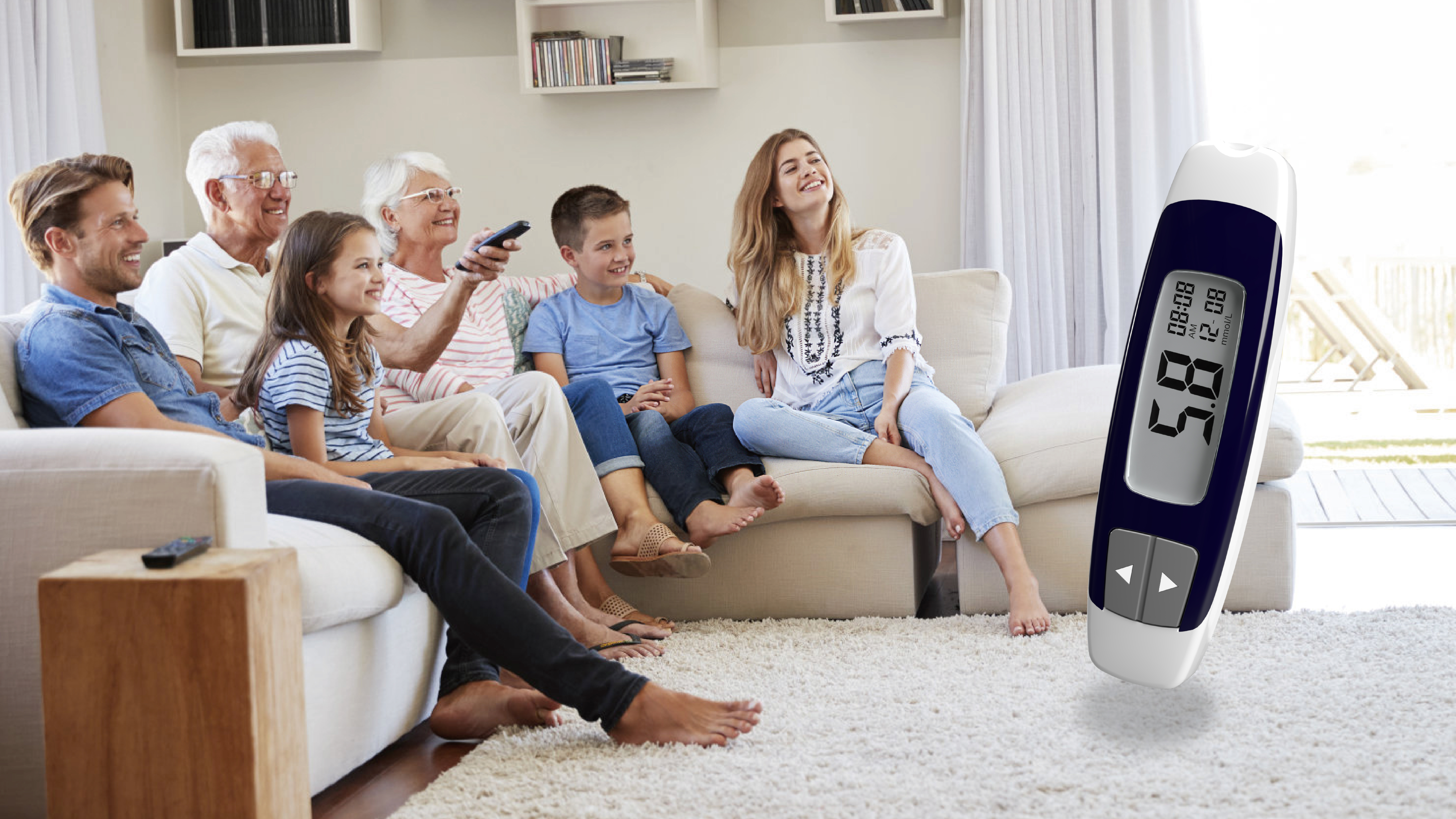
When purchasing household medical devices, the choice should be made based on the health conditions and actual needs of family members. For instance, if a family member has chronic diseases such as hypertension or diabetes, an appropriate blood pressure monitor or blood glucose meter should be chosen. At the same time, attention should be paid to the quality certification and brand reputation of the products to avoid purchasing counterfeit and shoddy products.
2. Use medical devices correctly
Before using household medical devices, one should carefully read the instructions to understand the usage methods and precautions. For instance, when using a blood pressure monitor, one should wear the cuff correctly, keep quiet, and avoid measuring blood pressure after exercising or when emotionally agitated. When using a blood glucose meter, blood should be collected correctly to avoid infection and errors.
3. Regularly maintain medical devices
Household medical devices need regular maintenance to ensure their normal use. For instance, the cuff of a blood pressure monitor needs to be cleaned and replaced regularly, and the test strips of a blood glucose meter need to be replaced periodically, etc. At the same time, it is necessary to pay attention to avoiding the influence of environmental factors such as moisture and dust on medical devices.
4. Properly store medical devices
Household medical devices should be properly stored to avoid the influence of direct sunlight and high temperatures and other environmental factors. For instance, thermometers should be kept out of the reach of children to prevent damage or accidental ingestion that could cause injury. At the same time, it is necessary to avoid storing medical devices together with other items to prevent adverse consequences such as contamination or accidental ingestion.
V. Summary
The safe use of household medical devices is of vital importance to the health of family members. The correct selection, use and maintenance of medical devices can ensure their normal usage effect and safety. At the same time, medical devices should be properly stored to avoid unnecessary risks and losses. When using medical devices, if you encounter any problems or have any concerns, you should consult a professional doctor or relevant institution in a timely manner to obtain accurate guidance and advice.
Vi. Common Problems and Solutions of Household Medical Devices
1. The blood pressure monitor’s measurement results are inaccurate.
Solution: First, check if the blood pressure monitor is correctly calibrated. If calibration is necessary, please follow the method described in the manual. Secondly, check if the cuff of the blood pressure monitor is intact. If there is any problem, please replace it in time. Finally, if none of the above methods can solve the problem, it is recommended to contact the manufacturer or a professional doctor for consultation.
2. The blood glucose meter fails to start normally or displays error messages.
Solution: First, check if the battery of the blood glucose meter is low on power. If the battery needs to be replaced, please follow the method described in the manual. Secondly, check whether the test strips of the blood glucose meter have expired or been contaminated. If there are any problems, please replace them with new ones. Finally, if none of the above methods can solve the problem, it is recommended to contact the manufacturer or a professional doctor for consultation.
3. Excessive noise or air leakage from the oxygen generator.
Solution: First, check whether the noise of the oxygen generator is within the normal range. If the noise is too loud, it may be caused by machine failure or improper use. Secondly, check whether the pipelines and interfaces of the oxygen generator are leaking. If there are any problems, please replace or repair them in time. Finally, if none of the above methods can solve the problem, it is recommended to contact the manufacturer or a professional doctor for consultation.
Vii. Precautions
1. Do not place household medical devices out of reach of children to prevent accidental ingestion or damage that could cause injury.
2. Do not mix household medical devices with other items to avoid adverse consequences such as contamination or accidental ingestion.
3. Do not use expired or damaged household medical devices to avoid affecting health and safety.
4. Do not disassemble or repair household medical devices by yourself. If you need repair, please contact a professional or the manufacturer.
Post time: Dec-15-2025