

Atherosclerotic cardiovascular disease (ASCVD) remains the leading cause of morbidity and mortality in patients with type 2 diabetes mellitus (T2DM). Even with effective low-density lipoprotein cholesterol (LDL-C)-lowering therapies and optimized management of traditional risk factors, individuals with T2DM continue to face substantial residual ASCVD risk, a clinical challenge that has driven extensive research into unaddressed pathological drivers. Recent evidence has identified elevated lipoprotein(a) [Lp(a)] and triglyceride-rich lipoprotein remnants as key contributors to this residual risk, while the complex interplay between T2DM and obesity accelerates atherogenesis through multiple interconnected pathophysiological pathways, including chronic low-grade inflammation, insulin resistance, and adipokine dysregulation. Standardized long-term blood glucose monitoring and lipid monitoring is the foundational step for risk prevention and control in this population. This review examines the evolving landscape of ASCVD management in patients with T2DM with or without concomitant obesity, highlighting advances in cardiovascular risk prediction, emerging biomarkers, novel pharmacotherapies, and non-pharmacological strategies.
In the domain of cardiovascular risk prediction, traditional models often underestimate ASCVD risk in T2DM populations, as they fail to account for diabetes-specific pathological processes. The development of diabetes-specific risk models, integrated with artificial intelligence (AI)-driven approaches, has transformed risk assessment by incorporating multimodal data beyond conventional risk factors, such as glycemic variability, duration of diabetes, and markers of end-organ damage. These advanced models deliver more robust risk stratification, enabling clinicians to identify high-risk patients who would benefit from earlier, more intensive intervention. Central to this improved risk assessment is the ability to obtain comprehensive, high-quality metabolic data, for which standardized blood glucose monitoring and lipid monitoring provides essential support: continuous glucose monitoring systems capture real-time fluctuations in blood glucose levels, while high-precision lipid testing platforms quantify LDL-C, Lp(a), triglyceride remnants, and other atherogenic lipoproteins, generating the detailed biomarker data required to fuel AI risk prediction algorithms.
The expansion of targeted pharmacotherapies has catalyzed a shift toward precision ASCVD management for T2DM and obese populations, with treatments designed to address specific atherogenic pathways that were previously untargetable. Emerging therapies targeting Lp(a), including antisense oligonucleotides and small interfering RNA (siRNA) agents, have demonstrated the ability to reduce Lp(a) levels by up to 80% in clinical trials, with ongoing outcome studies evaluating their impact on cardiovascular events. Novel triglyceride-lowering agents, such as selective peroxisome proliferator-activated receptor alpha (PPARα) agonists and angiopoietin-like protein 3 (ANGPTL3) inhibitors, have also shown promise in reducing residual risk associated with hypertriglyceridemia, a common abnormality in patients with T2DM and obesity. Even gene editing technologies, including CRISPR-Cas9 systems targeting PCSK9 and Lp(a), are under investigation as potential one-time interventions for individuals with high lifelong ASCVD risk. Complementing these novel agents, organ-protective therapies have revolutionized the management of T2DM and its complications. Sodium-glucose cotransporter 2 (SGLT2) inhibitors and glucagon-like peptide-1 receptor agonists (GLP-1 RAs) have demonstrated significant cardiovascular and renal benefits, along with clinically meaningful weight reduction, independent of their glucose-lowering effects, positioning them as first-line therapies for T2DM patients with established ASCVD or high cardiovascular risk. Regular blood glucose monitor and lipid monitoring allows clinicians to track the response to these targeted therapies in real time, adjusting treatment regimens to ensure patients achieve individualized glucose and lipid targets and maximize cardiovascular benefit.
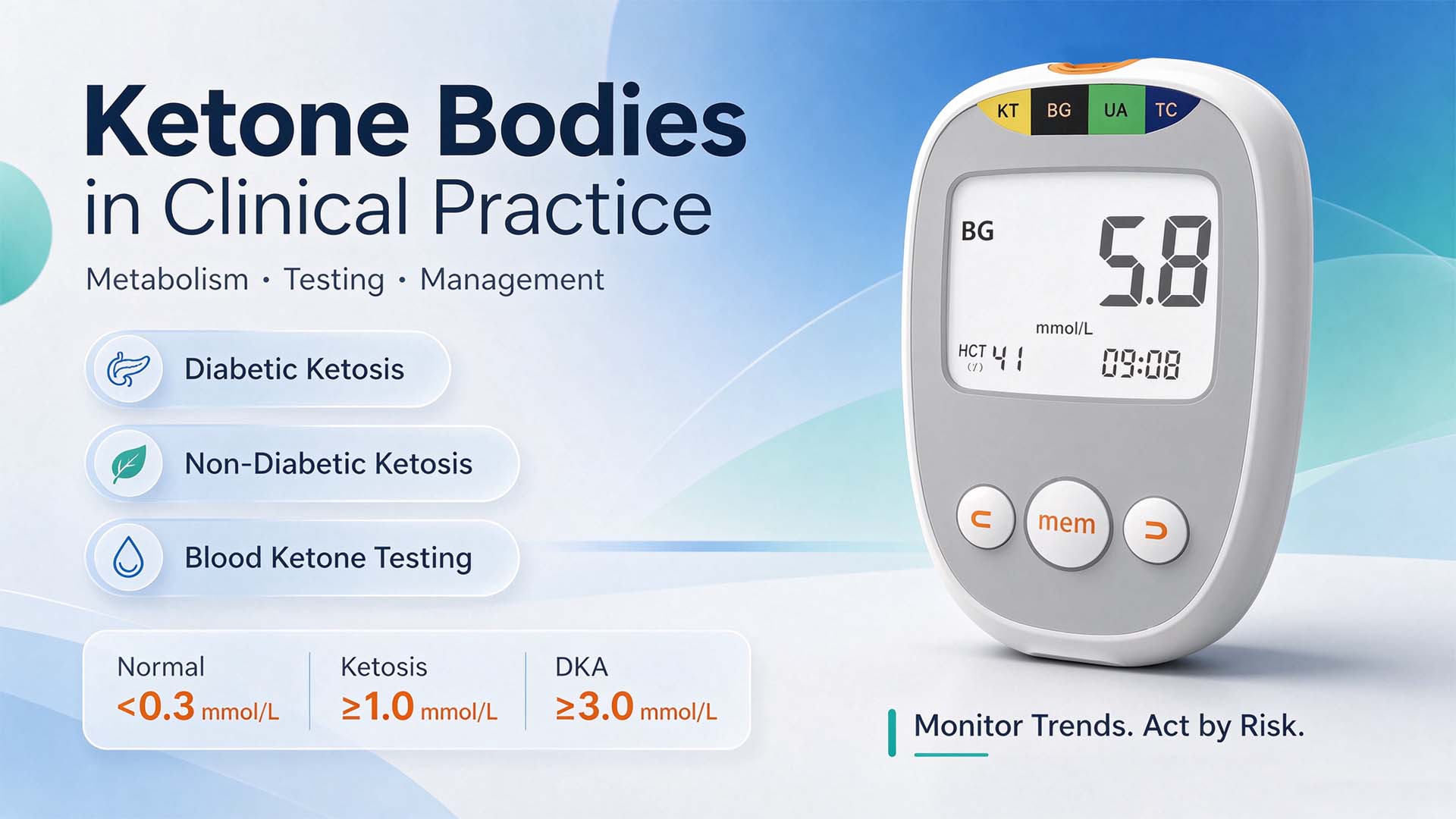
Beyond pharmacological intervention, effective public health strategies remain critical to reducing the population-level cardiovascular burden associated with T2DM and obesity. Sustained lifestyle interventions, including personalized nutrition plans, structured physical activity programs, and weight management support, have been shown to reduce ASCVD risk by up to 30% in high-risk populations, even independent of pharmacological treatment. Environmental interventions, such as improving access to healthy food options, creating safe spaces for physical activity, and implementing marketing restrictions on ultra-processed foods high in sugar and saturated fat, play a key role in supporting healthy behaviors at the community level. Policy-driven initiatives, including sugar taxation, mandatory nutrition labeling, and public health campaigns targeting diabetes and obesity prevention, further amplify the impact of individual and community-level interventions. Large-scale screening programs carried out by public health systems also help identify undiagnosed high-risk individuals, enabling early intervention to reduce long-term cardiovascular complications.
In conclusion, ASCVD prevention for patients with T2DM and obesity is evolving toward a highly precise, multifaceted approach that combines advanced risk prediction tools, novel biomarkers, targeted pharmacotherapies, and population-level public health interventions. The integration of these strategies is essential to address the substantial residual cardiovascular risk that persists in this vulnerable population, even with optimal traditional risk factor management. As diagnostic technology continues to advance and novel therapies move from clinical trials into routine clinical practice, these integrated approaches will become increasingly effective at reducing ASCVD events and improving long-term cardiovascular outcomes for the millions of individuals living with T2DM and obesity worldwide.
Post time: Nov-14-2026