

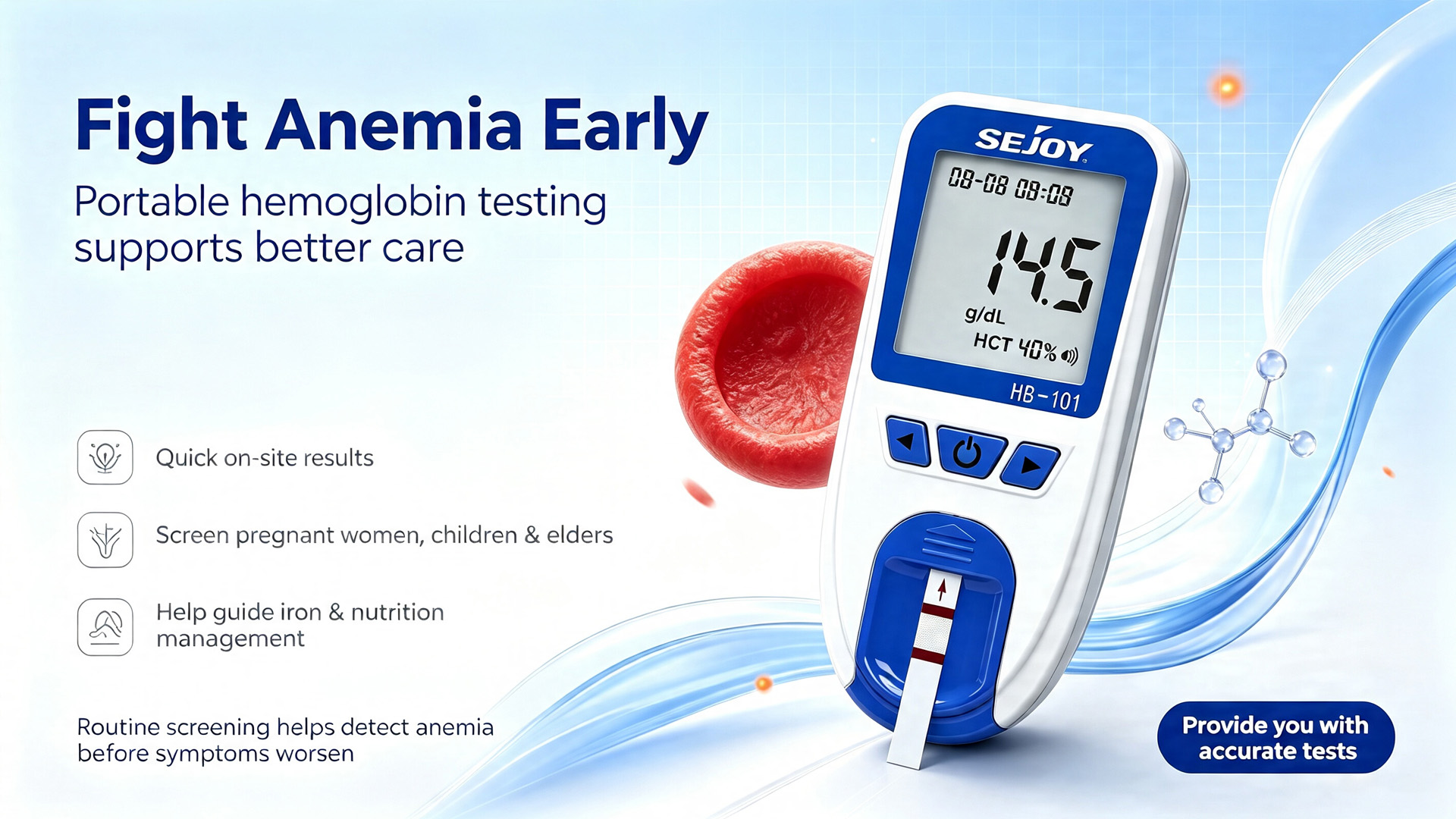
Anemia, a condition characterized by a deficiency of red blood cells or hemoglobin, affects over 2 billion people worldwide—roughly a quarter of the global population. Often dismissed as a “tiredness quirk” or minor nutritional gap, it is in fact a serious health concern linked to increased risk of heart disease, cognitive impairment, and maternal mortality. As 2026 brings renewed focus on preventive healthcare, addressing anemia requires targeted strategies, early detection, and equitable access to tools like hb meter hemoglobin—portable devices that measure blood hemoglobin levels in minutes, a game-changer for underserved communities.
The first line of defense against anemia is early detection, and hemoglobinometers are pivotal in bridging diagnostic gaps. In low-income countries where laboratory infrastructure is scarce, these devices allow community health workers to test patients on-site, eliminating the need for costly and time-consuming hospital visits. For example, in rural India, a 2025 study found that distributing hemoglobinometers to village health workers reduced anemia diagnosis delays by 70%, enabling timely interventions for pregnant women and children. In sub-Saharan Africa, where 60% of children under five are anemic, hemoglobinometers have become a cornerstone of public health campaigns, helping identify at-risk individuals before symptoms like fatigue, pale skin, or shortness of breath escalate into life-threatening complications.
Understanding the root causes of anemia is equally critical. While iron deficiency is the most common trigger—affecting 1.2 billion people globally—other factors include vitamin B12 deficiency, chronic diseases like kidney failure, and genetic disorders such as sickle cell anemia. In high-income countries, anemia often flies under the radar due to its non-specific symptoms, leading to underdiagnosis. A 2026 survey in the U.S. found that 40% of adults with anemia were unaware of their condition, with many attributing fatigue to stress or busy lifestyles. This highlights the need for routine screenings, especially among vulnerable groups: pregnant women, older adults, and individuals with chronic illnesses. Integrating hemoglobinometer tests into primary care check-ups could significantly boost detection rates, ensuring early intervention.
Treatment for anemia varies by cause but always requires a personalized approach. For iron deficiency, oral supplements or intravenous iron therapy may be prescribed, alongside dietary adjustments like increasing intake of leafy greens, red meat, or fortified cereals. However, compliance remains a challenge: a 2024 study in Nigeria found that 30% of patients stopped taking iron supplements due to side effects like nausea or constipation. To address this, researchers are developing new formulations, such as slow-release iron pills and plant-based iron enhancers. For individuals with chronic anemia, managing underlying conditions—like controlling diabetes or treating kidney disease—is key. In cases of genetic anemia, such as thalassemia, regular blood transfusions or bone marrow transplants may be necessary, though these treatments are often inaccessible in low-resource settings.
Prevention is the most cost-effective strategy to combat anemia. Public health initiatives like fortifying staple foods with iron and folic acid have shown promising results: in Rwanda, mandatory flour fortification reduced childhood anemia rates by 25% between 2020 and 2025. Education also plays a vital role—teaching communities about balanced diets, the importance of prenatal care, and the risks of anemia can empower individuals to take proactive steps. Additionally, addressing social determinants of health, such as poverty and gender inequality, is crucial. Women and girls, who are twice as likely to develop anemia as men, often face barriers to accessing healthcare and nutritious food, perpetuating a cycle of poor health.
In conclusion, anemia is far from a “minor issue”—it is a global health crisis with far-reaching consequences. By prioritizing early detection with tools like hemoglobin testing machine, addressing the root causes of the condition, and implementing preventive measures, we can reduce its burden and improve the lives of billions. The path forward requires collaboration between governments, healthcare providers, and communities, but with commitment and innovation, a world free from anemia is within reach.
Post time: Aug-13-2026