

Drug control is a serious issue worldwide. With the development of The Times and the advancement of technology, in addition to the well-known urine test, more modern technologies have been gradually applied to drug detection. Next, we will provide a more comprehensive introduction to the following five common drug detection methods, namely urine testing, hair testing, iris testing, saliva testing, and blood testing. We will explain the principles, advantages and disadvantages of each drug detection method and adapt each type of drug detection method to various anti-drug scenarios.
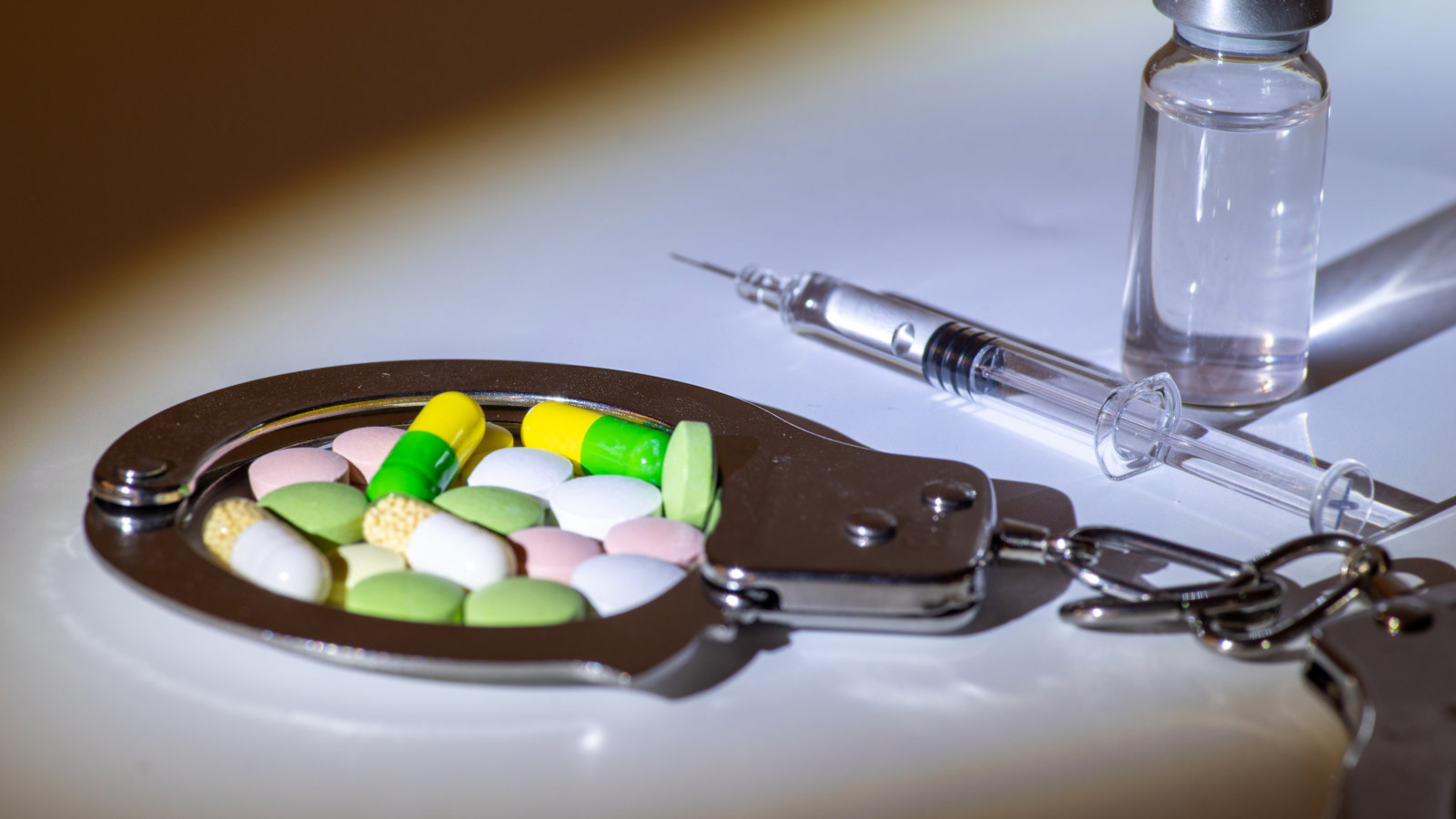
01 / Urine test
Urine testing, which uses a urine test board to detect whether suspected drug users have taken drugs, is one of the commonly used methods for drug detection at present because the concentration of most drugs and their metabolites is relatively high in urine, and it has the advantages of fast detection speed, convenient detection, easy sample carrying and low detection cost. However, the results of urine tests are not used in judicial trials.
The principle of a urine test strip is similar to that of a pregnancy test strip. When the content of drug metabolites in the sample urine reaches the detection limit, it binds to the limited antibodies with colored tiny particles attached to the permeable membrane, thereby preventing them from binding to the antigen in the test area (T-line area), and no precipitated color band will appear in the T-line area. In simple terms, the horizontal bar is positive and the parallel bar is negative.
The maximum validity period of a urine test is one week. The best time to conduct the test is within 24 hours after taking drugs. In this case, it is possible that a drug addict took drugs a week ago, but the urine test shows that they have not taken drugs.
At the same time, urine testing also has other drawbacks. Urine test samples are relatively dirty, and the sampling process is rather awkward. The people being tested usually have a resistant mentality. Moreover, urine samples may be adulterated, swapped, or have cross-reactions with commonly used legal drugs, leading to incorrect or missed sampling. Therefore, when urine testing is used as the initial screening and drug detection step by public security departments, it is often supplemented by hair testing for secondary drug test, which can make up for the shortcomings of urine testing such as timeliness. In addition, urine testing is also widely applied in scenarios such as military conscription, drug rehabilitation centers, reeducation through labor centers, home monitoring, and community drug rehabilitation.
02 / Blood test
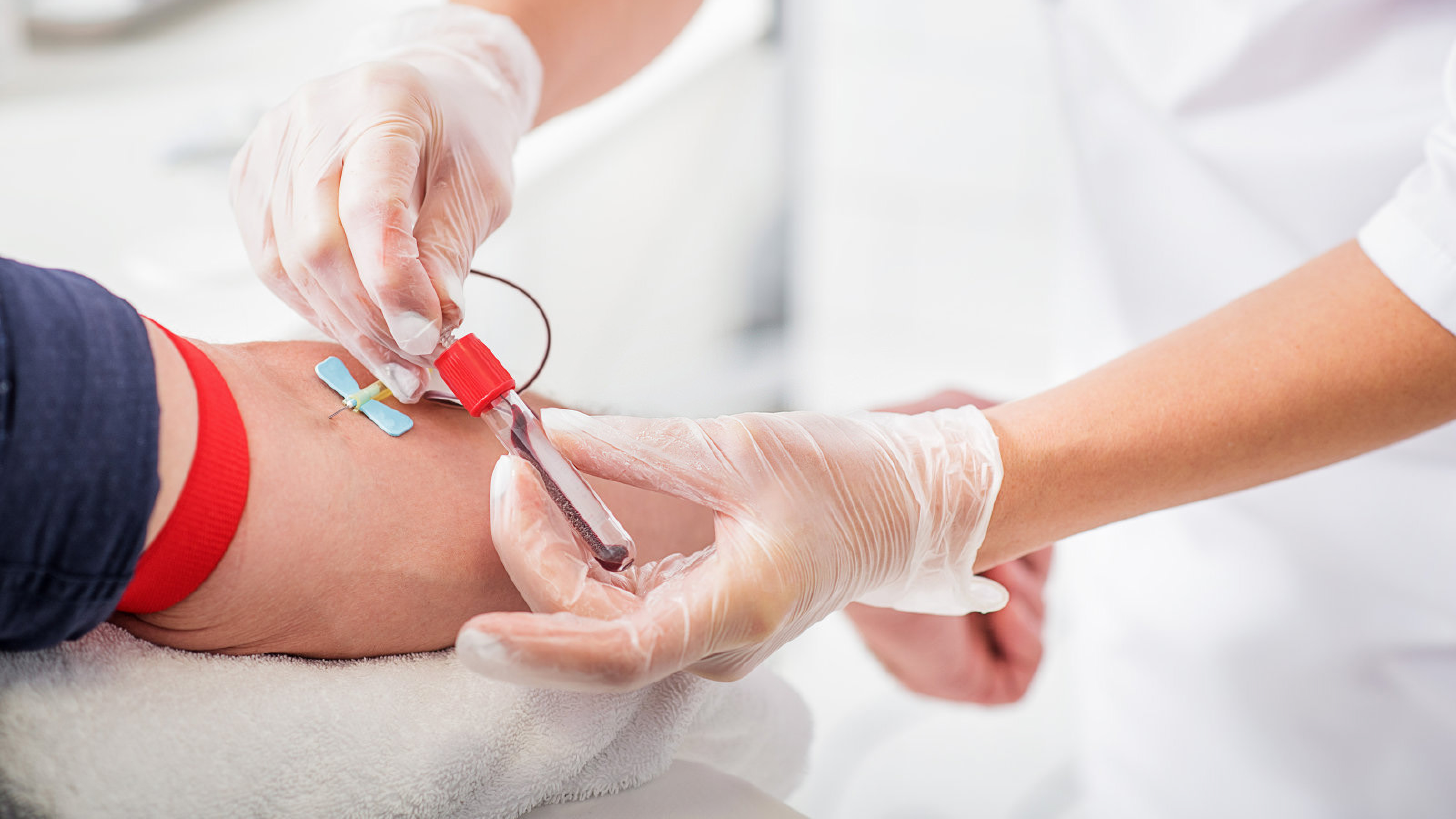
Blood testing is currently the most expensive and relatively accurate detection method. Apart from urine, the concentration of drugs and their metabolites in the blood is usually high in a short period of time, and the actual dosage of the drug can also be tested from it.
The application and timeliness of blood tests in drug use detection vary due to multiple factors. Generally speaking, the detection period for drug residues in blood can range from a few hours to a month, depending on the type and dosage of the drug, the individual’s metabolic rate, and the detection method.
Although the professional level of blood testing is relatively high, if the blood is stored for too long after collection, it may result in the sample being unusable. In addition, blood testing is an invasive sampling method. Many drug users may carry certain infectious disease viruses themselves, and the blood collection process poses certain risks to the operators.
In addition, due to the high cost of blood testing equipment and the high testing expenses, only provincial forensic toxicology judicial appraisal institutes with forensic toxicology judicial appraisal qualifications in China are generally equipped with such equipment. Therefore, individuals and public security departments rarely use this type of testing method for on-site testin
03 / Hair detection
Hair testing is an effective way to detect drug addicts. In recent years, it has become common for entertainers in the entertainment industry to use it to prove that they have no history of drug abuse. It can generally detect drug users for 15 days to half a year or even longer, and can be used for drug history testing, drug addiction determination testing, etc. On April 1, 2017, the Ministry of Public Security announced and implemented the new “Method for Identifying Drug Addiction”, which for the first time stipulated that the detection of drugs in hair would be the standard for identifying drug addiction.
The principle of hair testing lies in the fact that the main component of human hair is keratin. After a person takes drugs, the drugs will participate in the body’s metabolism, and the metabolic products of the drugs will enter the keratin of the newly grown hair. For the hair that has already grown, the metabolites of drugs can also enter the human body through sweat glands or sebum secretion. Therefore, the situation of drug use can be judged from the hair.
Compared with traditional blood and urine tests, hair testing has unique advantages such as long detection time, comprehensive information on drugs consumed, easy sample collection, preservation and repeated sampling, and non-invasive sampling. At the same time, hair testing has a wider range of applications. It is not only applicable to hair but can also be used for hair testing on any part of the body (including but not limited to leg hair, arm hair, nose hair, eyebrows, and hair). When taking hair samples, it is not affected by dyeing or perming.
The results of hair testing are accurate, and the test reports are often applied in judicial investigation processes and court trials. Hair detection can be applied for drug testing in various scenarios such as drug enforcement sites, large-scale drug-related screenings, re-examinations of recovered individuals, and random checks at transportation hubs. However, due to the relatively slow growth rate of hair, which usually grows at a rate of 1-1.2cm, the hair absorption situation within the past 15 days cannot be reflected through hair testing under normal circumstances. When conducting the first test on personnel, it should be combined with urine tests for a more comprehensive identification.
04 / Saliva test
Saliva, as an ultrafiltration fluid, contains free drug components. Therefore, many drugs, such as marijuana, methamphetamine, and ecstasy, can be detected through saliva.
Saliva testing is more sensitive than urine testing and also has the advantages of being convenient and fast to operate. Compared with urine testing, drug saliva testing is more easily accepted by the person being tested and is not restricted by location or gender. However, saliva testing also has the characteristics of being dirty and prone to contamination by food, chewing gum, cigarettes, and conventional medications, which leads to unstable test results and ultimately errors.
The sample materials for saliva testing are similar to those for urine testing, using saliva test boards or detectors. However, the traceability period is shorter than that of urine testing, only 24 hours. Therefore, saliva testing is generally used for drug driving checks, while in other scenarios, saliva testing is less frequently employed as a drug detection solution.
05 / Iris Detection
Different from traditional blood tests and urine tests, iris detection is a more advanced drug detection technology. It can be completed in just a few seconds. Due to its significant advantages such as speed, non-invasiveness, time-saving for detection, and zero consumables, it has become a powerful drug detection tool for large-scale drug enforcement and screening.
Iris detection is based on the physiological feature that the iris of drug users undergoes relatively obvious changes within 6 minutes to 48 hours after drugs enter the human body. It uses AI training algorithms to learn the iris change characteristics of drug users and non-drug users, effectively identifying drug users.
Iris characteristics of different types of drugs:
For drugs that inhibit the central nervous system, such as barbiturates, benzodiazepines, opioid drugs like opium, heroin, morphine, and y-hydroxybutyric acid (GHB), after taking these drugs, the iris and pupil become smaller and photophobia occurs, the eyes become cloudy and dull, and the muscle contractions are slow.
After taking stimulant drugs (methamphetamine, cocaine, ecstasy), the iris and pupil will dilate, and the eye muscles will expand more rapidly.
Hallucinogenic drugs (such as ketamine, tetrahydrocannabinol, cannabidiol, rescarine, ergodicarboxylic acid diacetamide (LSD), synthetic cannabinoids, cactus toxins, etc.) can cause iris dilation and conjunctival congestion. Users may experience symptoms similar to “red eyes”, looking dull or agitated and irritable.
Post time: Dec-09-2025