

What Are Blood Lipids?
Blood lipids refer to a collective group of substances in serum, including cholesterol, triglycerides, and complex lipids like phospholipids. Clinically, cholesterol and triglycerides are the most relevant. Since lipids are insoluble in water, they must bind to special proteins called apolipoproteins (Apo) to form lipoproteins, which can travel through the bloodstream to tissues for metabolism. Lipoproteins are classified by size and density: low-density lipoproteins (LDL), high-density lipoproteins (HDL), triglyceride-rich lipoproteins such as chylomicrons and very-low-density lipoproteins (VLDL), and intermediate-density lipoproteins. Each type has distinct physical properties, compositions, origins, and functions in the body.
The Hidden Dangers of Lipid Imbalance
While blood lipids are essential for normal bodily function, their transport patterns and the ratio of different lipoproteins directly reflect metabolic health and cardiovascular risk. The core harm of dyslipidemia lies in its acceleration of atherosclerosis—the buildup of fatty plaques on artery walls that narrows or blocks blood vessels. This process can lead to coronary artery disease, angina, and myocardial infarction when affecting the heart, or cerebral infarction and hemorrhage when affecting the brain. Beyond cardiovascular issues, lipid disorders can also cause fatty liver, gallstones, and acute pancreatitis, making them a systemic metabolic threat.
Is a “Normal” Four-Panel Lipid Test Enough?
A common misconception is that normal results on a standard lipid panel (total cholesterol, LDL-C, HDL-C, triglycerides) equal healthy blood vessels. This is far from the truth. Clinical data shows that approximately 50% of patients with confirmed coronary artery disease have normal routine lipid levels, and 40% of people with normal lipids still have one or more arterial plaques. This limitation is especially pronounced for high-risk groups: those with established atherosclerotic cardiovascular disease (ASCVD), especially recent acute events; people with metabolic conditions like diabetes, obesity, metabolic syndrome, or chronic kidney disease (even if their LDL-C is at target); and patients on statin therapy who still experience cardiovascular events or plaque progression despite controlled LDL-C. For these groups, more precise testing is needed to identify hidden risks.
The Power of Lipid Subfraction Testing
To illustrate the difference: think of blood vessels as highways and lipids as vehicles. A standard lipid test only counts “traffic volume,” whereas lipid subfraction testing identifies the “size and weight” of vehicles—specifically, small, dense LDL particles that are most likely to cause atherosclerosis. These dangerous particles include non-HDL-C, VLDL, intermediate-density lipoprotein (IDL), remnant lipoprotein cholesterol (RLP-C), LDL particle number (LDL-P), and LDL subfractions 3-7. Research shows these particles increase atherosclerosis risk by more than threefold.
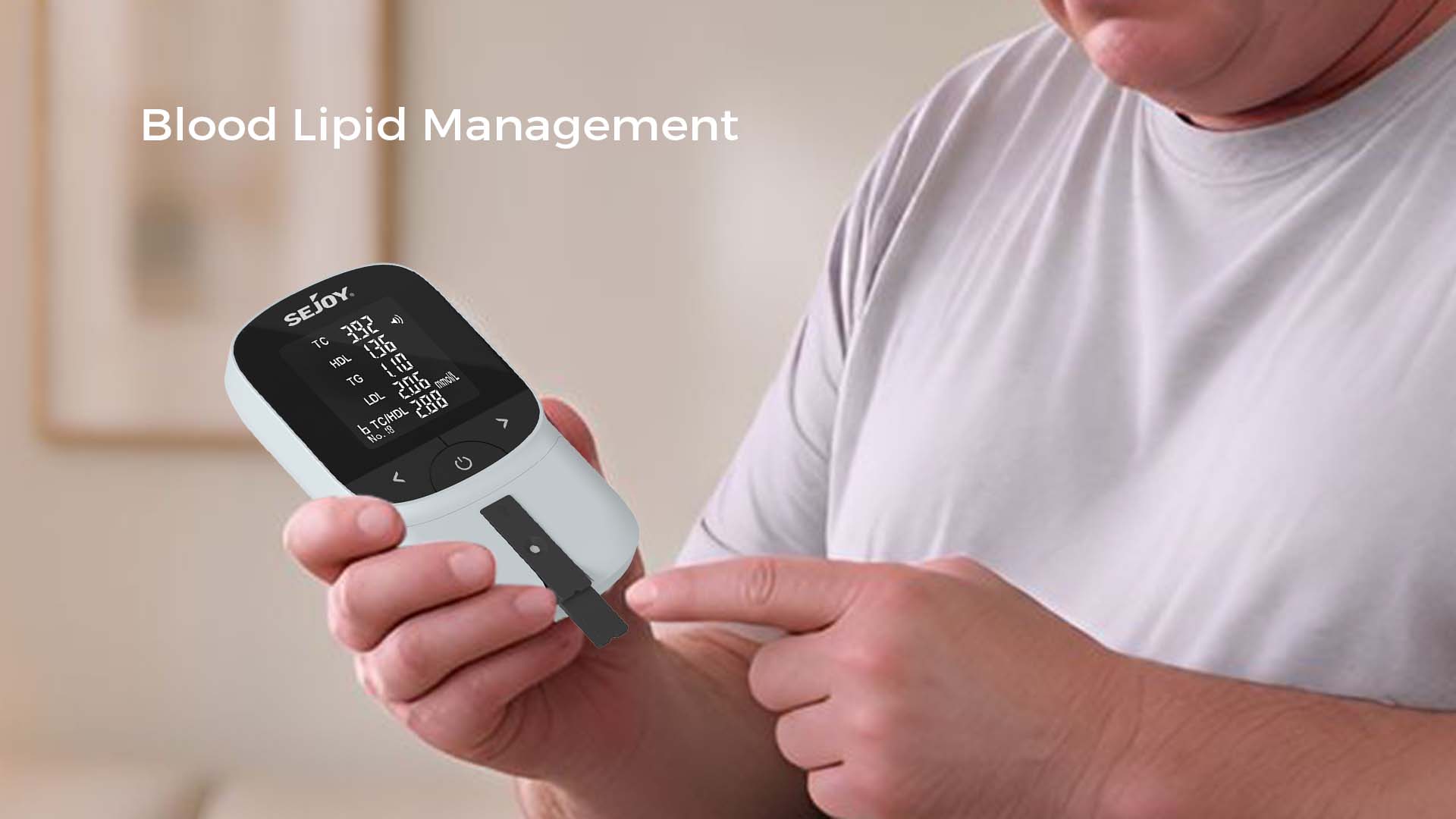
Lipid subfraction testing offers several key advantages: it helps diagnose the root cause of lipid disorders in cardiovascular patients, identifies residual risk even when standard targets are met, evaluates the effectiveness of interventions, classifies lipid abnormalities in people with metabolic syndrome, and enables early detection before symptoms appear. This is where a modern blood lipid analyzer plays a critical role. A high-quality lipid profile can deliver rapid, accurate subfraction results, empowering clinicians and patients to make informed decisions. Whether in a clinic or at home, a portable blood lipid analysis meter makes regular monitoring more accessible, supporting long-term management and early intervention.
Testing Frequency and Smart Indicator Selection
To stay on top of lipid health, guidelines recommend:
Starting at age 20: a basic four-panel lipid test every 2–3 years.
Age 40 and above: annual lipid subfraction testing (over 40% of adults aged 40–59 have dyslipidemia).
People with diabetes, hypertension, obesity, or a family history of cardiovascular disease: add subfraction testing along with ApoB and lipoprotein(a) (Lp(a)).
Before blood draws: avoid alcohol, high-fat/high-sugar foods, and strenuous exercise; sit quietly for 5 minutes to reduce pre-analytical errors.
For initial abnormal results: repeat fasting lipids after 1–2 weeks and use the average value to account for biological variation.
For those on statins: wait 4 weeks after dose adjustments before retesting, as earlier results may underestimate the drug’s effect.
Reading a lipid report should go beyond checking for arrow markers. Choosing the right tests, aligning targets with individual risk levels, and achieving personalized control are the keys to success. Dyslipidemia is manageable and treatable. Through healthy eating, regular exercise, weight control, early screening, and consistent monitoring, we can significantly reduce the risk of adverse cardiovascular events. By understanding our lipid profile and leveraging advanced tools like precise testing, we take a vital step toward protecting our own health and that of our families.
Post time: Nov-06-2026