

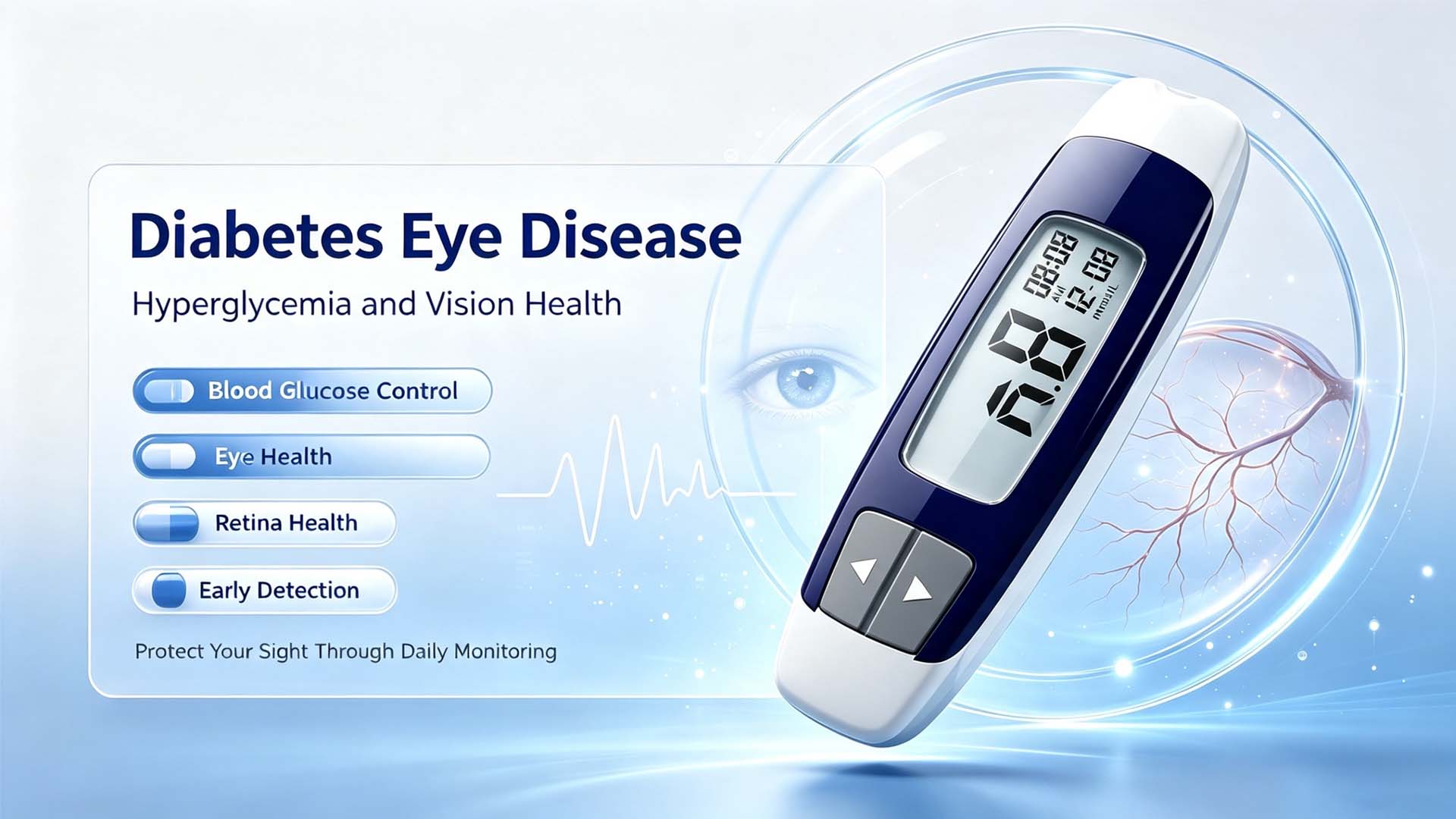
High blood glucose is often called the “silent killer” for a reason: it slowly damages multiple organs in the body without obvious early symptoms, and the eyes are one of the earliest and most commonly affected sites. For people living with diabetes, regular monitoring with automatic blood glucose meter is the first line of defense against hyperglycemia-induced complications, including eye damage. Many people do not realize that even transient high blood glucose can cause subtle changes to the tiny blood vessels in the retina, and by the time vision problems appear, the damage is often already severe.
Diabetes-related eye disease encompasses a range of conditions, from diabetic retinopathy to cataracts and glaucoma, all of which are directly driven by long-term uncontrolled hyperglycemia. When blood glucose levels remain elevated for extended periods, the excess glucose reacts with proteins in the blood vessel walls, causing them to become stiff, narrow, and leaky. In the retina, the light-sensitive tissue that converts light into visual signals for the brain, this damage disrupts the steady supply of oxygen and nutrients. Over time, abnormal new blood vessels grow on the surface of the retina, which can bleed into the vitreous gel of the eye, cause scarring, and even lead to permanent blindness if left untreated. The good news is that early intervention through tight glucose control can slow or even stop the progression of this damage. That is why regular blood glucose checks, whether done with a glucose meter at home or through lab tests at a clinic, are critical for catching hyperglycemia before it damages the eyes. Many studies have shown that people who check their blood glucose at least four times a day and adjust their medication or lifestyle accordingly have a 50% lower risk of developing advanced diabetic retinopathy compared to those who check only occasionally.
Lifestyle adjustments also play a key role in protecting eye health alongside best blood glucose meter. Diets high in processed glucoses and saturated fats can cause sudden spikes in blood glucose, putting extra stress on retinal blood vessels. Regular exercise, on the other hand, improves insulin sensitivity and helps keep blood glucose levels stable. Even small changes, like swapping glucosey sodas for water or taking a 30-minute walk after dinner, can make a significant difference in long-term glucose control. For people who already have early signs of diabetic eye disease, maintaining glucose within the target range can prevent the condition from worsening and preserve vision for decades. It is important to note that hyperglycemia can damage the eyes even when a person does not feel any symptoms, so annual eye exams are recommended for all people with diabetes, even if their vision seems fine.
In conclusion, the link between hyperglycemia and diabetic eye disease is clear: long-term elevated blood glucose is the primary cause of vision loss in working-age adults around the world. The key to preventing this devastating complication is consistent, proactive glucose management. Checking your blood glucose regularly with a glucose meter, keeping levels within your doctor’s recommended range, getting annual eye exams, and maintaining a healthy lifestyle can all help you protect your vision while managing diabetes. Taking a few minutes each day to monitor your glucose is a small investment that pays off with a lifetime of clear sight and better overall health.
Post time: Aug-31-2026