

For people living with diabetes, high blood glucose is more than just a temporary health concern—it can escalate into a life-threatening emergency known as diabetic ketoacidosis (DKA). This acute complication occurs when the body lacks enough insulin to convert glucose into energy, forcing it to break down fat for fuel, which produces acidic byproducts called ketones. Left untreated, DKA can lead to coma or even death, making early detection and intervention critical. For individuals managing diabetes, regular monitoring with a blood glucose analyzer is the first line of defense against this silent threat, as it allows for early detection of rising blood glucose levels before they spiral into a crisis.
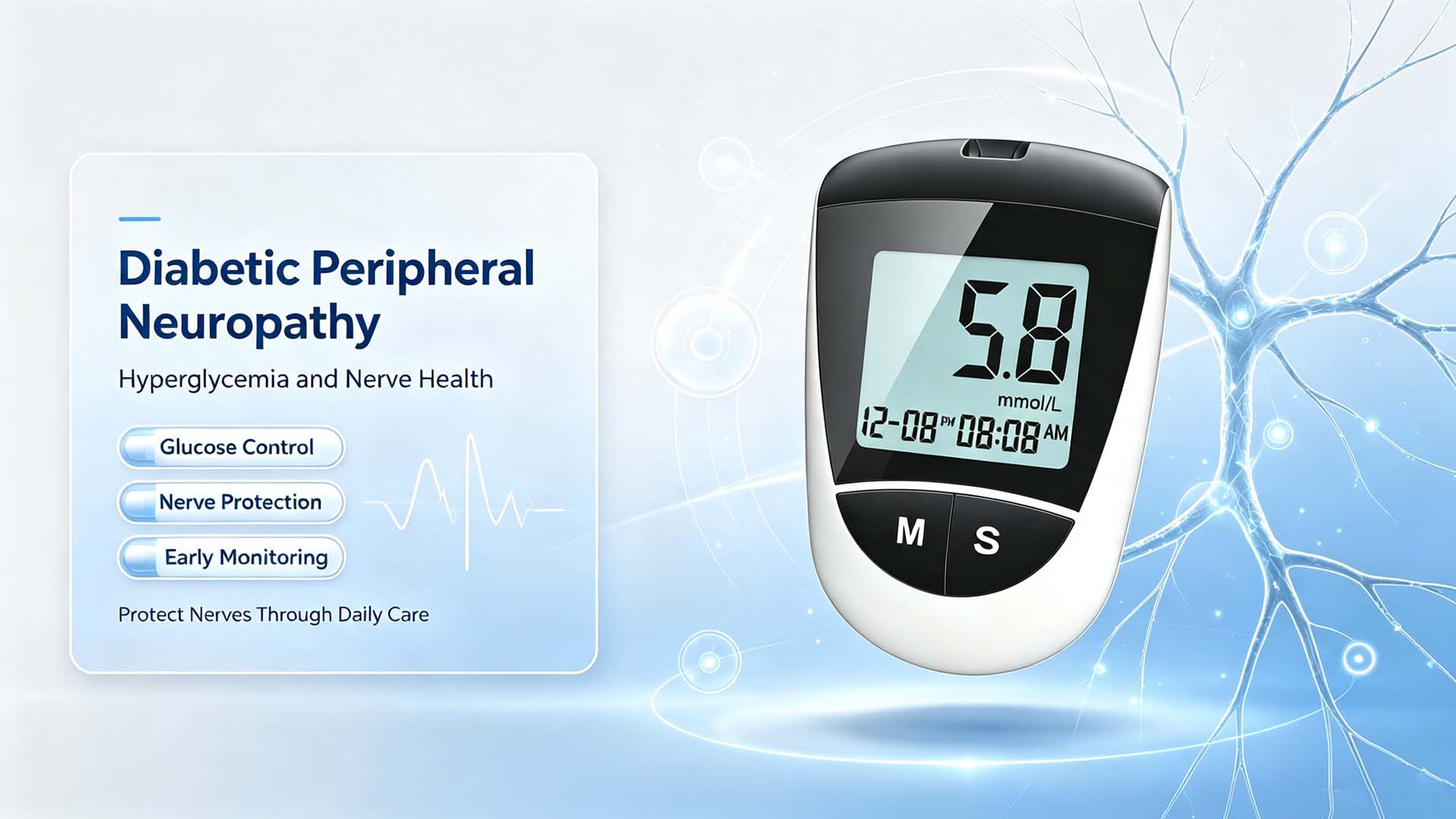
DKA typically develops when blood glucose levels soar above 250 mg/dL, often triggered by missed insulin doses, illness, or other stressful events. When insulin is insufficient, glucose cannot enter cells to be used as energy, causing it to accumulate in the bloodstream. At the same time, the liver begins breaking down fat stores to compensate, releasing ketones into the blood. As ketones build up, they make the blood more acidic, disrupting the body’s delicate chemical balance. Early symptoms of DKA include excessive thirst, frequent urination, fatigue, and nausea, but these can quickly progress to abdominal pain, rapid breathing, fruity-smelling breath, and confusion. What makes DKA particularly dangerous is that it can develop rapidly, sometimes within just a few hours. This is why consistent blood glucose monitoring is essential—using a glucose meter to check levels multiple times a day, especially during illness or periods of stress, can help identify hyperglycemia before it leads to DKA. Studies show that individuals who maintain tight control of their blood glucose through regular monitoring and adherence to treatment plans are 60% less likely to experience DKA compared to those with inconsistent management.
Preventing DKA requires a combination of proactive monitoring, proper medication use, and healthy lifestyle habits. For people with type 1 diabetes, insulin is not optional—it is a life-saving medication that must be taken as prescribed, even when feeling well. For those with type 2 diabetes, maintaining a healthy diet, engaging in regular physical activity, and taking oral medications or insulin as directed can help keep blood glucose levels stable. It is also important to be aware of the warning signs of DKA and seek medical attention immediately if they occur. In addition to regular monitoring with a glucose meter, individuals should also learn how to test for ketones, as elevated ketone levels in the blood or urine are a key indicator of impending DKA. By staying vigilant and taking action at the first sign of trouble, people with diabetes can significantly reduce their risk of developing this life-threatening complication.
In conclusion, diabetic ketoacidosis is a serious and potentially fatal complication of diabetes that is closely linked to uncontrolled hyperglycemia. While DKA can be terrifying, it is also largely preventable through proper diabetes management. Regular monitoring with a glucose meter, adherence to medication regimens, and prompt attention to symptoms are all critical steps in preventing DKA. By taking these measures, individuals with diabetes can protect their health and avoid the emergency room visits and hospitalizations associated with this condition. Remember, when it comes to DKA, early detection is key—and a simple glucose meter check could be the difference between a minor health issue and a life-threatening crisis.
Post time: Sep-04-2026