

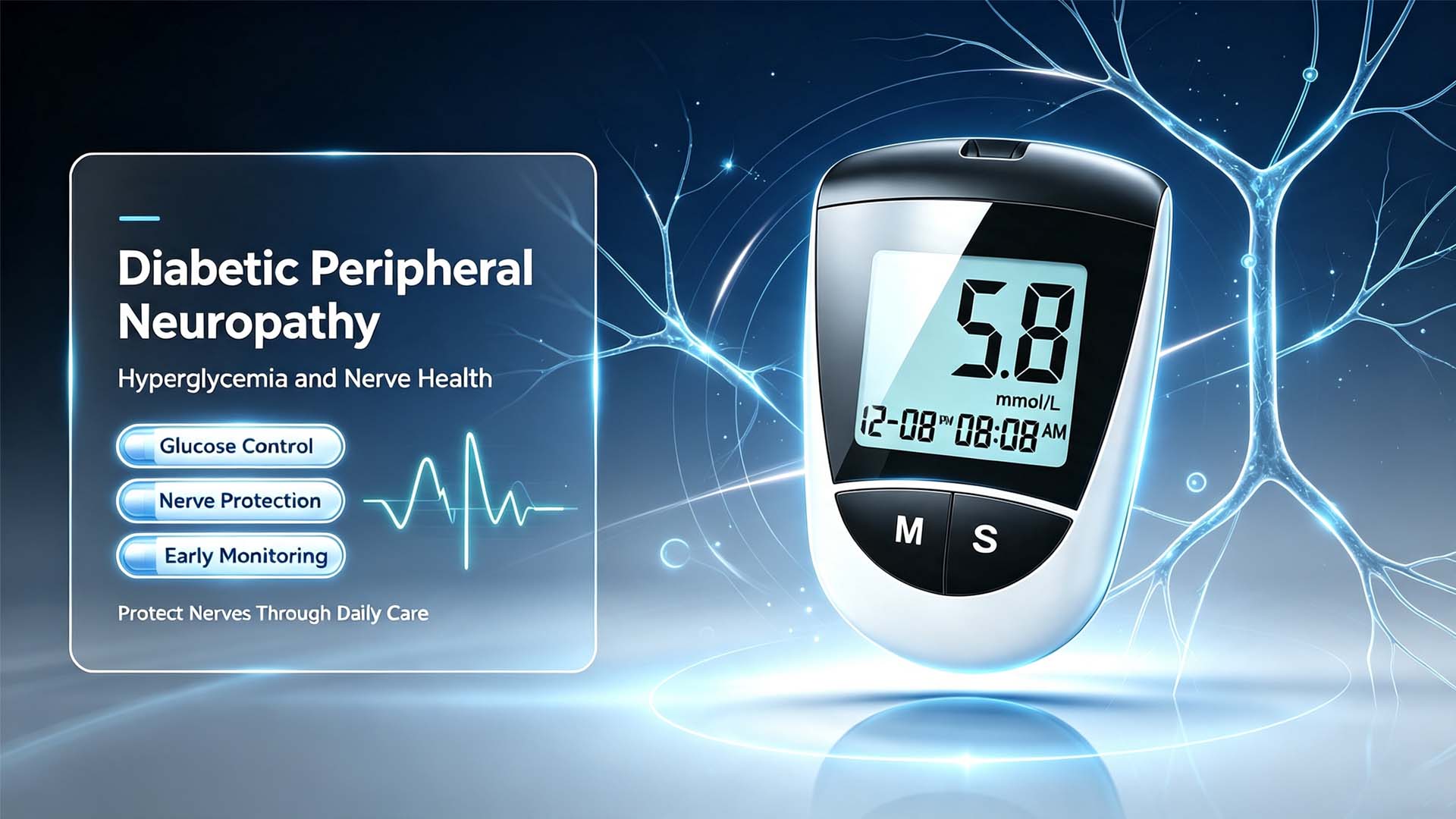
For the millions of people living with diabetes, high blood glucose is more than just a number on a medical chart—it is a silent force that can slowly erode the body’s most delicate systems, including the network of nerves that connect the brain to every organ and limb. Diabetic peripheral neuropathy (DPN), a common and often debilitating complication, is directly tied to long-term uncontrolled hyperglycemia, making regular monitoring with a glucose meter an essential part of prevention. Many individuals underestimate the damage even mild, persistent high blood glucose can cause to nerve fibers, and by the time symptoms like numbness or pain appear, irreversible harm may have already occurred.
DPN develops when elevated blood glucose levels damage the tiny blood vessels that supply oxygen and nutrients to peripheral nerves. Over time, this starves the nerve cells, impairing their ability to transmit signals between the brain and the rest of the body. The most common symptoms include tingling, burning, or numbness in the hands and feet, often starting in the toes and gradually spreading upward. In severe cases, DPN can lead to loss of sensation, making it difficult to detect injuries or infections—conditions that can ultimately result in amputations if left untreated. What makes this complication particularly insidious is that it can progress for years without noticeable symptoms, highlighting the critical need for proactive glucose management. Regularly checking blood glucose levels with a glucose meter allows individuals to identify and address hyperglycemia before it causes lasting nerve damage. Studies have shown that maintaining tight blood glucose control can reduce the risk of developing DPN by up to 60% and slow its progression in those already affected.
Beyond glucose monitoring, lifestyle modifications play a pivotal role in preventing and managing DPN. A diet rich in fiber, whole grains, and lean proteins helps stabilize blood glucose levels, reducing the spikes that contribute to nerve damage. Regular physical activity improves insulin sensitivity, allowing cells to use glucose more effectively and lowering overall blood glucose levels. Quitting smoking and limiting alcohol consumption are also important, as both can worsen nerve damage by reducing blood flow to peripheral tissues. For those already living with DPN, treatments like pain medications, physical therapy, and nerve stimulation can help manage symptoms, but the most effective strategy remains preventing or slowing the underlying nerve damage through strict glucose control. This requires consistent self-monitoring, whether through daily checks with a glucose meter or continuous glucose monitoring systems, to ensure blood glucose levels stay within the target range recommended by healthcare providers.
In conclusion, diabetic peripheral neuropathy is a devastating complication of diabetes that is largely preventable with proper glucose management. The link between hyperglycemia and nerve damage is clear: every spike in blood glucose takes a toll on the body’s delicate nerve fibers, and over time, this damage can lead to chronic pain, disability, and even amputation. By prioritizing regular blood glucose monitoring with a glucose meter, making healthy lifestyle choices, and working closely with healthcare providers to maintain tight glucose control, individuals with diabetes can significantly reduce their risk of developing DPN and preserve their quality of life. Remember, the key to protecting your nerves lies in small, consistent actions—checking your blood glucose daily, making mindful food choices, and staying active—that add up to long-term health and well-being.
Post time: Sep-02-2026