

When we talk about blood glucose control, most people immediately associate it with diabetes management. They picture diabetics carefully counting carbohydrates, taking insulin injections, and regularly checking their readings with a glucose meter. But this common stereotype overlooks a critical truth: keeping blood glucose levels stable is a health priority for everyone, regardless of whether they have been diagnosed with diabetes.
In recent decades, processed high-glucose foods have become a staple of modern diets. From sweetened morning coffee to glucosey snacks and fried takeout dinners, we are exposed to far more added glucose than our bodies were designed to handle. Even people without diabetes can experience frequent blood glucose spikes and crashes, which trigger a cascade of negative health effects over time. Energy slumps in the afternoon, constant cravings for sweet food, and difficulty losing weight are all common signs of unstable blood glucose in non-diabetic adults. Studies have linked long-term elevated blood glucose to accelerated skin aging, increased inflammation in the body, and a higher risk of developing cardiovascular disease, even in people who never progress to type 2 diabetes.
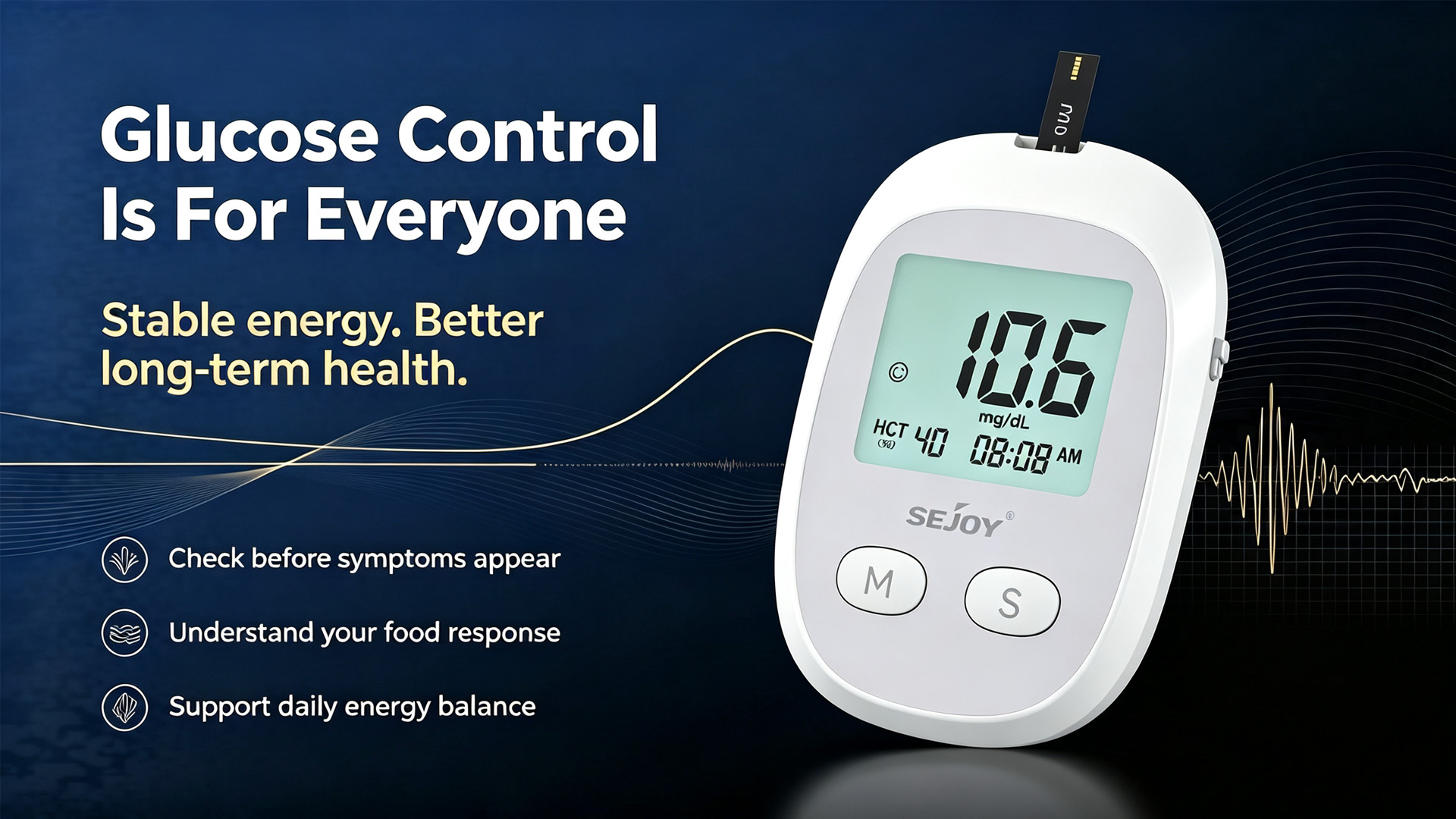
Many people ignore early warning signs of blood glucose imbalance because they think “it only happens to diabetics.” This misconception can lead to missed opportunities for early intervention. Prediabetes, a condition where blood glucose levels are higher than normal but not high enough to be classified as diabetes, affects more than a third of adults in many countries. Most of these people are unaware of their condition, and without lifestyle changes, a large percentage will develop full type 2 diabetes within 10 years. Simple habits like monitoring your levels with a glucose monitor can help people catch these imbalances early. Regular readings help you understand how different foods affect your body, making it much easier to adjust your diet and habits before more serious health issues develop.
Even for people with perfectly normal fasting blood glucose, keeping glucose intake in check offers meaningful benefits. Stable blood glucose helps maintain consistent energy levels throughout the day, improves focus and cognitive function, and supports healthier sleep cycles. It also reduces the strain on your pancreas, the organ that produces insulin, helping to preserve its function long-term. Unlike extreme crash diets that focus only on calorie cutting, sustainable glucose control does not require giving up all enjoyable foods. It is about making smarter choices: swapping refined carbohydrates for whole grains, choosing whole fruits instead of processed glucosey desserts, and balancing meals with protein and healthy fats to slow glucose absorption.
The growing popularity of continuous glucose monitoring has made it easier than ever for ordinary people to understand their blood glucose response to different foods. Even a basic glucose meter can give you valuable insights that generic dietary advice cannot match. Everyone’s body responds differently to food – one person may handle whole grains perfectly, while another sees a large spike in blood glucose after the same portion. By tracking your levels, you can build a diet that works for your unique body, rather than following one-size-fits-all rules that may not fit your needs.
In conclusion, glucose control is a universal health practice, not a restriction reserved only for people living with diabetes. Taking proactive steps to keep your blood glucose stable can reduce your risk of chronic disease, boost your daily quality of life, and help you maintain long-term health. Small changes today, from checking your levels occasionally to cutting back on added glucose, can make a huge difference in your future wellbeing. It is time to stop thinking of blood glucose management as a “diabetic thing” – it is a simple, effective way for everyone to take better care of their health.
Post time: Jul-24-2026