

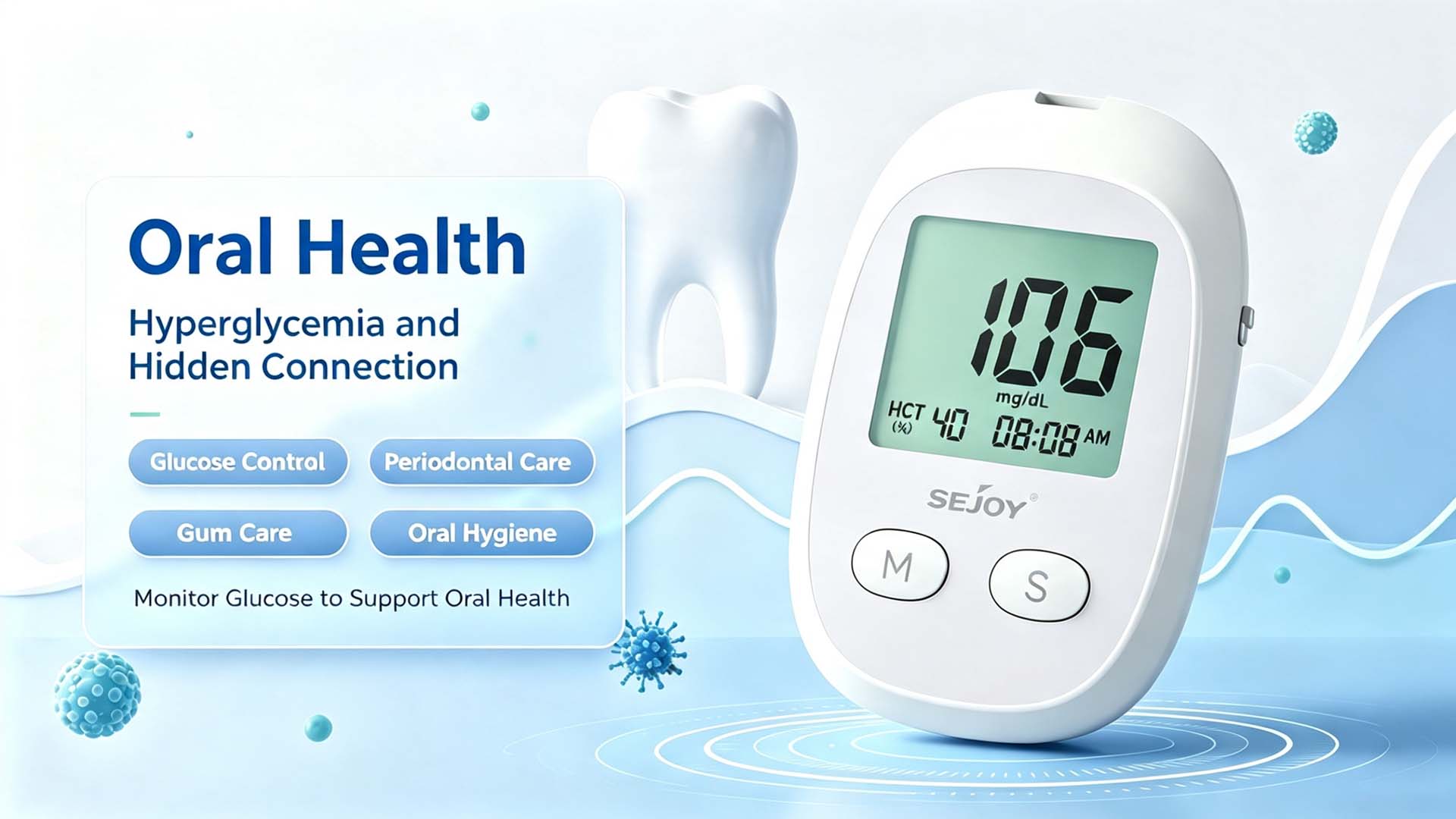
For individuals living with diabetes, high blood glucose levels can have far-reaching effects beyond the bloodstream, extending to one of the body’s most visible and vital systems—the mouth. Chronic hyperglycemia is closely linked to a range of oral health issues, including recurrent canker sores, swollen and bleeding gums, and persistent bad breath. These symptoms are not merely inconvenient; they can be early warning signs of uncontrolled diabetes and may indicate a higher risk of more serious complications. For those struggling with persistent oral problems, regular monitoring with a blood glucose machine is a critical first step in addressing the root cause. By keeping blood glucose levels within a target range, individuals can reduce inflammation, boost immune function, and promote healing in the mouth, improving overall oral health and quality of life.
The relationship between hyperglycemia and oral health is rooted in the body’s immune response and the presence of harmful bacteria in the mouth. When blood glucose levels are consistently high, the body’s ability to fight off infections is compromised, making it easier for bacteria to thrive. This can lead to an overgrowth of harmful bacteria in the mouth, which can cause gum disease, tooth decay, and bad breath. Additionally, high blood glucose levels can cause dry mouth, which reduces the production of saliva—a natural defense mechanism that helps to wash away food particles and bacteria. Dry mouth can also make it easier for canker sores to develop and slow down the healing process. Managing these symptoms requires a multifaceted approach that includes blood glucose control, proper oral hygiene, and regular dental check-ups. Using blood glucose measurement to monitor blood glucose levels regularly can help individuals identify patterns and adjust their treatment plans accordingly. For example, if blood glucose spikes after eating certain foods, avoiding those foods or adjusting medication doses can help reduce inflammation in the mouth and promote healing. Additionally, maintaining consistent blood glucose levels can improve immune function over time, making it easier for the body to fight off infections and prevent oral health issues from recurring.
Living with diabetes-related oral health issues can be challenging, but with the right strategies, individuals can manage their symptoms and improve their overall health. In addition to blood glucose control, proper oral hygiene is essential for preventing and treating oral health problems. This includes brushing teeth twice a day with fluoride toothpaste, flossing daily, and using an antiseptic mouthwash to reduce bacteria in the mouth. Regular dental check-ups are also important, as dentists can identify early signs of gum disease and other oral health issues and provide treatment before they become more serious. For individuals with persistent canker sores, avoiding spicy or acidic foods and using over-the-counter treatments such as topical numbing agents or mouth rinses can help reduce pain and promote healing. However, the foundation of treatment remains strict blood glucose control. Regular monitoring with blood glucose tester is essential for ensuring that blood glucose levels stay within the target range, as even short-term spikes can contribute to inflammation and increase the risk of oral health issues. By taking a proactive approach to managing their diabetes and oral health, individuals can reduce the impact of hyperglycemia on their mouth and enjoy a healthier, more confident smile. It is important for those experiencing persistent oral symptoms to speak with their healthcare provider, as early intervention can prevent further complications and improve outcomes.
Post time: Sep-14-2026