

Pregnancy is a special journey full of anticipation and challenges in a woman’s life. While new life is being nurtured in the body, many pregnant women also encounter a common problem – a decline in sleep quality. Tossing and turning, having difficulty falling asleep, waking up frequently at night, feeling tired and sleepy during the day… These seemingly ordinary sleep problems are actually mostly normal phenomena caused by physiological changes during pregnancy. Pregnant women do not need to be overly anxious. By understanding the underlying reasons and dealing with them scientifically, they can regain a peaceful sleep. pregnancy test hcg
I. Common Causes of Decreased sleep Quality during Pregnancy
Changes in respiratory function
As the gestational weeks increase, the uterus gradually enlarges and presses upward against the diaphragm, causing the space in the chest cavity to be compressed, restricting the expansion of the lungs, and both the depth and amplitude of breathing will be affected. At the same time, during pregnancy, hormonal fluctuations in the body can cause thickening, congestion and edema of the upper respiratory tract mucosa, making the respiratory passage relatively narrow. Pregnant women are prone to breathing difficulties and snoring during sleep, which in turn interferes with the continuity of sleep.
Fluctuations in hormone levels
The large amounts of estrogen and progesterone secreted by the placenta not only support the growth and development of the fetus but also have an impact on the respiratory regulatory system. Among them, progesterone directly acts on the respiratory center, stimulating an increase in respiratory rate and ventilation volume, making the respiratory regulation mechanism unstable. This change may not be easily noticed when one is awake, but once falling asleep, the body’s self-regulation ability declines, and the breathing rhythm becomes more prone to imbalance, leading to frequent awakenings during sleep.
Changes in airway structure
In the late stage of pregnancy, the cross-sectional area of the upper airway of pregnant women will be significantly smaller than that before pregnancy. About 42% of pregnant women will experience symptoms such as nasal mucosa congestion and rhinitis, which can lead to obstruction of nasal ventilation. At the same time, the accumulation of fat under the neck caused by weight gain during pregnancy may also increase the risk of airway collapse, raise the incidence of sleep apnea, and make sleep intermittent.
The sleep structure is disrupted
In addition to physiological changes, pregnant women also face many practical troubles: the protruding abdomen restricts sleeping positions, and back pain makes it difficult to find a comfortable sleeping position. Fetal activity is frequent, especially at night when fetal movements may directly wake up the pregnant mother. The increase in nocturia caused by the uterus pressing on the bladder further cuts sleep into fragments. In addition, psychological stress such as anxiety about childbirth and concern for the health of the fetus can further affect sleep quality, creating a vicious cycle of “poor sleep – anxiety – even worse sleep”. one step pregnancy test
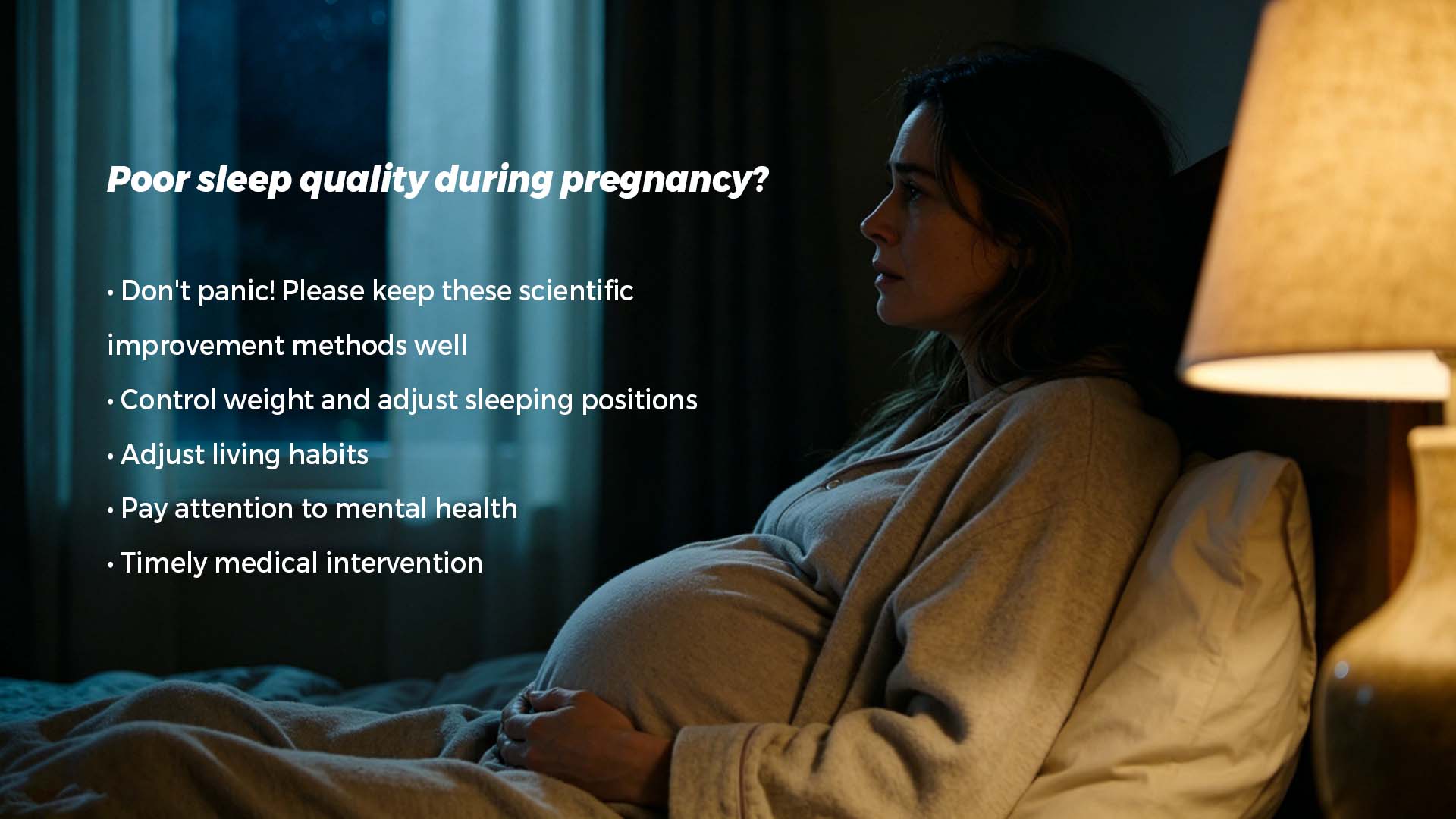
Ii. Practical Methods for Scientifically Improving Sleep During Pregnancy
Control weight and adjust sleeping positions
It is necessary to control weight gain during pregnancy reasonably and avoid excessive weight gain that would increase the burden on the body. When sleeping, try to avoid lying on your back. You can sleep on your left or right side. You can use maternity pillows or throw pillows to support your abdomen and waist and relieve the pressure on your body. Raising the head of the bed appropriately (about 15 to 30 degrees) can also relieve the pressure of the uterus on the diaphragm and improve breathing difficulties.
Adjust living habits
Taking a gentle walk or doing prenatal yoga during the day can help promote blood circulation and relieve physical fatigue. However, it is advisable to avoid vigorous exercise within three hours before going to bed. Try to reduce food and water intake two hours before going to bed and avoid getting up frequently at night. At the same time, stay away from electronic products such as mobile phones and computers to reduce the interference of blue light on sleep. You can relax your body and mind by soaking your feet, listening to soothing music, reading paper books and other ways to help your body fall asleep.
Pay attention to mental health
During pregnancy, emotions tend to fluctuate greatly. Expectant mothers should learn to actively regulate their emotions, communicate more with family and friends, and share their inner feelings. If anxiety seriously affects your life, you can seek the help of a professional psychological counselor. When necessary, one can also take appropriate breaks at home to reduce external pressure and create a relaxed environment for oneself. pregnancy test device
Timely medical intervention
If sleep problems seriously affect daily life, or if severe snoring, waking up at night due to suffocation, extreme daytime sleepiness and other conditions occur, one should seek medical attention promptly for examination to rule out the risk of diseases such as sleep apnea syndrome and receive scientific intervention under the guidance of a doctor.
The quality of sleep during pregnancy not only affects the health of the expectant mother herself, but also indirectly influences the development of the fetus. By understanding physical changes and adjusting lifestyles, most pregnant women can effectively improve their sleep conditions. May every pregnant woman have a good night’s sleep during this special journey and welcome the arrival of a new life.
Post time: Jun-21-2026