

In today’s society, with the increasing prevalence of diabetes, prediabetes has quietly become a “silent health killer” that affects hundreds of millions of people worldwide. It is like a warning sign on the road to diabetes, but many people ignore its existence until it develops into full-blown diabetes.
Prediabetes refers to a state where blood glucose levels are higher than normal but not yet high enough to meet the diagnostic criteria for diabetes. According to the diagnostic criteria of the American Diabetes Association (ADA), prediabetes is defined as a fasting blood glucose level between 5.6-6.9 mmol/L, a 2-hour postprandial blood glucose level between 7.8-11.0 mmol/L, or a glycated hemoglobin (HbA1c) level between 5.7%-6.4%. This stage is a critical window for intervention. If effective measures are taken in time, most people can reverse their blood glucose levels to normal and avoid developing diabetes.
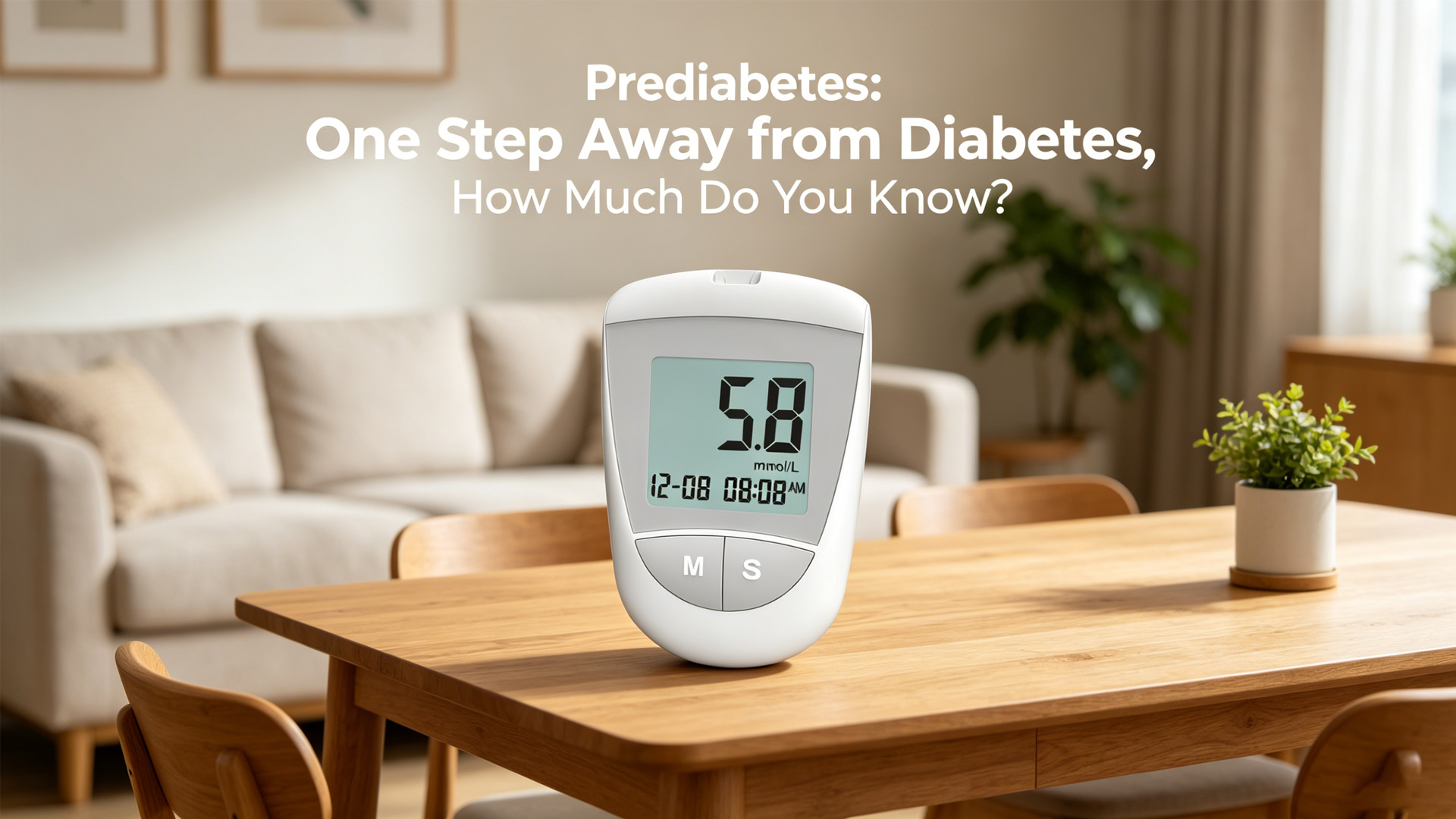
One of the insidious aspects of prediabetes is that it usually has no obvious symptoms. Many people only discover they have prediabetes during routine physical examinations or when they develop complications. This is why regular blood glucose testing is particularly important. For people at high risk, such as those over 45 years old, overweight or obese, with a family history of diabetes, or with a history of gestational diabetes, it is recommended to have their blood glucose checked at least once a year. A portable blood glucose meter can be a convenient tool for self-monitoring, allowing people to keep track of their blood glucose levels at home and detect any abnormalities early.
In addition to regular testing, lifestyle interventions are the cornerstone of prediabetes management. A balanced diet is crucial. It is recommended to reduce the intake of high-sugar, high-fat, and high-salt foods, and increase the consumption of vegetables, fruits, whole grains, and lean proteins. Regular physical activity is also essential. Aim for at least 150 minutes of moderate-intensity exercise per week, such as brisk walking, cycling, or swimming. Losing weight can significantly improve insulin sensitivity and reduce the risk of developing diabetes. Even a modest weight loss of 5%-7% of body weight can have a significant impact.
For some people with prediabetes, especially those with high blood glucose levels or multiple risk factors, medication may be necessary under the guidance of a doctor. Metformin, for example, has been shown to effectively reduce the risk of developing type 2 diabetes in people with prediabetes. However, medication should always be used in conjunction with lifestyle changes, not as a replacement.
It is important to note that prediabetes is not a life sentence. With early detection and appropriate intervention, it is possible to reverse the condition and prevent the development of diabetes. A continuous glucose monitor can provide more detailed information about blood glucose fluctuations throughout the day, helping people better understand how their diet, exercise, and other lifestyle factors affect their blood glucose levels. This information can be used to make more informed decisions about their health and adjust their lifestyle accordingly.
In conclusion, prediabetes is a serious health condition that requires our attention. By understanding its symptoms, risk factors, and management strategies, we can take proactive steps to protect our health and avoid the complications of diabetes. Remember, early detection and intervention are key. Don’t wait until it’s too late to take action.
Post time: Jul-04-2026