

Abnormal blood sugar levels are a key issue that requires close attention in prenatal health management. Among them, gestational diabetes mellitus (GDM) and preconception diabetes mellitus (PGDM) are two common types, but many pregnant women often confuse the concepts of the two. Understanding their differences and mastering scientific blood glucose monitoring methods are of vital importance for ensuring the health of mothers and infants.
1. GDM and PGDM: Just one character apart, with significant distinctions
1. The onset time and causes are different
Preconception diabetes mellitus (PGDM) : It exists before pregnancy, possibly discovered during the preconception period or diagnosed long ago. Its onset is related to factors such as genetics, obesity, and insulin secretion defects, and it falls within the category of chronic diseases.
Gestational diabetes mellitus (GDM) : The first abnormal blood glucose that occurs during pregnancy, usually detected through glucose tolerance screening between 24 and 28 weeks of gestation. The main cause is that the hormones secreted by the placenta during pregnancy lead to an increase in insulin resistance, preventing the body from effectively utilizing insulin.
2. There are differences in symptom manifestations
Patients with PGDM: Before pregnancy, they may have already experienced the typical symptoms of “three more and one less”, namely polydipsia, polyphagia, polyuria and weight loss. Some patients may also have complications such as fatigue and blurred vision.
GDM patients: Most have no obvious symptoms and are only found to have elevated blood sugar levels during prenatal check-ups. A few may experience mild thirst, frequent urination and other non-specific manifestations, which are easily overlooked.
3. Different diagnostic criteria
For PGDM, a diagnosis can be made when the fasting blood glucose before pregnancy is ≥7.0mmol/L, or the 2-hour postprandial blood glucose is ≥11.1mmol/L, or the glycated hemoglobin is ≥6.5%.
GDM: A 75g oral glucose tolerance test (OGTT) is conducted at 24-28 weeks of pregnancy. A diagnosis can be made if fasting blood glucose ≥5.1mmol/L, ≥10.0mmol/L 1 hour after glucose intake, and ≥8.5mmol/L 2 hours after glucose intake are met.
4. The impacts on mothers and infants are different
PGDM: If blood sugar is not well controlled before pregnancy, the risk of fetal malformations, premature birth, and macrosomia significantly increases, and pregnant women are also more prone to complications such as gestational hypertension and infections.
GDM: After timely intervention, the impact on mothers and infants is relatively small. However, poor blood sugar control may still lead to problems such as fetal growth restriction and neonatal hypoglycemia, and the risk of type 2 diabetes for pregnant women in the future will increase.
5. Different treatment plans
PGDM: After pregnancy, the treatment plan needs to be adjusted under the guidance of a doctor. Most cases require the use of insulin to control blood sugar, while strictly monitoring changes in blood sugar.
GDM: First, regulate blood sugar through diet control and moderate exercise. If it still does not reach the target after 1-2 weeks, then consider using insulin. Generally, oral hypoglycemic drugs are not recommended.
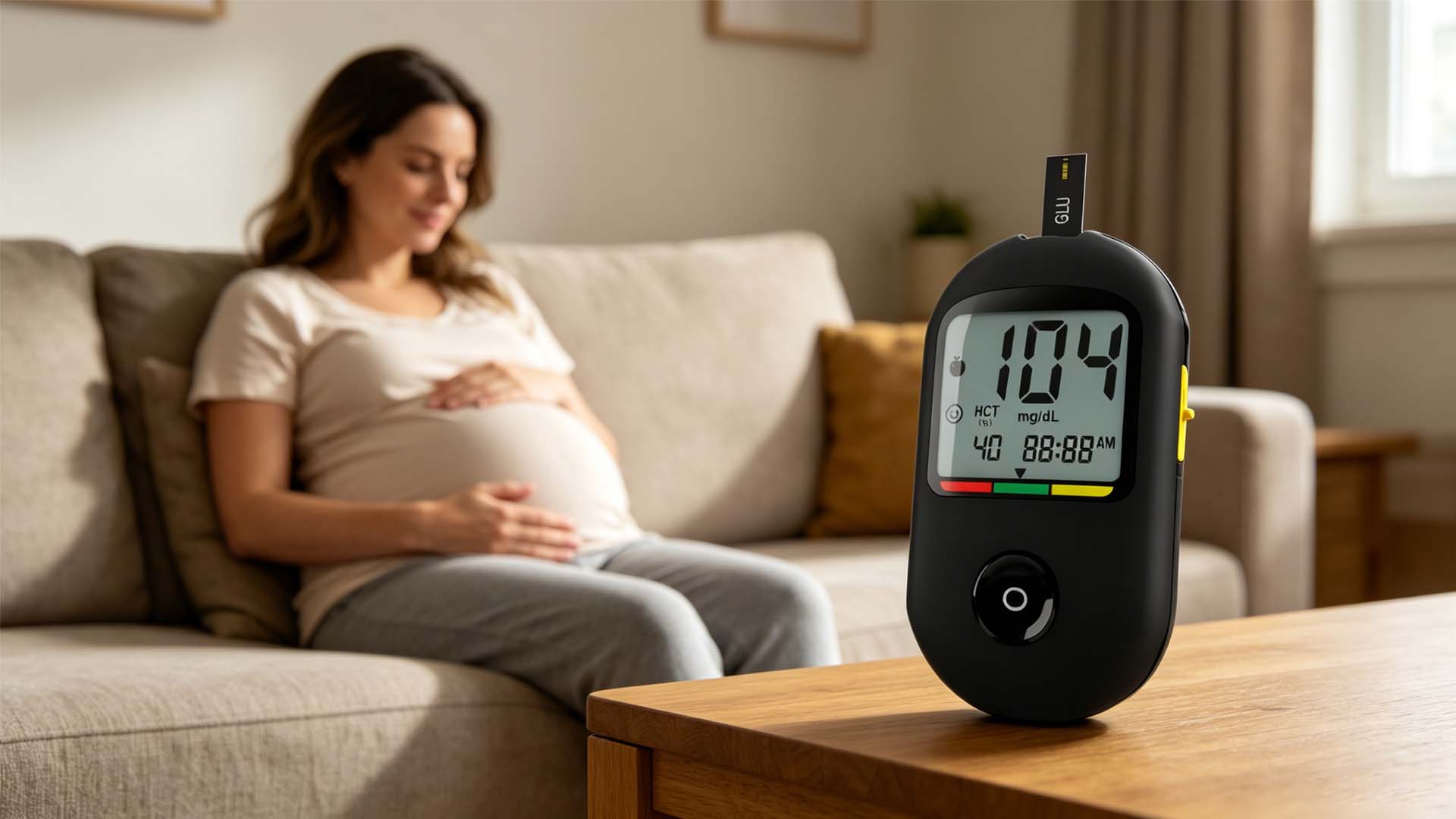
Ii. Home Blood Glucose Monitoring: An Essential Skill for Pregnant Women
Whether it is a GDM or PGDM patient, home monitoring of blood sugar is a key link in managing the condition. The following are scientific monitoring methods and precautions:
1. Monitoring time and frequency
Fasting blood glucose: Measured after getting up in the morning without eating or moving, it reflects the control of blood glucose at night. It is recommended to monitor 2 to 3 times a week.
Postprandial blood glucose: Start timing from the first bite of food and measure it 1 or 2 hours after the meal to assess the impact of diet on blood glucose. GDM patients can focus on monitoring their blood glucose two hours after meals, while PGDM patients need to increase the frequency of monitoring according to the doctor’s advice.
Bedtime blood sugar: Patients using insulin need to monitor their bedtime blood sugar (around 10 p.m.) to prevent hypoglycemia at night.
2. The operation steps should be standardized
Preparations: Select a certified blood glucose meter and the matching test strips. Check the validity period of the test strips and avoid using damp or expired ones. Disinfect your fingertips with soap or alcohol, and then draw blood after they are dry.
Blood collection technique: Select the sides of the ring finger for blood collection (with less nerve distribution and less pain). After the blood collection needle piercles the skin, gently squeeze the sides of the finger to allow the blood to flow out naturally. Avoid excessive squeezing that may cause tissue fluid to mix in and affect the accuracy of the result.
Read the result: Gently touch the blood drop into the test area of the test strip and wait for the blood glucose meter to display the result. This usually takes 5 to 30 seconds. Record each blood sugar level, the measurement time and the dietary situation of the current meal to facilitate the doctor’s adjustment of the treatment plan.
3. Blood sugar control targets
Fasting blood glucose: 3.3-5.3mmol/L
One-hour postprandial blood glucose: ≤7.8mmol/L
2-hour postprandial blood glucose: ≤6.7mmol/L
Bedtime blood glucose: 4.4-6.7mmol/L
4. Precautions
Regularly calibrate the blood glucose meter: You can compare it with the venous blood glucose results at the hospital to ensure the accuracy of the blood glucose monitor.
Avoid interfering factors: Avoid strenuous exercise and emotional excitement before blood collection. Do not collect blood from the arm on the infusion side.
Abnormal situation handling: If blood sugar remains consistently above or below the normal range, or if hypoglycemic symptoms such as dizziness, palpitations, and sweating occur, medical attention should be sought promptly.
Iii. Blood Sugar Management during Pregnancy: Multi-dimensional Protection of Health
In addition to monitoring blood sugar, pregnant women also need to manage comprehensively from aspects such as diet, exercise and psychology
Dietary control: Follow the principles of low sugar, low fat, and high fiber. Choose whole grains and legumes as staple foods, consume more green leafy vegetables, and take in an appropriate amount of protein (such as fish, lean meat, and soy products). Avoid high-sugar fruits and refined sweet foods.
Moderate exercise: Engage in about 30 minutes of gentle exercise every day, such as walking or prenatal yoga, and avoid intense exercise and exercising on an empty stomach.
Regular prenatal check-ups: Closely monitor the growth and development of the fetus. Through B-ultrasound, fetal heart rate monitoring and other examinations, abnormalities can be detected in a timely manner.
Psychological adjustment: Maintain an optimistic attitude and avoid excessive anxiety. The support and company of family members also have a positive effect on blood sugar control.
In conclusion, although both GDM and PGDM involve abnormal blood sugar levels during pregnancy, there are significant differences in their pathogenesis and management methods. Pregnant women should attach great importance to blood sugar screening during pregnancy. Once diagnosed, they should actively cooperate with doctors for scientific management. Through standardized home monitoring and a healthy lifestyle, they can smoothly get through the pregnancy and welcome the arrival of a healthy baby.
Post time: Jun-22-2026