

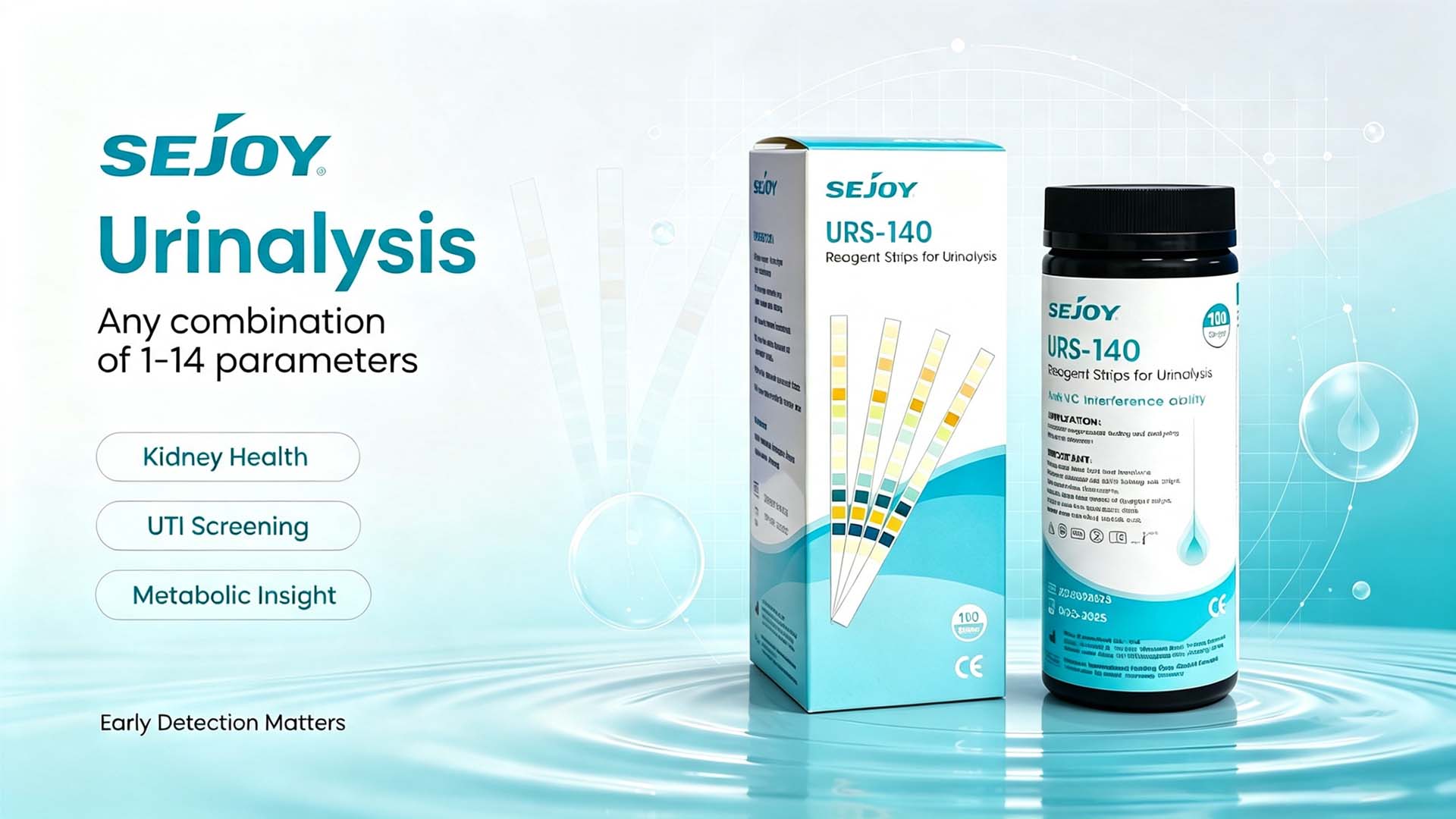
When you visit a doctor for a routine checkup or to address specific health concerns, one of the most common tests you’ll undergo is a urinalysis. Sejoy’s 14-item urinalysis test provides a comprehensive snapshot of your health, analyzing various components in your urine to detect potential issues early. Let’s break down each of the 14 parameters and their clinical significance.
Bilirubin and Urobilinogen: Liver Function Indicators
Bilirubin is a waste product produced by the breakdown of red blood cells. Normally, it’s processed by the liver and excreted in bile. If bilirubin is present in your urine, it may indicate liver disease, such as hepatitis or cirrhosis, or a blockage in the bile ducts. Urobilinogen, on the other hand, is a byproduct of bilirubin breakdown. Elevated levels may suggest hemolytic anemia, while decreased levels could indicate liver or gallbladder problems.
Ketone and Creatinine: Metabolic and Kidney Function Markers
Ketones are produced when the body breaks down fat for energy instead of glucose. Their presence in urine may indicate uncontrolled diabetes, starvation, or a low-carbohydrate diet. Creatinine is a waste product from muscle metabolism. High levels in urine may suggest dehydration, while low levels could indicate kidney dysfunction. Sejoy urine testing can help monitor these markers to detect metabolic imbalances early.
Blood, Protein, and Micro Albumin: Kidney Health Indicators
The presence of blood in urine, known as hematuria, may indicate urinary tract infections, kidney stones, or even kidney disease. Protein in urine, or proteinuria, is a sign of kidney damage, as the kidneys normally filter protein from the blood. Micro albumin, a type of protein, is an early indicator of kidney damage, especially in people with diabetes or hypertension. Regular Sejoy urine testing can help detect these issues before they progress to more serious conditions.
Nitrite and Leukocytes: Urinary Tract Infection Markers
Nitrite is produced by bacteria in the urinary tract. Its presence in urine may indicate a urinary tract infection (UTI). Leukocytes, or white blood cells, are the body’s defense against infection. Elevated levels in urine suggest inflammation or infection in the urinary tract. Sejoy urine testing can quickly detect these markers, allowing for prompt treatment of UTIs.
Glucose: Diabetes Indicator
Glucose is normally reabsorbed by the kidneys and not present in urine. If glucose is detected, it may indicate diabetes or gestational diabetes. This is an important marker for early detection and management of diabetes.
Specific Gravity, pH, and Ascorbate: Urine Properties and Interferences
Specific gravity measures the concentration of urine. High levels may indicate dehydration, while low levels could suggest overhydration or kidney disease. pH measures the acidity or alkalinity of urine. Abnormal levels may indicate metabolic disorders or kidney stones. Ascorbate, or vitamin C, can interfere with certain urine tests, so its presence is noted to ensure accurate results.
Calcium: Kidney Stone Indicator
Calcium in urine may indicate an increased risk of kidney stones, especially in people with a history of stone formation. Monitoring calcium levels can help prevent future stones through dietary and lifestyle changes.
Why Sejoy Urinalysis Matters
Sejoy’s 14-item urinalysis detector is a powerful tool for early detection of various health conditions, from urinary tract infections to kidney disease and diabetes. By analyzing these parameters, healthcare providers can identify potential issues before they cause symptoms, allowing for early intervention and better outcomes.
Whether you’re undergoing a routine checkup or addressing specific health concerns, Sejoy urine testing provides valuable insights into your overall health. By understanding the clinical significance of each parameter, you can take a more active role in your healthcare and make informed decisions about your well-being.
Post time: Aug-25-2026