

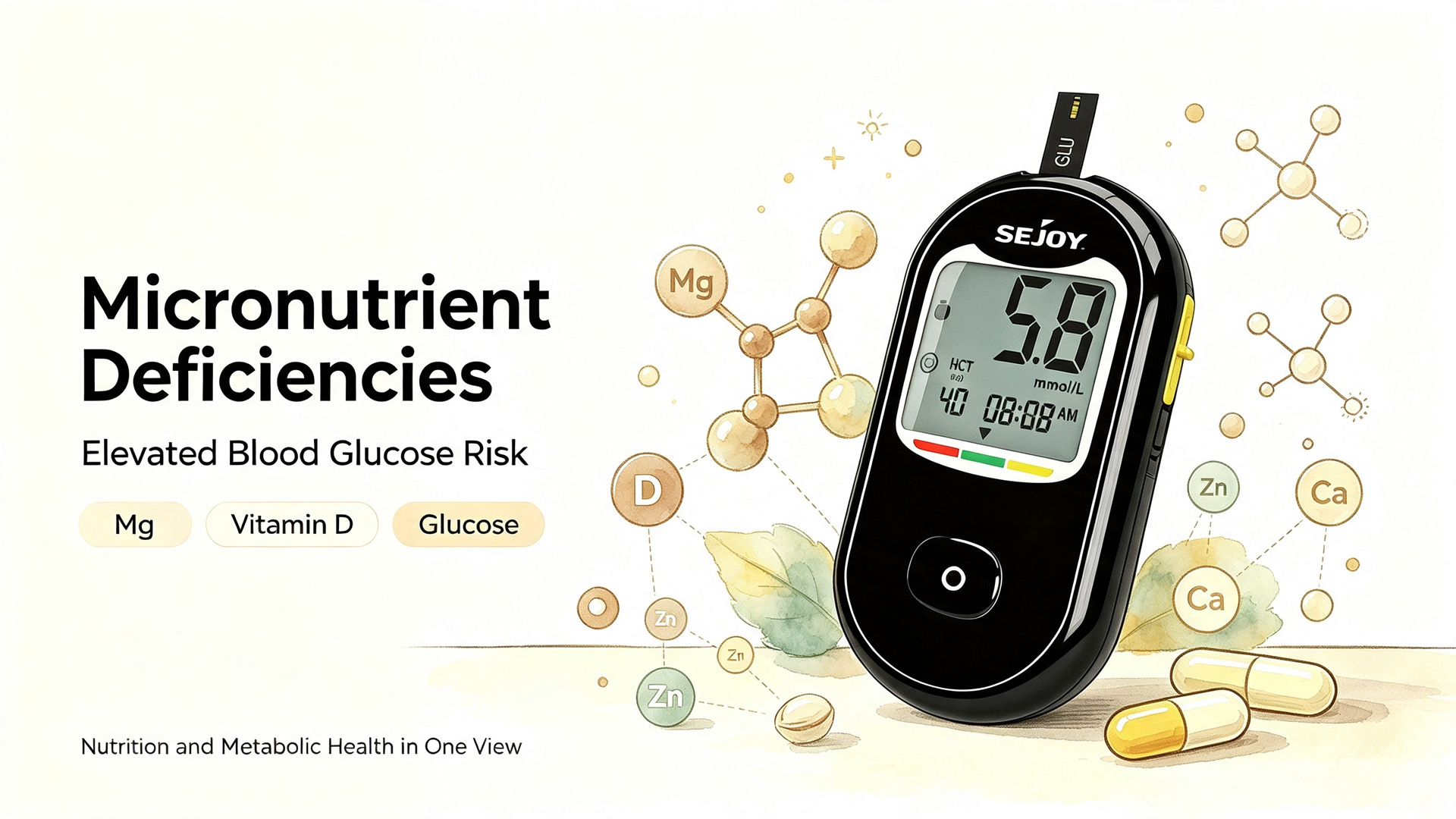
In an era where chronic diseases like diabetes are reaching epidemic proportions, understanding the intricate relationship between nutrition and metabolic health has never been more critical. While factors like genetics, obesity, and sedentary lifestyles often take center stage in discussions about diabetes risk, emerging research is shedding light on the profound impact of micronutrient deficiencies, particularly long-term shortages of magnesium and vitamin D. For individuals monitoring their health, a glucometer serves as an essential tool for tracking blood glucose levels, but it only reveals part of the story. Behind the numbers lies a complex interplay of nutrients that directly influence how the body produces and responds to insulin—the hormone responsible for regulating blood Glucose.
Magnesium, often overlooked in mainstream nutrition advice, plays a pivotal role in over 300 enzymatic reactions in the human body, including those critical for insulin synthesis and glucose metabolism. When magnesium levels are chronically low, pancreatic beta cells struggle to secrete adequate insulin, while cells throughout the body become less responsive to the hormone’s signals. This dual effect creates a perfect storm for elevated blood Glucose: insufficient insulin production combined with insulin resistance. Studies have shown that individuals with magnesium deficiencies are up to 40% more likely to develop type 2 diabetes compared to those with adequate levels. For those already managing the condition, low magnesium can exacerbate blood Glucose fluctuations, making it harder to achieve stable readings even with medication and lifestyle changes. Regular use of a blood glucose analyzer can help identify these patterns, but addressing the root cause requires targeted nutritional interventions.
Vitamin D, another nutrient often associated primarily with bone health, also exerts significant influence over glucose regulation. Research indicates that vitamin D receptors are present on pancreatic beta cells, where the hormone enhances insulin secretion and improves beta cell function. Additionally, vitamin D helps reduce systemic inflammation—a key driver of insulin resistance—and supports the health of insulin-sensitive tissues like muscle and fat cells. A growing body of evidence links vitamin D deficiency to an increased risk of type 2 diabetes, with some studies showing a 50% higher incidence in individuals with the lowest vitamin D levels. For those already living with diabetes, correcting vitamin D deficiencies can improve insulin sensitivity and reduce the need for medication in some cases. While a glucometer provides valuable data on immediate blood Glucose levels, pairing this information with regular micronutrient testing can create a more comprehensive picture of metabolic health.
The good news is that addressing these deficiencies is often straightforward and accessible. For magnesium, incorporating magnesium-rich foods like leafy green vegetables, nuts, seeds, and whole grains into the diet can help boost levels. In cases of severe deficiency, supplements may be necessary under medical supervision. For vitamin D, safe sun exposure (10-15 minutes daily, depending on skin tone and geographic location) is the most natural source, but dietary sources like fatty fish, fortified dairy products, and supplements can also play a crucial role, especially in regions with limited sunlight. By prioritizing these nutrients, individuals can not only reduce their risk of developing diabetes but also improve overall metabolic function and quality of life.
In conclusion, while blood glucose monitor remains an indispensable tool for monitoring blood Glucose, it’s important to recognize that numbers on a screen are influenced by a multitude of factors—including the often-overlooked role of micronutrients like magnesium and vitamin D. Long-term deficiencies in these nutrients can disrupt insulin synthesis and action, significantly increasing the risk of high blood Glucose and type 2 diabetes. By understanding these connections and taking proactive steps to maintain adequate nutrient levels, individuals can empower themselves to take control of their metabolic health and reduce their risk of chronic disease. As research continues to uncover the complex relationships between nutrition and health, one thing remains clear: optimal health requires a holistic approach that considers both the macronutrients and micronutrients that fuel our bodies.
Post time: Sep-18-2026