

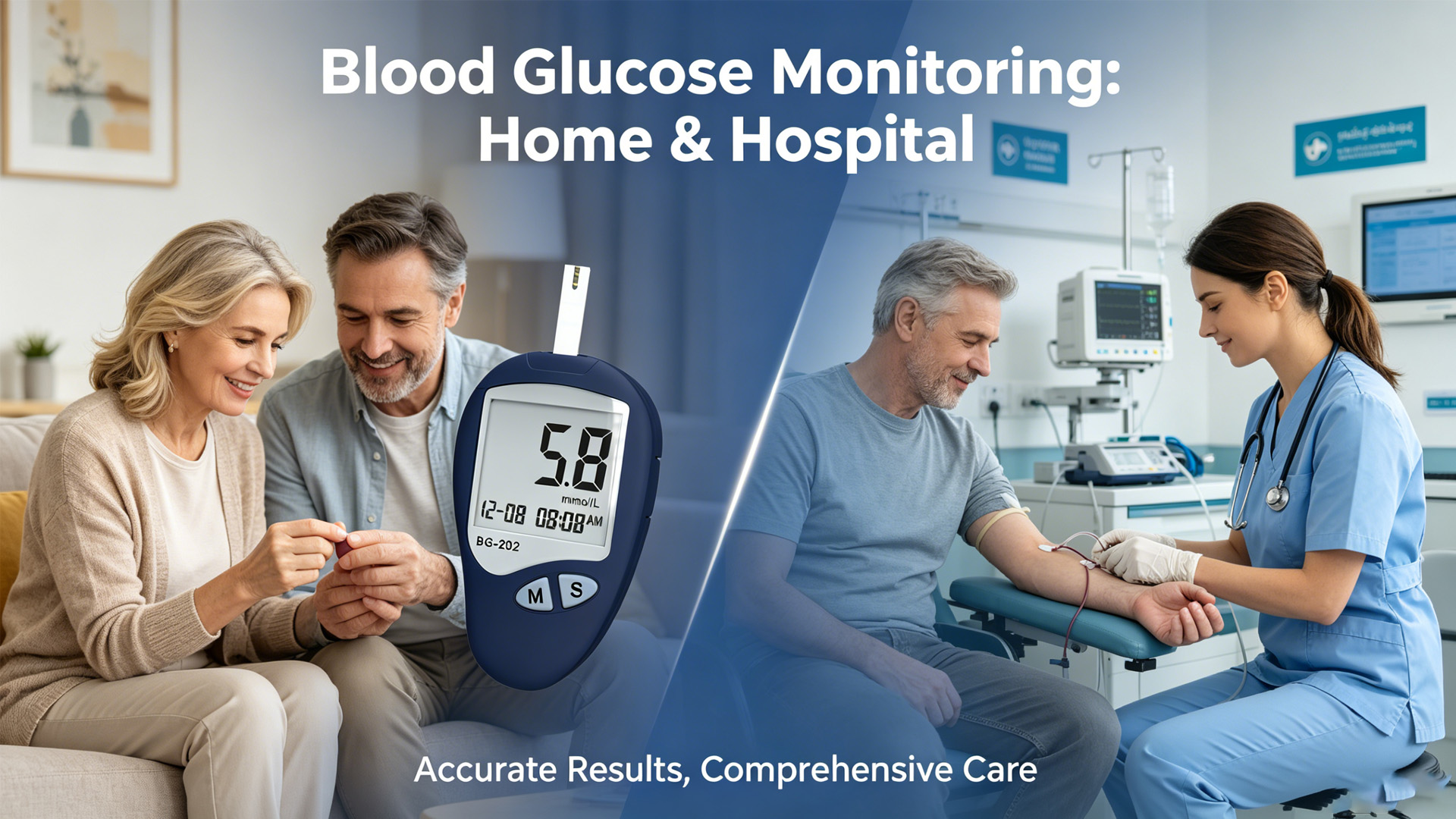
For thousands of diabetic patients, monitoring blood glucose has become a daily “compulsory course”: many people have a blood glucose meter at home to keep track of blood glucose changes. However, when they go to the hospital for a review, they are often confused by the different results – it is obvious that they have only used the blood glucose meter to measure it not long ago, but how come the value is so different after changing the place? Is it because the blood glucose meter at home is inaccurate, or is there something wrong with the hospital test? In fact, most of the differences between the two are normal situations, and there are several reasons behind them that are easily overlooked.
First of all, the core difference comes from the different types of test samples. Blood glucose measurement in hospitals routinely collects venous blood, which detects “venous plasma glucose” from which blood cells have been separated; while home blood glucose meters collect capillary whole blood from the fingertips, which contains red blood cells and other blood cell components. Generally speaking, in the fasting state, the glucose concentration of capillary whole blood will be about 10% to 15% lower than that of venous plasma, with a difference of about 0.5 to 1.0mmol/L. This difference itself is caused by the characteristics of the sample and is not an inaccurate blood glucose meter. After a meal, the whole body blood glucose will rise, and the results of the two will be relatively close. Even the value measured by the fingertip blood glucose meter will be slightly higher than the venous blood glucose, which is within the normal range.
Secondly, the influence of operation and test strips is the main reason for the detection deviation of home blood glucose meters. Many people have more or less irregularities when measuring blood glucose with a home blood glucose meter: for example, they do not wash their hands before measuring blood glucose, and residual fruit glucose and snack debris on their hands will contaminate the blood collection point, causing the blood glucose meter to measure a high result. For example, excessive squeezing of the fingertips in order to squeeze out blood will mix a large amount of tissue fluid into the blood, diluting the sample and causing the blood glucose meter to read low. In addition, blood glucose meter test paper needs to be stored in a dry and cool place. If the test paper is left damp for a long time after opening, exceeds the shelf life, or is stored in an environment with an excessive temperature difference, the test paper will become ineffective and cause deviations in blood glucose meter results.
In addition, the difference in testing time and physical condition will also affect the difference in results between the blood glucose monitor and the hospital test. Many people are used to using a blood glucose meter to measure fasting blood glucose immediately after getting up at home. However, when they go to the hospital, they are delayed for an hour or two because of registration and queuing. Long-term fasting itself will cause blood glucose fluctuations. Some people will be unconsciously nervous when they go to the hospital. Sympathetic nerve excitement will stimulate blood glucose to rise. Naturally, the results measured by a blood glucose meter are different from those measured by a blood glucose meter when they are relaxed at home.
Of course, as long as it is a regular and qualified home blood glucose meter, the error is within the allowable range of national standards. There is no need to blindly question the accuracy of the blood glucose meter just because of a small difference. If you want to reduce the difference between the two, you only need to do the following: purchase a regular brand of blood glucose meter, and calibrate the blood glucose meter regularly as directed by your doctor; wash your hands before testing, and do not over-squeeze the blood when collecting blood; be sure to keep the test paper sealed and replace it when it expires.
Generally speaking, home blood glucose meters are more suitable for daily long-term monitoring of blood glucose changes, making it easier to observe one’s own blood glucose fluctuation trends, while hospital intravenous testing is more suitable as a basis for diagnosis and regular calibration. Both perform their own duties. People with diabetes do not need to be overly anxious because of the different values between blood glucose meters and hospital testing. As long as they scientifically monitor and adjust their glucose control plan under the guidance of a doctor, they can control their blood glucose well.
Post time: Jul-02-2026