

For people living with diabetes, blood glucose management is often the primary focus of daily care. However, regular lipid testing is equally crucial, yet many patients wonder: “My blood glucose is well-controlled, so why do I need to check my lipids every time I visit the doctor?” In reality, lipid management is an indispensable part of diabetes care, directly impacting long-term health and life expectancy.
A reliable blood glucose meter is an essential tool for daily blood glucose monitoring, but it cannot reveal the hidden threats that abnormal lipids pose to blood vessels. Diabetes is medically recognized as a “coronary heart disease equivalent,” meaning patients face the same cardiovascular risk as those with established heart disease. Shockingly, approximately 70% of diabetes-related deaths stem from cardiovascular complications rather than high blood glucose itself. This is because chronic hyperglycemia damages the inner lining of blood vessels, making them rough and vulnerable. When combined with dyslipidemia—especially elevated low-density lipoprotein cholesterol (LDL-C, or “bad cholesterol”)—fatty deposits accumulate on the damaged vessel walls, forming atherosclerotic plaques that can eventually block blood flow and trigger heart attacks or strokes.
Clinical data shows that diabetics have a 2-4 times higher risk of cardiovascular disease than non-diabetics, and abnormal lipids significantly amplify this risk. For every 1.0 mmol/L increase in LDL-C levels, the risk of coronary events in type 2 diabetes patients rises by 57%. Therefore, relying solely on a blood glucose meter to monitor blood glucose is insufficient; simultaneous lipid management is essential to halt vascular damage progression.
Diabetics face stricter lipid control targets than the general population. While an LDL-C level below 3.4 mmol/L is considered normal for healthy individuals, diabetics without cardiovascular history need to maintain LDL-C below 2.6 mmol/L. For those with existing heart disease or stroke, the target drops to below 1.8 mmol/L, or even 1.4 mmol/L in high-risk cases. This stricter standard reflects the increased vulnerability of diabetic blood vessels to cholesterol buildup, requiring lower levels to prevent plaque formation.
Beyond LDL-C, triglycerides (TG) also demand attention. Hyperglycemia and high-fat diets can elevate triglyceride levels, and readings exceeding 5.6 mmol/L pose a risk of acute pancreatitis—a life-threatening condition. Additionally, lipoprotein(a), an independent cardiovascular risk factor, should be tested at least once in diabetics. Elevated levels indicate increased risk even when LDL-C is within target range. Lipid test requires long-term commitment, starting with lifestyle modifications such as low-fat diets, regular exercise, weight control, and avoiding tobacco and excessive alcohol. Most patients will also need statin medications to lower LDL-C, with combination therapies like ezetimibe or PCSK9 inhibitors added when necessary. During treatment, regular follow-ups with lipid tests and liver function assessments help adjust treatment plans effectively.
In conclusion, diabetes management is a comprehensive endeavor that requires balancing both blood glucose and lipid control. A blood glucose meter helps track daily glucose fluctuations, while lipid testing safeguards vascular health. Only by addressing both aspects can diabetics minimize cardiovascular risks, extend lifespan, and improve quality of life. Next time you’re asked to take a lipid test during a check-up, remember it’s a vital part of your care plan. Embrace these tests as opportunities to work with your healthcare team toward a healthier future.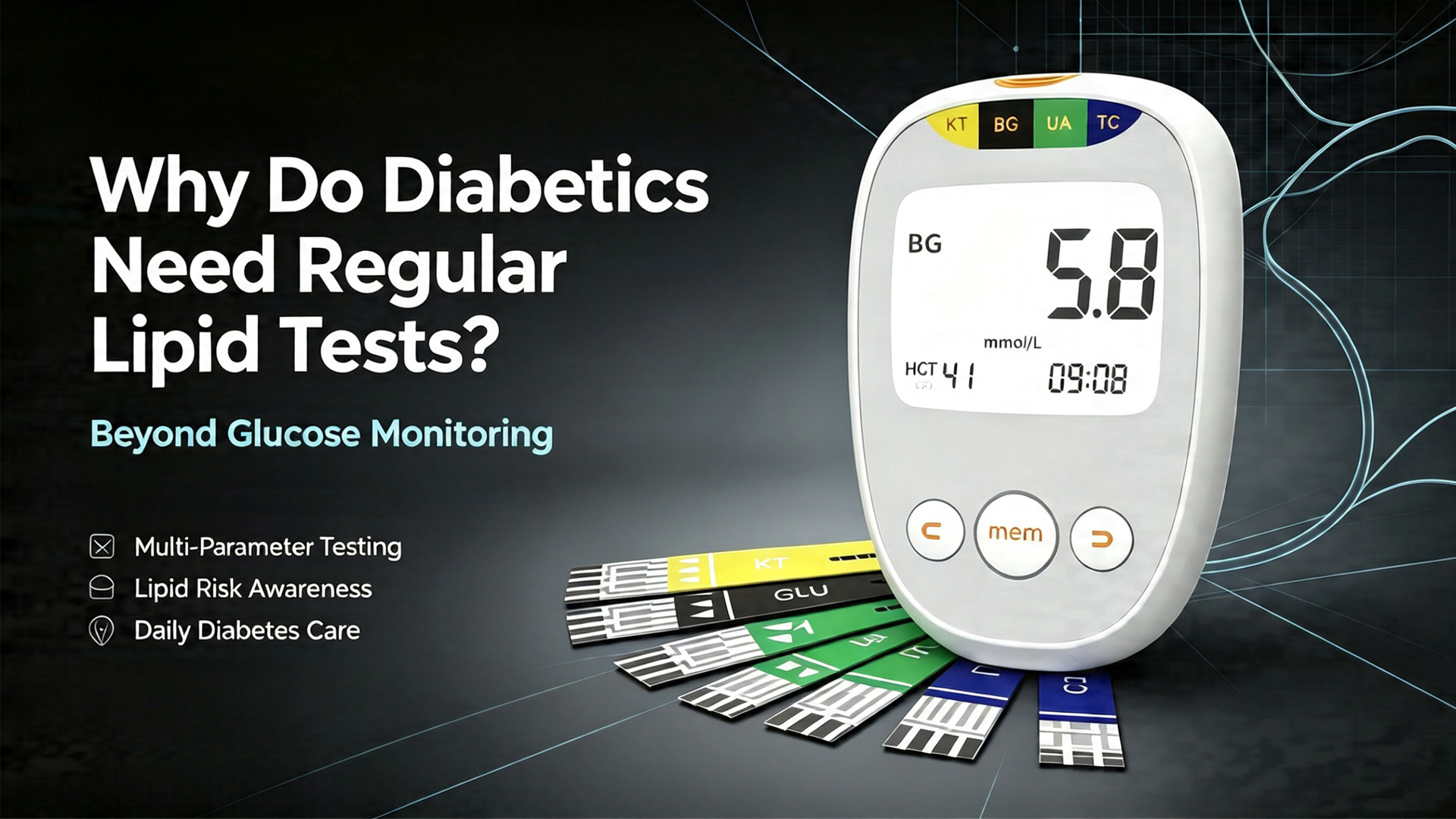
Post time: Jul-18-2026