

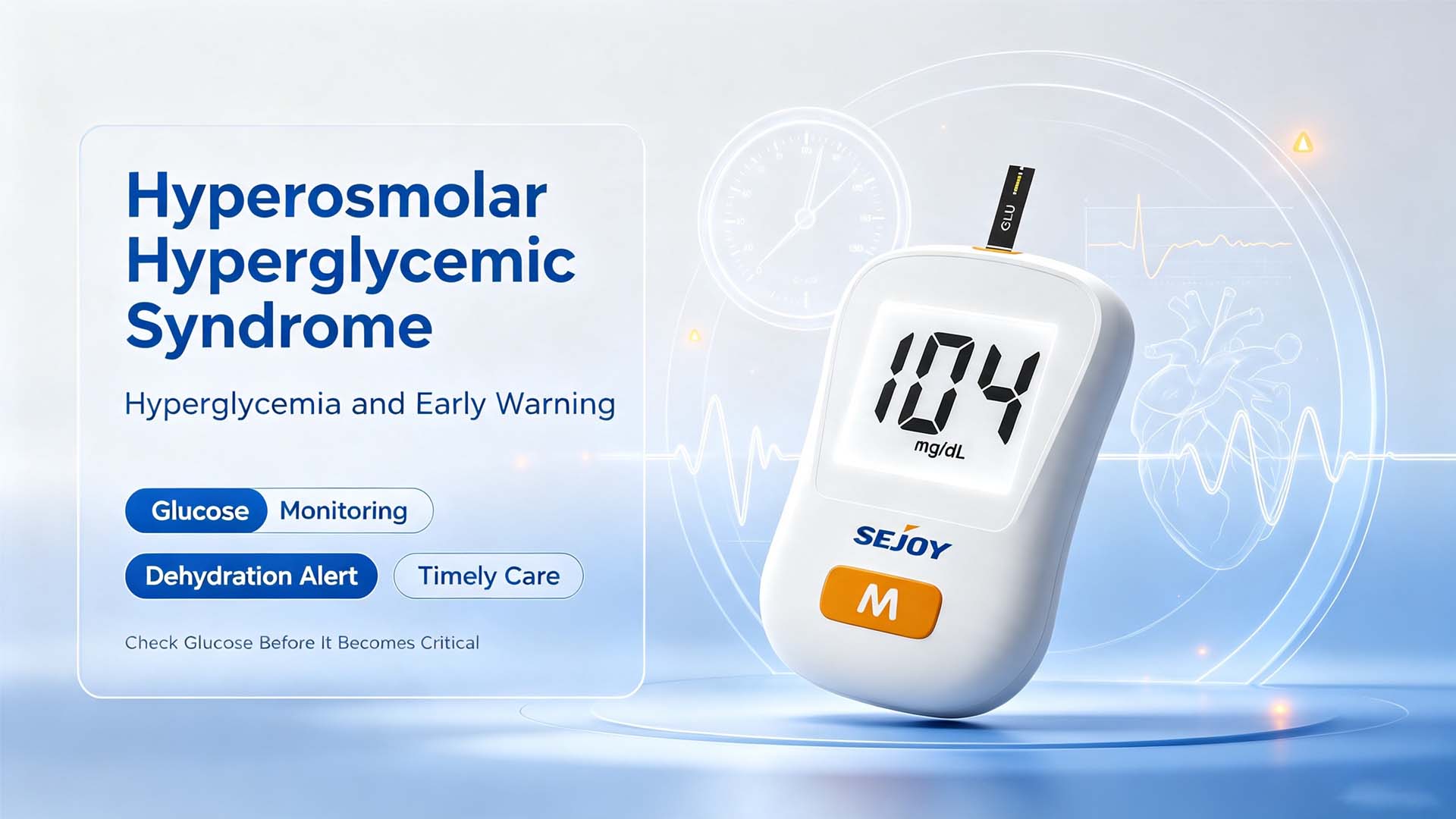
Hyperosmolar Hyperglycemic Syndrome (HHS) is a severe, life-threatening complication of diabetes characterized by extremely high blood glucose levels, profound dehydration, and elevated plasma osmolarity, with little to no ketone production. Unlike Diabetic Ketoacidosis (DKA), which often develops rapidly, HHS typically progresses over days to weeks, making it easy to overlook until it reaches a critical stage. For individuals living with diabetes, especially older adults with Type 2 diabetes, regular monitoring with a glucose meter is essential for early detection of hyperglycemia, which can help prevent the onset of this dangerous condition. HHS carries a mortality rate of 15-20%, significantly higher than DKA, underscoring the importance of proactive management and timely intervention.
The development of HHS is closely linked to sustained hyperglycemia, which triggers a cascade of physiological changes that can quickly become life-threatening. When blood glucose levels rise above 33.3 mmol/L (600 mg/dL), the kidneys are unable to reabsorb all the excess glucose, leading to osmotic diuresis. This process causes the body to lose large amounts of water and electrolytes, including sodium, potassium, and chloride, through urine. As dehydration worsens, blood volume decreases, and blood becomes more concentrated, further elevating plasma osmolarity. This creates a vicious cycle: higher blood glucose leads to more dehydration, which in turn reduces the kidneys’ ability to excrete glucose, causing blood glucose levels to rise even more. Unlike in DKA, individuals with HHS typically have enough insulin to prevent significant fat breakdown and ketone production, which is why they do not develop acidosis. However, the extreme hyperosmolarity can cause severe damage to the brain and other organs, leading to symptoms such as confusion, seizures, and coma. Regular monitoring with a glucose meter can help identify rising blood glucose levels before they reach dangerous thresholds, allowing individuals to adjust their treatment plans, increase fluid intake, or seek medical attention as needed. Studies show that maintaining blood glucose levels within the target range can reduce the risk of HHS by up to 70% in at-risk individuals.
Preventing HHS requires a combination of diligent self-care, regular medical follow-ups, and prompt attention to warning signs. Individuals with diabetes should adhere to their prescribed treatment regimens, including taking oral medications or insulin as directed, and follow a balanced diet that limits glucose and refined carbohydrates. Staying hydrated is particularly important, especially for older adults who may have a reduced sense of thirst. It is also crucial to be aware of the common triggers of HHS, such as infections, certain medications (e.g., corticosteroids, diuretics), and stressful events like surgery or heart attacks. If any of these triggers occur, individuals should monitor their blood glucose levels more frequently and contact their healthcare provider if they notice a significant increase. In addition to regular monitoring with a blood glucose testing, individuals should also be familiar with the early symptoms of HHS, which include excessive thirst, frequent urination, dry mouth, fatigue, and confusion. If these symptoms occur, it is important to seek immediate medical attention, as HHS requires emergency treatment with intravenous fluids, electrolytes, and insulin to correct dehydration and normalize blood glucose levels.
In conclusion, Hyperosmolar Hyperglycemic Syndrome is a serious and potentially fatal complication of diabetes that is closely linked to uncontrolled hyperglycemia. While HHS is less common than DKA, it carries a higher mortality rate, making early detection and intervention critical. Regular monitoring with a diabetes blood glucose meter, adherence to treatment plans, and prompt attention to warning signs are essential for preventing HHS and reducing its associated risks. By taking proactive steps to manage their diabetes and stay vigilant for signs of trouble, individuals can protect their health and avoid the life-threatening consequences of this silent but deadly condition. Remember, when it comes to HHS, prevention is always better than cure—and a simple glucose meter check could be the difference between a manageable health issue and a medical emergency.
Post time: Sep-06-2026